


Business Feb 2, 2023
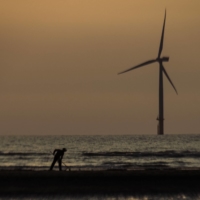
Asia faces shortage of ships to install massive offshore wind farms
The situation is only going to get worse as blades get longer and require bigger ships to handle them.
The situation is only going to get worse as blades get longer and require bigger ships to handle them.
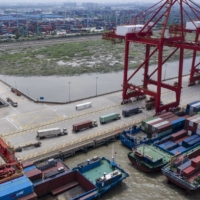
Traffic into the city is picking up, with some logistics experts seeing activity returning to about 80% of levels seen before Shanghai’s COVID-19 lockdowns.
Beijing’s zero-tolerance approach amid an escalating virus outbreak brings the pandemic full circle, more than two years after its emergence in Wuhan upended the global economy.
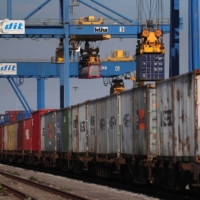
Exporters and logistics firms transporting auto parts, cars, laptops and smartphones are now looking to avoid land routes that pass through Russia or the combat zone.
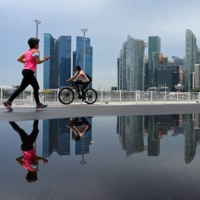
The city-state doesn't have enough space for large solar installations, there are no major rivers for hydropower and the wind isn’t sufficient to push a turbine.
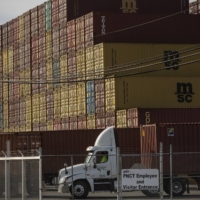
The transport industry is bracing for another roller coaster year of supply-chain disruptions as seafarers refuse to get back on ships and truck drivers quit over COVID-19 concerns.
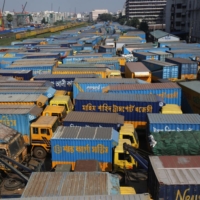
Protests are intensifying as the diesel shortage worsens, putting pressure on prices that have already risen 64% this year.
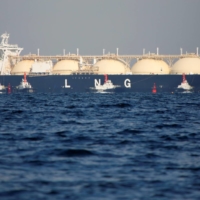
Japanese utilities are stepping in to help ease China’s fuel crisis, selling excess LNG at sky-high prices as Beijing orders its top energy companies to secure supplies at all costs.
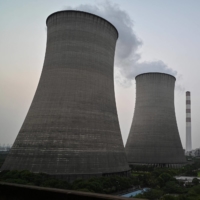
The dirtiest fossil fuel, which was struggling against cleaner energy sources, is now seeing its biggest comeback ever, complicating climate talks just weeks away.
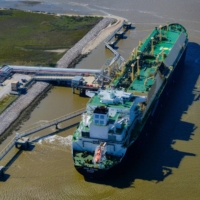
With few other options, the world is expected to depend more on cleaner-burning gas as a replacement to coal to help achieve near-term green goals.