



Business Jul 8, 2023
One reason the U.S. can’t quit China? Chips.
Global semiconductor companies are finding themselves in an extremely tricky position as they try to straddle a growing rift between the United States and China.
Global semiconductor companies are finding themselves in an extremely tricky position as they try to straddle a growing rift between the United States and China.

Foreign businesses, a top Chinese official said in March, “are not foreigners, but family.” Then came a crackdown on firms with foreign ties.

Moscow blocks most shipments from Ukraine, one of the world’s largest wheat producers, and its attacks on the country’s energy grid also disrupt the flow of food.
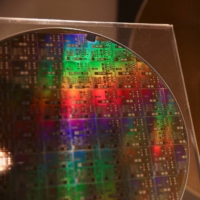
The Biden administration is expected to announce new measures to restrict Chinese companies from getting access to technologies that enable high-performance computing.
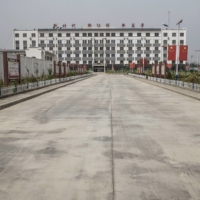
The previously unreported connection between critical minerals and forced labor in Xinjiang could prove trouble for industries like the global auto sector, which relies heavily on China.

While the technology made by American and European companies has been turned against Ukraine, the situation has also given the U.S. and its allies a source of leverage against Russia.

Human rights activists, labor leaders and others have urged the U.S. to put its weight behind a coming ban on products made with forced labor in the Xinjiang region.

When the Cold War ended, there was a belief that stronger global economic ties would lead to greater stability. But now the world is moving in the opposite direction.

Russia’s military incursion is severing key supply chains and setting off a scramble among global companies to comply with new sanctions.
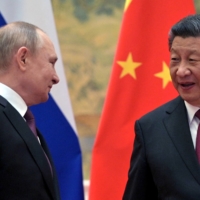
As Russia wreaks havoc in Ukraine, Moscow has a powerful economic ally to help it resist Western sanctions: China.