


Commentary / World Aug 14, 2022
The Group of 20 in an age of war
From a demographic perspective, the G20 is a much more legitimate grouping — in terms of representing a diverse, complex world — than the G7.
From a demographic perspective, the G20 is a much more legitimate grouping — in terms of representing a diverse, complex world — than the G7.
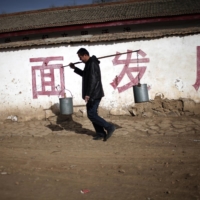
To improve the quality of life, we need to expand access to high-quality services — including water, energy, transport and internet — even to far-flung rural areas.
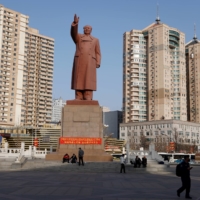
In recent years, China’s “great transformation” into the world’s largest economy has become enmeshed in a deepening confrontation with the U.S. and the wider West.
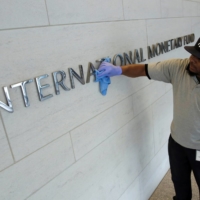
With the U.S. dollar being weaponized through sanctions, it is clear that the current system is far from neutral — or sustainable.

With its “dual-circulation strategy,” China is focusing on increasing self-reliance and thus its ability to withstand external pressures and disruptions.

In responding to the pandemic, policymakers have faced an awful dilemma: keep the economy open and risk more COVID-19 deaths, or impose lockdowns and destroy livelihoods.
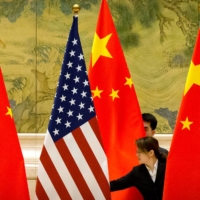
Unlike the U.S., China is not initiating futile arms races, which will increase environmental damage and divert funding away from climate change mitigation efforts.

Without a new approach to crisis solving that captures the true complexity of our world, we will continue to be blindsided by systemic failures.
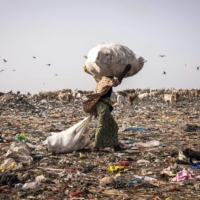
If we do not abandon the “take-make-waste” consumption pattern by 2050, we will need the equivalent of almost three Earths to provide enough natural resources to sustain current lifestyles.
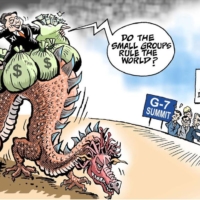
In today’s world, attempting to “contain and confront” those with different values or systems, rather than negotiating a new global compact that accommodates them, is a recipe for conflict.