



World Jan 9, 2022
Will ‘forever boosting’ beat the coronavirus?
Everyone should get a booster shot. In the long run, though, doses every few months aren’t a viable public health strategy, scientists say.
Everyone should get a booster shot. In the long run, though, doses every few months aren’t a viable public health strategy, scientists say.

A “Frankenstein mix” of mutations raises concerns, but the variant may remain vulnerable to current vaccines. If not, revisions will be necessary.
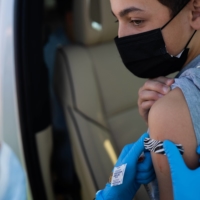
While the vaccines made by Pfizer-BioNTech and Moderna do seem to be associated with an increased risk of myocarditis, the absolute risk remains very small.

With the arrival of the contagious delta variant, COVID-19 hospitalizations and deaths among vaccinated Americans also may have increased, according to preliminary figures.

The variant, first identified in India, is believed to be about 60% more contagious than alpha, the version of the virus that thrashed Britain and much of Europe earlier this year.

The findings add to growing evidence that most people immunized with mRNA vaccines may not need boosters, so long as the virus and its variants do not evolve much.

The findings may help put to rest lingering fears that protection against the virus will be short-lived.

New variants and persistent hesitancy about vaccines will keep the goal out of reach. The virus is here to stay, but vaccinating the most vulnerable may be enough to restore normalcy.

New studies show that one shot of a vaccine can greatly amplify antibody levels in those who have recovered from the coronavirus.
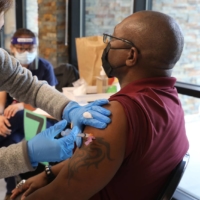
As the coronavirus assumes contagious new forms around the world, two drugmakers reported on Monday that their vaccines, while still effective, offer less protection against one variant and began revising plans to turn back an evolving pathogen that has killed more than 2 million ...