


Commentary / Japan Jun 15, 2021
Actions, not words, will make or break the G7
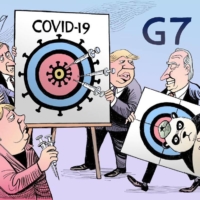
The real measure of the Biden presidency and that of the G7 will be the changes they produce. Here, the evidence is more ambiguous.
The real measure of the Biden presidency and that of the G7 will be the changes they produce. Here, the evidence is more ambiguous.
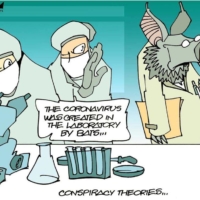
Senior Chinese officials acknowledge their country’s “clear shortcomings” in its high-level biosafety labs in comparison with the U.S. and warned of insufficient operating funds.
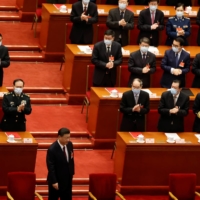
As the Chinese government is telling foreign audiences to purchase Huawei products, it is warning domestic audiences of the dangers of reliance on foreign technology.
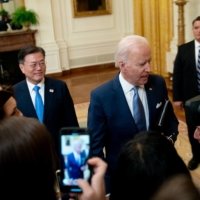
A failure to look beyond the alliance blots what was otherwise a very successful summit and bodes ill for the evolution of this vital security partnership.

There are many potential moonshots, from creating a COVID-19 vaccine to solving global warming. What makes them different is they address extraordinary, if not existential, challenges.
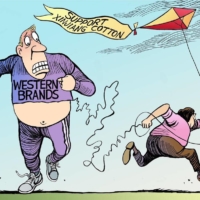
Make no mistake: China is in many important ways a capitalist country; but Chinese capitalism is a very different animal from that practiced in the West.

Sizzling demand in a post-pandemic recovery will encourage the usual bad behaviors that accompany exploding markets: environmental degradation, forced labor and criminal profiteering.
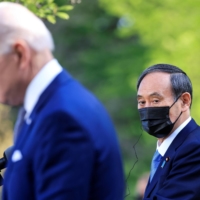
The two governments’ discussion of economic issues is a path to mobilization and cooperation, not contestation (at least between themselves).
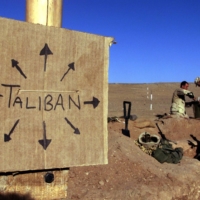
By eliminating a distraction for U.S. decision-makers and ending the drain on their resources, it allows the U.S. to better address real dangers it faces. For many, that is China.
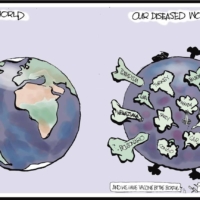
Insight, however, no matter how good, is wasted when policymakers aren’t paying attention — a lesson that the Global Trends report makes painfully clear.