


Commentary / World Apr 27, 2022
The 'Quad' at a crossroads
The Indo-Pacific's four leading democracies can hold as many leaders’ summits as they want, but without a clear strategic vision or agenda, the "Quad" will have little impact.
The Indo-Pacific's four leading democracies can hold as many leaders’ summits as they want, but without a clear strategic vision or agenda, the "Quad" will have little impact.

Rules-based order and economic interdependence has not stopped countries like Russia and China from engaging in relentless expansionism at the expense of their neighbors.
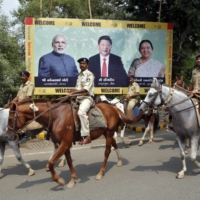
India’s solo struggle to rein in an expansionist China in the icy Himalayan region has helped influence its measured response to the Russian aggression against Ukraine.
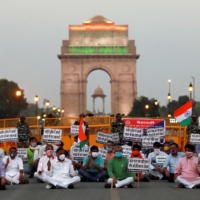
Biden’s Indo-Pacific strategy is essentially an exercise in public diplomacy, while Trump's strategic framework was formulated to advance a policy of a “free and open Indo-Pacific.”
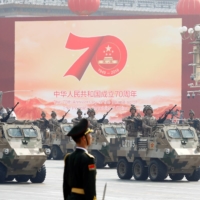
U.S. President Joe Biden is treating a “rogue” Russia as a peer competitor, when he should be focused on the challenge from America’s actual peer, China.

COVID-19 deaths make all the headlines, but what flies under the radar are the increased rates of obesity, unemployment, depression, alcoholism and suicides.
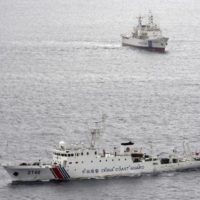
China has become quite adept at waging “lawfare” — the misuse and abuse of law for political and strategic ends.

Afghanistan accounts for 85% of the global acreage under opium cultivation, making the Taliban the world’s largest drug cartel.
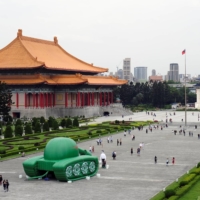
Beyond compromising freedom of navigation in a crucial region, a Chinese takeover of Taiwan would upend the balance of power in the Indo-Pacific.
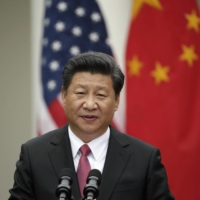
Biden's actions appear out of step with reality given that an ambitious China is actively working to supplant the U.S. as the world’s preeminent power while waging a cold war against it.