


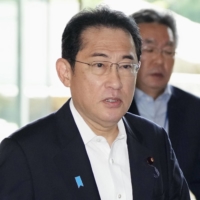
National / Politics | ANALYSIS Jun 16, 2023
Why Kishida hasn't decided to call a snap election — yet
The decision came as a surprise in the political center of Nagatacho, with many left wondering about the rationale behind his decision.
The decision came as a surprise in the political center of Nagatacho, with many left wondering about the rationale behind his decision.
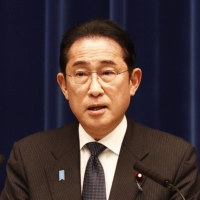
His government, Kishida said, will focus on moving forward with its current priorities, which include encouraging wage growth and investing in digital and green technologies.
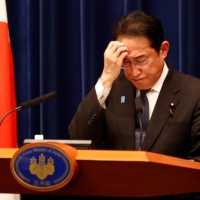
Kishida's evasive response to a question about a snap election raised the possibility that he may have shifted gears on the issue.
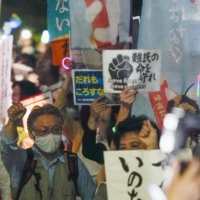
The law, which has prompted widespread debate, seeks to address perceived drawbacks of Japan’s existing legislation and standard handling of asylum matters.
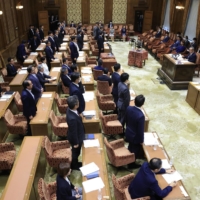
Discussions took place at an unusual speed, with the committee approving the proposal after only a few hours of debate.
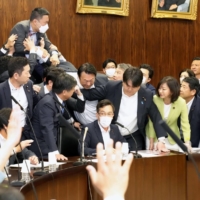
The bill has drawn considerable attention in the political hub of Nagatacho as left-wing opposition forces launched an extensive campaign to block the approval of the bill.
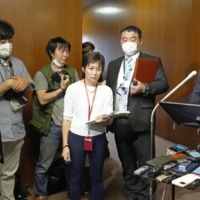
The motion against Justice Minister Ken Saito reflects an increasingly confrontational posture toward Japan's ruling coalition.
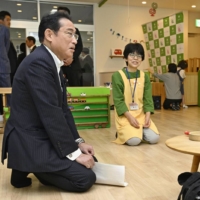
With a snap election possibly on the horizon, the government is seen as being unwilling to upset voters by increasing the burden on taxpayers.

The passage of the bill, which extends the operating period to over 60 years, paves the way for an overhaul of the country's nuclear policy.
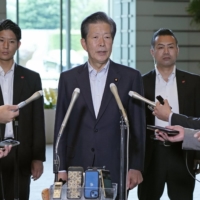
While still at loggerheads over the candidate for Tokyo’s 28th district, the LDP no longer intends to field contenders in Saitama’s 14th district and Aichi’s 16th in a possible snap poll.