


Commentary / World Jun 19, 2023
COVID-19 was a natural experiment for climate policy
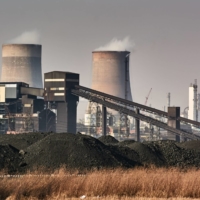
When fossil-fuel demand declines only in some countries, supply does not fall because other parts of the world will absorb the unused fuel at lower prices.
When fossil-fuel demand declines only in some countries, supply does not fall because other parts of the world will absorb the unused fuel at lower prices.

Mark-to-market accounting standards turned the banking system into a playground for gamblers, fueling instability while adding little economic value.
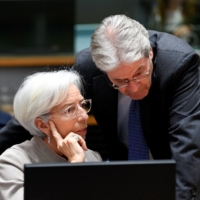
By continuing to issue common bonds to finance its expenditures, the European Commission is harming savers and undermining the creditworthiness of national governments.
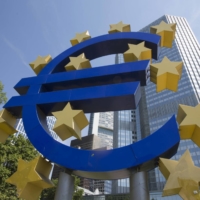
The Keynesian demand policy to stimulate economic activity will merely fuel inflation, for which the ECB will rightly be blamed if it keeps buying government bonds.

The disruption to this year’s harvest because of the Ukraine conflict means that the global food crisis will become even more acute in the fall and winter.
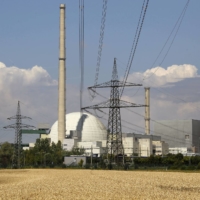
In both the short and the long term, Germany will be unable to end Russian gas imports without triggering economic chaos and public outrage.
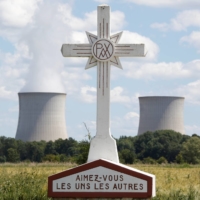
Having emerged from the anti-nuclear movement, today’s European Greens never dreamed that once-ostracized nuclear power would regain respectability as a clean alternative.
Rising inflation does not look to be a just a temporary problem, and supply bottlenecks are not the only cause.
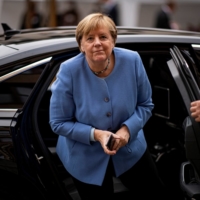
While Angela Merkel pushed the SPD to the left, she vacated so much space on the right that the far-right AfD emerged to take important votes away from the CDU.
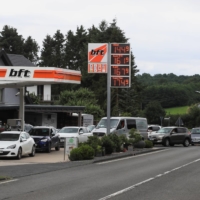
Rarely, except in wartime, have market economies been subjected to the sort of rigid central planning that the European Commission now proposes in order to curb carbon dioxide emissions.