


Commentary / World Apr 6, 2023
The Japan-Philippine-U.S. trilateral alliance in the making
The emergence of new trilateral security groupings in the Indo-Pacific region has been driven by a combination of factors including an aggressive China.
The emergence of new trilateral security groupings in the Indo-Pacific region has been driven by a combination of factors including an aggressive China.
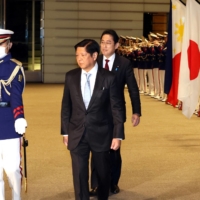
Philippine President Marcos visited Tokyo seeking key partners in the region to play a pivotal role in Manila’s new foreign policy direction.
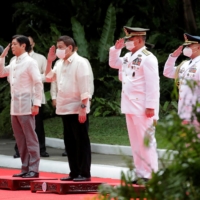
Philippine President Ferdinand Marcos Jr.’s landmark visit to Japan this week is more significant than it first looks.
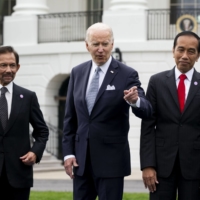
Southeast Asian nations have been playing a key role in mediating tensions between Washington and Beijing.
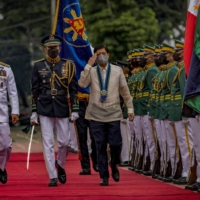
Ferdinand Marcos Jr. appears to be overseeing a major shift in foreign policy, seeking to revitalize Manila's alliance with Washington and others.
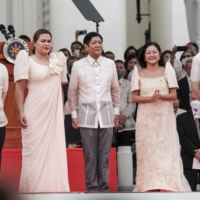
The newly elected president has canceled major projects with China and Russia, while openly welcoming expanded trade and investment ties with the United States.
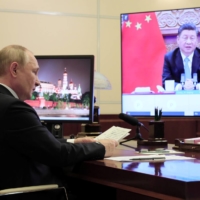
By all indications, even China seems to be reassessing its economic relations with Russia, with Chinese companies and banks refusing to work with Russian companies.
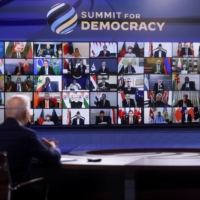
The year 2021 — which saw green shoots of proactive diplomacy — could ultimately prove to be the temporary lull before the geopolitical storm.
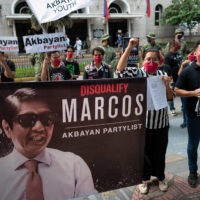
In the Philippines’ strangely frugal electoral system, all Marcos Jr. needs to do to become the next president is to secure the largest share of votes.

Against the backdrop of the debacle in Afghanistan, the incidental timing of the U.S. visits to Southeast Asia also helped soothe lingering anxieties over American commitment to the region.