


Business / Corporate Aug 18, 2022
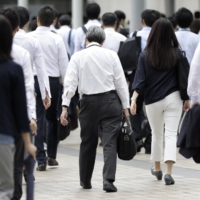
More Japanese firms are raising wages to combat labor shortage
Japanese companies have typically avoided boosting wages because decades of deflation made it difficult to pass on higher costs to consumers.
Japanese companies have typically avoided boosting wages because decades of deflation made it difficult to pass on higher costs to consumers.

Almost three-quarters of firms polled also intend to lift prices of their main goods and services in the latter half of this year.
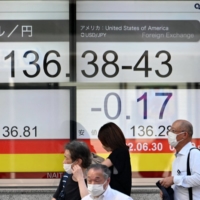
The stance suggests that currency-market intervention is less likely than some investors are expecting.
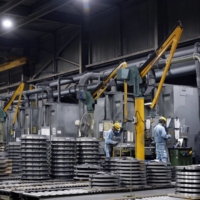
Confidence among big nonmanufacturers improved, a central bank survey showed, suggesting service-sector firms are shaking off the drag from the pandemic.
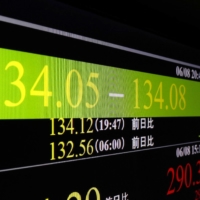
"We have seen sharp yen declines and are concerned about recent currency market moves," the Finance Ministry, BOJ and the Financial Services Agency said in a joint statement.

Firm business expenditure could raise hopes for policymakers counting on cash-rich Japanese corporations to splurge on investment in plants and equipment.

A weak yen — it lost about 11% against the dollar last year — boosted the value of foreign assets held by the Japanese government, businesses and individuals.

This year's rapid slide in the yen to a two-decade low has jacked up prices of fuel and raw materials imports, lifting corporate costs.

A survey also showed almost 60% think the government should move quickly to restart nuclear reactors, evidence that higher energy costs may be changing opinion on nuclear policy.

Big companies expect conditions to worsen further three months ahead, the Bank of Japan's tankan survey showed.