


Business Oct 7, 2022
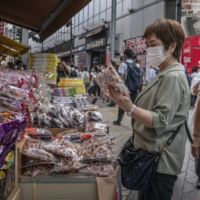
Japan’s households spend less as higher inflation bites
The fastest inflation in more than three decades excluding the impact of tax hikes also threatens to hurt future consumption.
The fastest inflation in more than three decades excluding the impact of tax hikes also threatens to hurt future consumption.
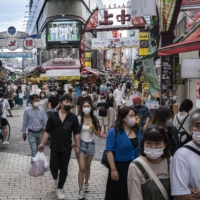
The growth in Tokyo prices was led by gains in processed food and durable goods, with the former jumping the most in 41 years.

The measures will tackle price rises, encourage pay increases and speed up Kishida’s drive to transform capitalism in Japan.
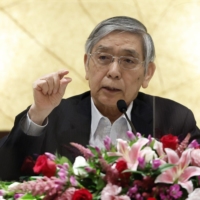
The government’s action last week came almost directly after the BOJ’s ultralow rates stance fueled further yen weakening, triggering doubt over the authorities’ unified stance.
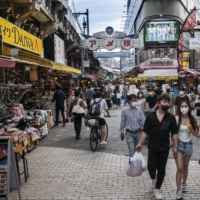
Rising energy and processed food costs continued to account for most of the year-on-year increase, while electricity prices were also higher.

The record trade gap adds to concerns over the strength of Japan’s economic recovery, as higher import bills for energy and food can cool consumption.
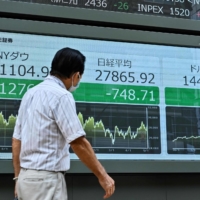
Japan’s currency rose more than 1% to around the ¥143 level against the dollar after falling to ¥144.96 early in the Asian session.
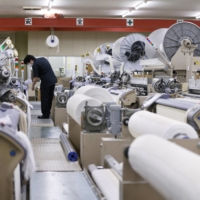
The numbers confirm that the economy regained its pre-pandemic size and is on firmer footing than was seen in the initial reading.
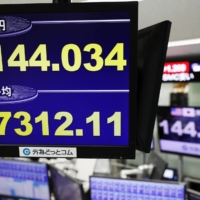
The renewed selloff in U.S. Treasurys this month has widened the yield gap between the U.S. and Japan, pushing the yen to a 24-year low.
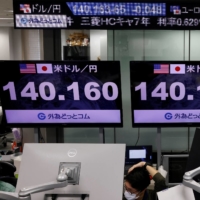
As angst among households and businesses continues to rise over soaring energy and import costs, cracks may begin to emerge in the united front the government and BOJ have so far shown.