


Commentary / World May 29, 2023
The road back to growth in China after COVID-19
Barring a “black swan” event, China can achieve 6% GDP growth this year, thereby ending a 12-year slowdown.
Barring a “black swan” event, China can achieve 6% GDP growth this year, thereby ending a 12-year slowdown.
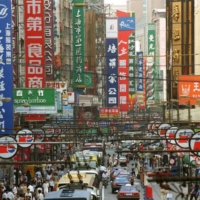
Following China’s abandonment of its "zero-COVID" policy in December, the economy has sprung back to life — bolstered by fiscal and monetary expansion.

It will be through engagement and cooperation that governments will revive Asia's long-term economic prosperity.
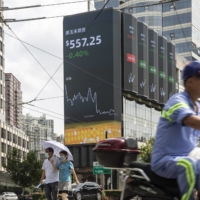
China’s experience over the past 40 years shows that without decent growth, financial stability is difficult to achieve.
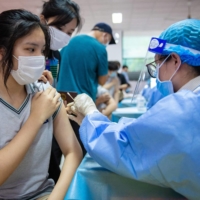
Policy changes might not be enough. Instead, China’s economic recovery may well depend on how the fight against COVID-19 unfolds.
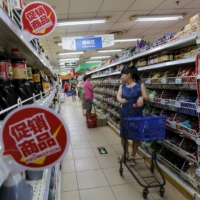
As a developing economy with a per capita income of just over $10,000, China can tolerate higher inflation better than developed economies can.
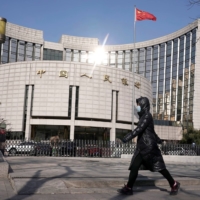
The People’s Bank of China (PBOC, the central bank) is likely to maintain its monetary policy stance, if not tighten it.
In 2015, Gabriel Zucman estimated that at least $7.6 trillion of the world’s private wealth was held in tax havens, equivalent to 8% of global household financial assets.
For China, accepting lower growth provides a crucial opportunity to support stable and sustainable development.

Chinese President Xi Jinping certainly will not pass up the chance to ensure that the G-20 agenda serves China's interests next year.