


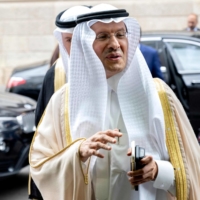
Commentary / World Jun 6, 2023
Saudi Arabia's solo oil production cut is a risky strategy
By implementing a unilateral output reduction, Riyadh is hoping to boost crude prices.
By implementing a unilateral output reduction, Riyadh is hoping to boost crude prices.

Gas supplies are ample even if cold weather returns in force. The bad news is that it means climate change is still happening.
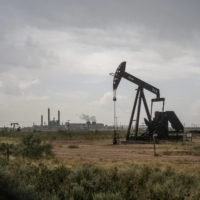
U.S. consumption of fossil fuels is heading toward records — even amid the electric-car boom — and plastics are to blame.
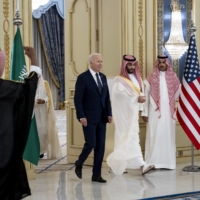
Coming weeks before the U.S. midterm elections, many also see the move to cut oil production as a personal attack on President Joe Biden.
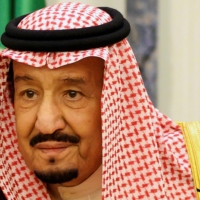
The production boost comes even as the new COVID-19 variant threatens demand, after Washington and Riyadh reached a detente on oil prices.
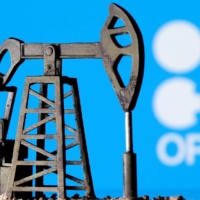
Despite the darkening outlook of the oil market, the panel forecast an oversupply of 1.9 million barrels a day in the first quarter, down from previous estimates.
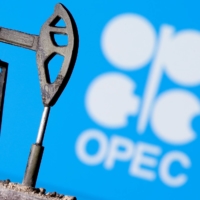
Bowing to U.S. pressure and opening the taps would keep Saudi Arabia’s closest ally onside, at the expense of the hard-won crude price recovery that has swelled the kingdom’s coffers.
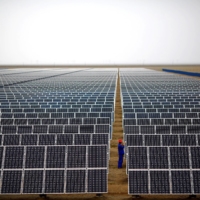
Investment in green energy lags what’s needed to keep the planet from warming significantly, while fossil fuel spending also fails to cater for currently growing demand.
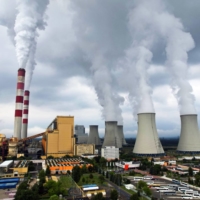
Across the world, fossil fuels are making a remarkable comeback as a supercharged recovery from the pandemic boosts demand.
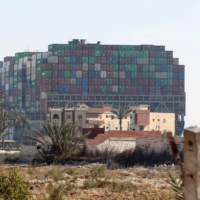
The grounding highlighted the fragility of a global network of markets and economies that takes for granted the flow of goods through it.