


Asia Pacific | ANALYSIS May 11, 2023
Hopes dim for extension of IMF relief amid Pakistan’s deepening political crisis
Foreign exchange reserves in the South Asian country, currently at $4.457 billion, cover barely a month's worth of imports.
Foreign exchange reserves in the South Asian country, currently at $4.457 billion, cover barely a month's worth of imports.
A slowdown in the pace takes pressure off global peers to keep on raising rates and offers relief to emerging markets.
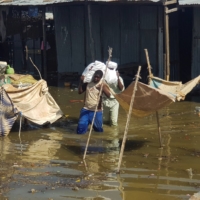
Results under the Common Framework have proven elusive, hampered by a combination of a lack of progress in bringing key creditors around the table and getting them to commit to joint action.
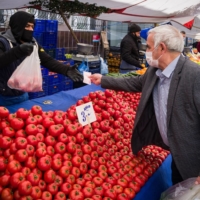
Rising food prices are a hot topic in emerging markets, raising the risk of civil unrest — with echoes of the Arab spring — and putting policymakers in a bind.

Foreign creditors would typically try to band together to negotiate, go to court or in some cases seek arbitration in cases of default, but current sanctions make this difficult.

Foreign investors are effectively stuck with holdings of ruble bonds after the central bank halted coupon payments and the settlement system stopped accepting Russian assets.
Similar curbs to the former Soviet Union's access to global electronics supplies were deployed during the Cold War, keeping it technologically backward and crimping growth.
The country's central bank is thought to hold foreign currency, gold and other treasures in its vaults, but the vast majority of the assets are held outside Afghanistan.

For all the hype and billions of dollars globally pouring into investing based on ESG factors, it is a niche play in the sovereign bond market.

Deepening fears for the health of the global economy pushed world stocks to three-week lows on Friday after China exports contracted by a fifth, sending shares in some of the country's key indexes more than 4 percent lower. The February data out of Beijing came ...