


World Sep 2, 2022
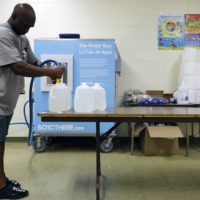
Water crisis in southern U.S. city previews a wetter and hotter future
In addition to warming up the planet, climate change is making precipitation events more intense, and therefore more likely to overwhelm strained systems.
In addition to warming up the planet, climate change is making precipitation events more intense, and therefore more likely to overwhelm strained systems.

Political allies are now acknowledging what scientists have confirmed: There’s virtually no viable path to slashing U.S. emissions in line with Biden’s 2030 target
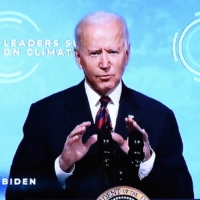
Many of the 40 heads of state who participated had their own message: America needs to do more to convince everyone else that it’s both up to the task and reliable over the long haul.

The fact that the bill contains extensions of a tax credit for carbon capture stood out to some as proof that the administration was addressing climate change only superficially.

As the world warms, some cities are having to ration water during extended droughts, while others see agricultural lands and reservoirs threatened by floods and sea-level rise.

Among the things that most inflamed scientists was Trump’s rejection of the wide body of research establishing climate change, which he has called a hoax.
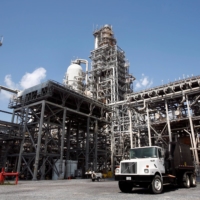
Rising heat and more intense flooding are increasing the stress on all sorts of aging American infrastructure, and the impact often hits disadvantaged communities hardest.

Biden's plan was knitted together in consultation with representatives from various diverse corners of the economic, political and climate advocacy worlds.

It took one week after the first U.S. case of COVID-19 with no overseas connection for Starbucks Corp. to temporarily ban customers from bringing in reusable coffee mugs. Judith Enck, a former regional administrator for the Environmental Protection Agency, was disappointed. Public health comes first, ...