


Business Jun 26, 2023
Mitsubishi UFJ to buy Indonesian auto loan firm Mandala for $467 million
Japanese companies are expanding their footprint in Southeast Asia, hoping to capture an emerging middle class in a region with around 690 million people.
Japanese companies are expanding their footprint in Southeast Asia, hoping to capture an emerging middle class in a region with around 690 million people.
The approval marks the second such vote on a poison pill in Japan that excludes an investor, in a practice some governance experts say could deter shareholder activism.
More than 340 shareholder resolutions have been submitted to about 90 listed companies for voting at annual shareholders meetings in June, when most Japanese firms hold such meetings.
The Financial Services Agency has asked whether they have plans in place if Sino-Western tensions escalate.

A proxy adviser has recommended that shareholders of Toyota vote in favor of a resolution urging the automaker to improve disclosure of its lobbying related to climate change.

A vote on a "poison pill" takeover defense will exclude Cosmo's largest shareholder grouping.
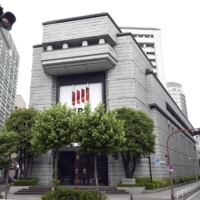
Investors say the move is a testament to the fact that firms can no longer brush aside stock underperformance and must end the practice of asset-hoarding.

Climate groups are targeting mega-banks Mitsubishi UFJ Financial Group, Sumitomo Mitsui Financial Group and Mizuho Financial Group over financing linked to fossil fuels.

The investment firm is willing to play a long game when it comes to portfolio companies and can wait more than a decade to see a turnaround, a top executive said.
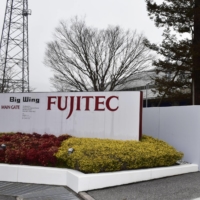
The victory is a departure for Japan, where activists have had little success to date in convincing shareholders to back proposals to fire incumbents.