


World Jul 21, 2023
Ukraine grain relies on a river that’s drying up
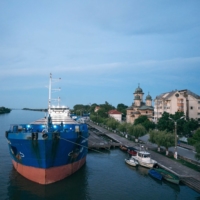
A heatwave fanning across the southern part of Europe is lowering river levels and crimping export capacity, which will make shipping grain even more difficult.
A heatwave fanning across the southern part of Europe is lowering river levels and crimping export capacity, which will make shipping grain even more difficult.
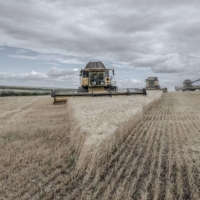
Ukraine finally secured a deal aimed at restarting crucial Black Sea grain exports that have been crippled by Russia’s invasion. But getting them going won’t be easy.

Heat waves and droughts are expected to overwhelm swaths of the continent this summer, causing fires, halting power plants and cutting crop output.
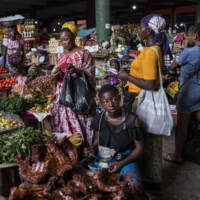
Russian diplomats have gone on a media offensive in recent months to push the narrative that sanctions, rather than Russian blockades, are causing shortages.
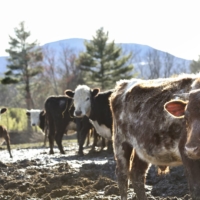
Farmers across the world are contending with near-record prices for livestock feed as supplies of grains and soy shrink.
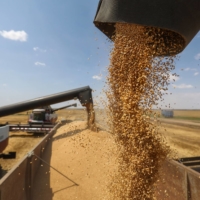
Together, Russia and Ukraine exporting so much wheat, corn, sunflower oil and other foods that it adds up to more than a tenth of all calories traded globally.
Russia and Ukraine are vital suppliers of grains, vegetable oil and fertilizers, which means that supply disruptions will be felt all over the world.
The world’s grains buyers are being forced to hunt elsewhere for cheap and abundant wheat supplies as trade from both Russia and Ukraine dries up.

Global warehouses are stuffed with frozen cuts of pork, wheels of cheese and bags of rice. But as the coronavirus snarls logistical operations, the question becomes: How does all that food actually get to people? Despite the inventories, grocery stores are looking almost apocalyptic with ...