


Business Jun 27, 2023
A second life for EV batteries? Depends how long the first is.
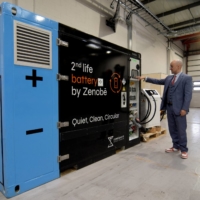
Demand for used batteries for storage is likely to soar as intermittent renewable energy takes on a bigger role.
Demand for used batteries for storage is likely to soar as intermittent renewable energy takes on a bigger role.
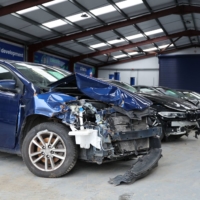
Battery packs can cost tens of thousands of dollars and represent up to 50% of an EV's price tag, often making it uneconomical to replace them.
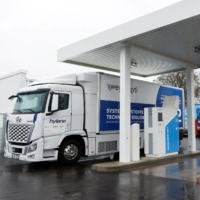
Vehicles with hydrogen fuel cells, in which hydrogen mixes with oxygen to produce water and energy to power a battery, can refuel in minutes.
The EVs of the future could shift to sodium-ion or lithium sulfur battery cells that could be up to two-thirds cheaper than today's lithium-ion cells.

Human supervisors, monitoring video feeds from multiple autonomous vehicles ready to step in and get stuck robot drivers moving again, may be needed permanently.
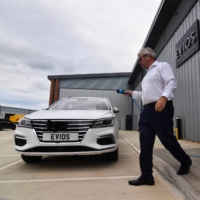
The current scramble is likely to feed further dealmaking in the sector as tens of millions of units are installed globally over the next decade.
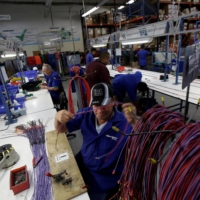
These low-tech and low-margin parts may not command the kudos of microchips and motors, yet cars can't be built without them.

A growing group of startups and established logistics firms has created a multibillion dollar industry applying the latest technology to help businesses minimize supply chain disruption.
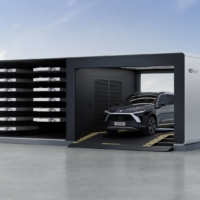
China is pushing hard for swappable batteries for EVs as a supplement to charging, with the government throwing its weight behind several companies advancing the technology.

Car manufacturers, guarding their gatekeeper role in accessing data from their vehicles, have resisted specific regulations for in-vehicle data, saying that protecting consumers is key.