


National Jan 2, 2022
How the pandemic changed Japan’s health care system
COVID-19 has overhauled work practices and exposed the divisions between the public and private sectors of the medical system.
COVID-19 has overhauled work practices and exposed the divisions between the public and private sectors of the medical system.
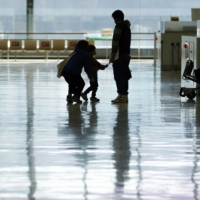
The administration’s response to the new variant has again shone a light on the impact of tough countermeasures, and demonstrated the country’s continued willingness to pay the price.
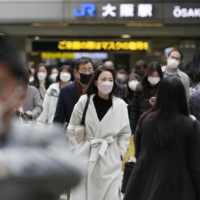
The Kyoto Prefectural Government said it has confirmed that one person has been infected with the variant, and that their infection route has not been traced so far.
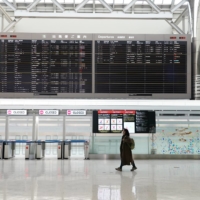
Effective Thursday, the central government temporarily suspended for one month visas that have been issued but not used to enter Japan.
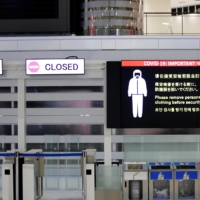
People with existing bookings will still be able to fly into Japan despite the 'emergency measure' that came the same day the country logged its second case of the omicron variant.
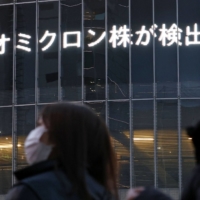
Genomic screening had detected the variant in a male Namibian diplomat in his 30s who had landed in Tokyo on Sunday traveling from from Namibia.
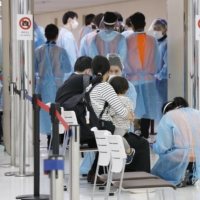
The country’s new entry measures — which together with Israel are among the world’s most stringent — mean that from Tuesday all new visitors are barred from entry.
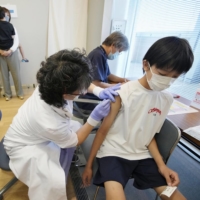
As the country finishes its initial rollout of COVID-19 vaccines, Japan must simultaneously gear up to distribute a third dose.
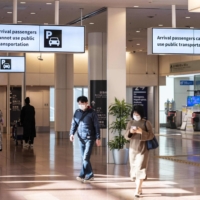
The measures close the border to business travelers, foreign students and foreign interns starting Tuesday but it does not affect re-entry for Japanese nationals and foreign residents.
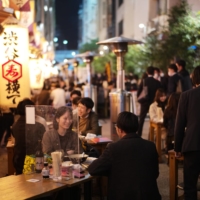
Those showing proof of vaccination or a negative test result would be able to enter eating and drinking establishments as normal, even under a state of emergency.