



Commentary / Japan Feb 17, 2021
Biden’s Asia strategy: 'Personnel is policy'
Considering the weak domestic position of the United States, its demands for human rights could be perceived as self-righteous and end up alienating other countries.
Considering the weak domestic position of the United States, its demands for human rights could be perceived as self-righteous and end up alienating other countries.
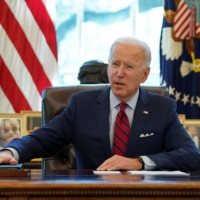
Even if allies strike a deal with the current U.S. administration, there is always the fear that it may be overturned in four years.
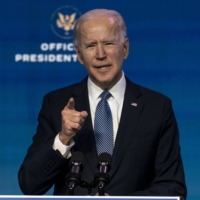
During the four years of the Trump administration, the U.S. has been left behind in efforts to construct a new regional architecture in the Asia-Pacific.
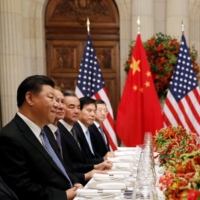
The post-pandemic world is no simple seesaw game in which East Asia rises and the West falls.

The U.S. has dealt with the question of decline more than once in the postwar era.

The relationship between the world's three largest economies is a beneficial one, but must be maintained with delicacy and skill to keep conflict at bay.

When it comes to the pandemic, or climate change, we may have to accept a certain amount of coexistence, even as we develop countermeasures.

COVID-19 vaccines are in the final Phase-3 of clinical trials around the world. Russia, however, skipped Phase-3 trials and immediately moved to approve the vaccine.

China’s offensive maneuvering will continue for some time. In response, the U.S. and Japan have no choice but to work on reaffirming and strengthening their alliance.

Japan risks losing its status as an advanced nation unless it survives the pandemic and comes out on top.