


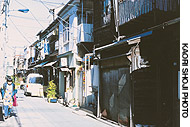
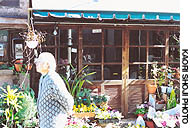
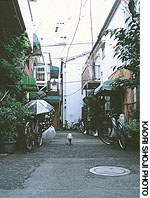
There are three things that stir the heart of every true Tokyoite: sento (public baths), mazelike roji (alleys) and matsuri (festivals). Over the last couple of decades, all three have been gradually fading from the city scene, though there are still pockets in the megalopolis where they can be found in traditional harmony.
These are called shitamachi (old downtown) and are the cause of big smiles, nostalgic sighs and feelings of inner satisfaction that Tokyo still has a little of its “true self” left.
The term “shitamachi” was first coined in the mid-18th century for the areas of Old Edo where the merchants and artisan classes lived — nowadays covered by Fukagawa, Asakusa, Kanda, Nihonbashi, Hamacho, Tsukiji, Honjo, Mukojima and Ryogoku. The samurai, meanwhile, lived (as elites the world over tend to do) on the surrounding hills, here called yamanote — specifically Hongo, Kagurazaka, Ichigaya, Yotsuya, Akasaka, Azabu, Shiba, Shirogane, Aoyama and Harajuku.
With your current subscription plan you can comment on stories. However, before writing your first comment, please create a display name in the Profile section of your subscriber account page.