


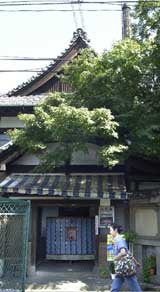
In a quiet residential area of Tokyo’s Bunkyo Ward, half hidden by a large maple tree, stands an impressive, castlelike wooden structure that is like a portal to another time. With old-fashioned kawara tiles on its pagoda-style roof, and its curliculed surrounding stone wall, the building is evocative of an era when yukata and geta were common and people called places like this home.
Outside the building, the sound of chatter and occasional laughter floats out of the windows. Just inside the door, patrons are greeted with a cloud of steam and the pleasant scent of soap. This is Tsuki no Yu, one of the oldest sento(public baths) in Japan. Built in 1933 by miyadaikucarpenters who specialized in temples and palaces, it stands as grandly today as it did when its doors first opened.
Just as customers do at many sento throughout the country, people sit in Tsuki no Yu’s washing area on low stools, shampooing their hair and scrubbing their bodies before simmering in the deep baths kept at around 40-43 C. In the changing rooms, others lie relaxing on the floor, towels strategically placed, or sit on rattan chairs chatting away with their faces flushed from the hot steamy bath.
With your current subscription plan you can comment on stories. However, before writing your first comment, please create a display name in the Profile section of your subscriber account page.