


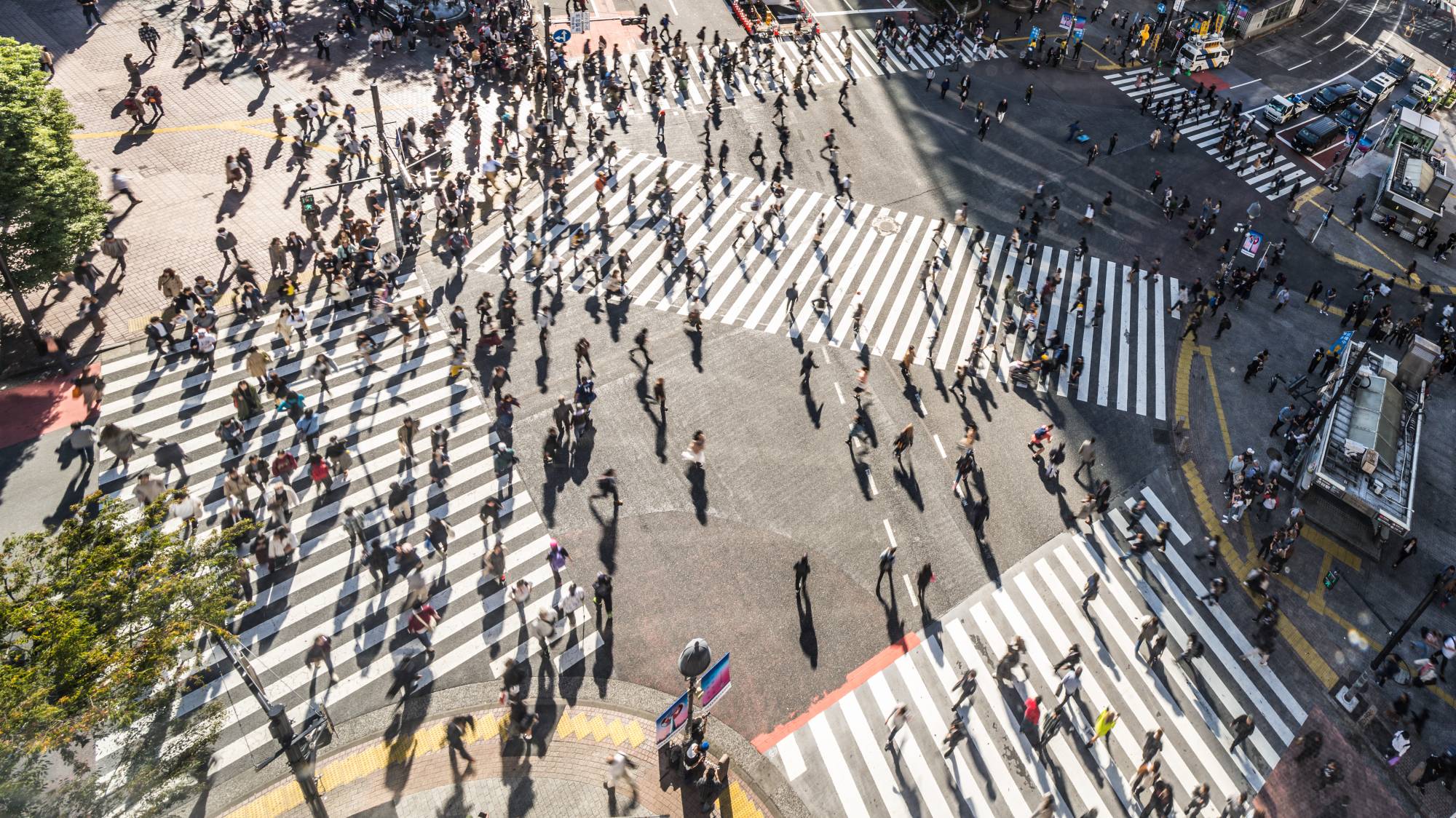
“The people are so law-abiding” is a common Western trope about Japan. It is mostly true, of course, but it probably also helps that information about who has broken the law is kept tightly under wraps.
The front end of the nation’s criminal justice system gets a lot of bad press due to a penchant for prolonged pre-charge detention periods with limited access to counsel that help generate conviction rates well above 90%. However, once you submit to authority and demonstrate suitable contrition things improve greatly. Suspended sentences are common and even if you are sent to prison, the system generally tries to get you out as soon as possible.
After fines, the most common punishment meted out is imprisonment with labor. This reflects the rehabilitative focus of Japanese prisons. The idea is that working in prison factories gives convicts structure and skills to make them more employable after release.
A human rights problem
Getting a job can still be a challenge though. Employment applications don’t ask about prior convictions (as is common in the U.S.), but until recently the standard Japanese resume format includes a column for shōbatsu – awards and punishments. Courts have held that the latter means the criminal kind. So theoretically you are required to disclose a criminal record. It shouldn’t matter, though: Employment discrimination against those who have them is considered a significant human rights issue by the Justice Ministry. Thanks to 2017 amendments to the nation’s data privacy statute, criminal records are now a category of personal data subject to restrictions on collection.
KEYWORDS
In a time of both misinformation and too much information, quality journalism is more crucial than ever.
By subscribing, you can help us get the story right.
With your current subscription plan you can comment on stories. However, before writing your first comment, please create a display name in the Profile section of your subscriber account page.