


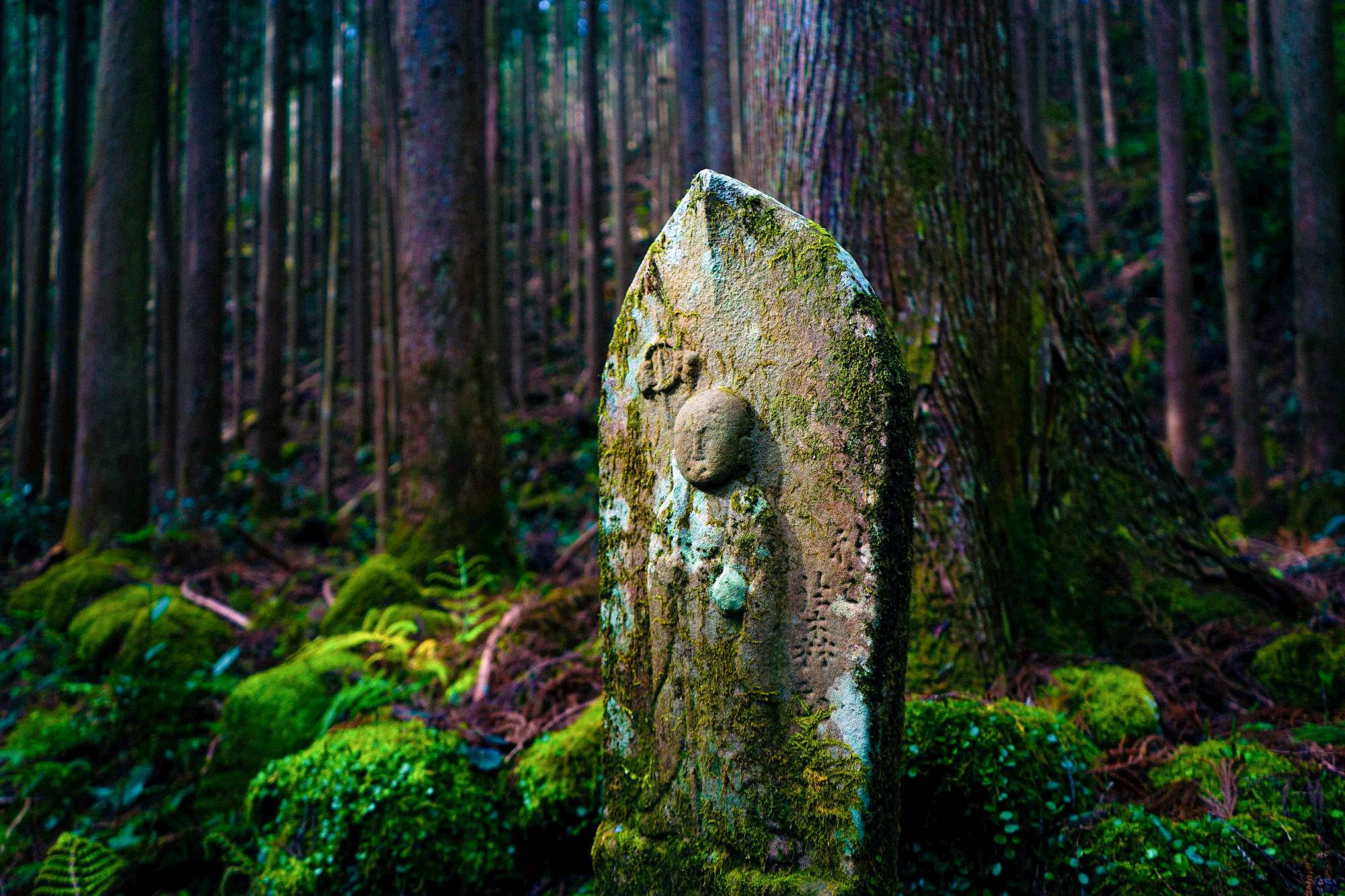
Nagoya – Wakayama Prefecture doesn’t just feel like a spiritual place, it is spiritual. On its northern borders are holy sites such as the Ise Grand Shrine in Mie Prefecture and Todaiji Temple in Nara Prefecture, which houses Japan’s largest Buddha statue. However, as you travel deeper into Wakayama itself, both the awesome natural surroundings and the proliferation of historic religious sites can provide a sense of spirituality to a lone traveler like myself.
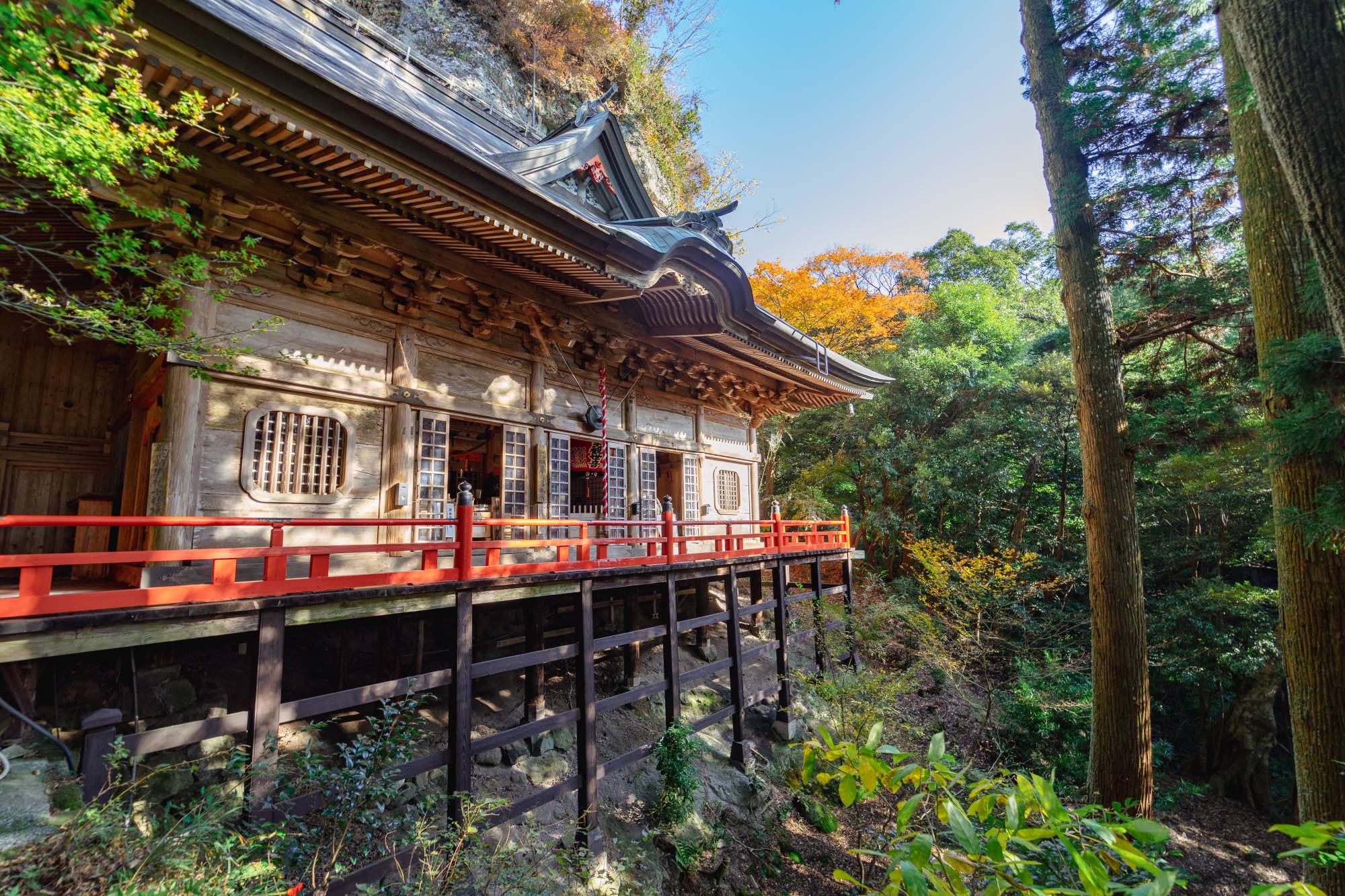
Vast swaths of forested mountains stretch out across sparsely populated territory, from Mount Gomadan on the border with Nara to Asaki Shrine, which is situated on the southernmost tip of Honshu. In between, ancient shrines dot the lush, mountainous region, honoring the local gods of mountain, forest and sea, and Buddhist temples welcome those seeking enlightenment.
In Shingon Buddhism, headquartered at Kongobuji temple on Mount Koya, enlightenment is not a distant dream that takes many lifetimes to attain, but a real possibility for all of us in this world. The combination of breathtaking scenery, remoteness and dedicated spiritual practice makes Wakayama a truly spiritual place in Japan — one quite unlike any I have experienced abroad.
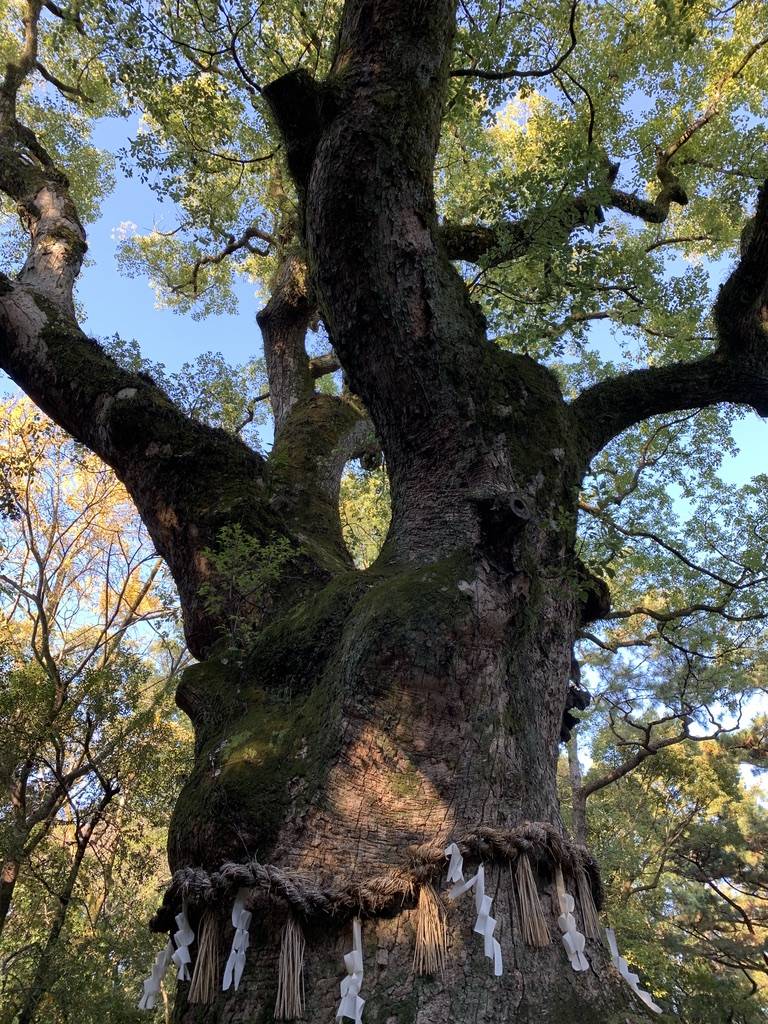
In fact, the presence of spiritual landscapes such as Wakayama is one of my favorite things about living in Japan. People frequently discuss the pros and cons of life in Japan to outsiders. The first positives to get mentioned are the trains, the food and the hustle and bustle of Shibuya. But what people rarely mention is the ubiquitous presence of a “spiritual geography” that covers the landscape: the temples and shrines that mark every mountain and fit into every neighborhood.
“I believe (temples and shrines) play a role in modern society as a place where people can discover ‘something’ about themselves,” says Yusen Onozaki, a former chief Buddhist priest and current owner of Nyojitsu-an, a Buddhist hermitage near Odawara, Kanagawa Prefecture. “When you enter the precincts of a temple or shrine, it gives rise to feelings that you do not normally experience.
KEYWORDS
In a time of both misinformation and too much information, quality journalism is more crucial than ever.
By subscribing, you can help us get the story right.
With your current subscription plan you can comment on stories. However, before writing your first comment, please create a display name in the Profile section of your subscriber account page.