


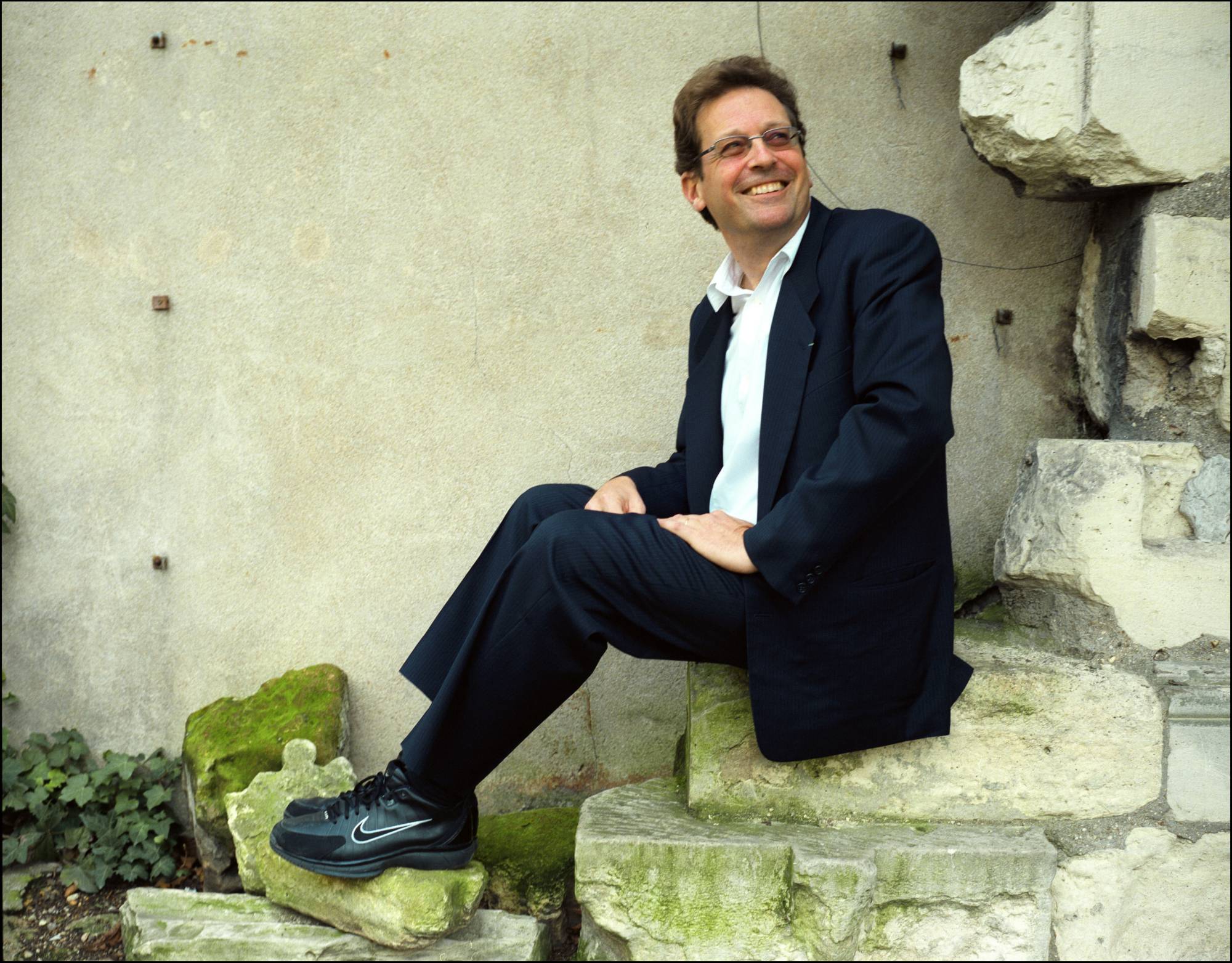
Taipei, Taiwan – Over a career that spans five decades, Philip Jodidio has written extensively about architecture and the arts. Born in Orange, New Jersey, in 1954, he attended Harvard University where he graduated in 1976 with a bachelor’s degree in economics and art history. He moved to Europe in the late 1970s, where he began working at Connaissance des Arts, a Paris-based art magazine, and over the years, he devoted a growing amount of his time to exploring and explaining the world of architecture. He has published dozens of books on the topic, including numerous monographs on contemporary masters. In the summer of 2021 alone, he published two volumes with Taschen, “Contemporary Japanese Architecture” and “Kuma: Complete Works 1988-Today.” Jodidio recently spoke with The Japan Times prior to the release of his two books.
The Pritzker Architecture Prize is often described as the Nobel for architecture. Seven Japanese are among its 44 laureates, Kenzo Tange being the first in 1987. Why have Japanese architects been so successful and widely recognized abroad?
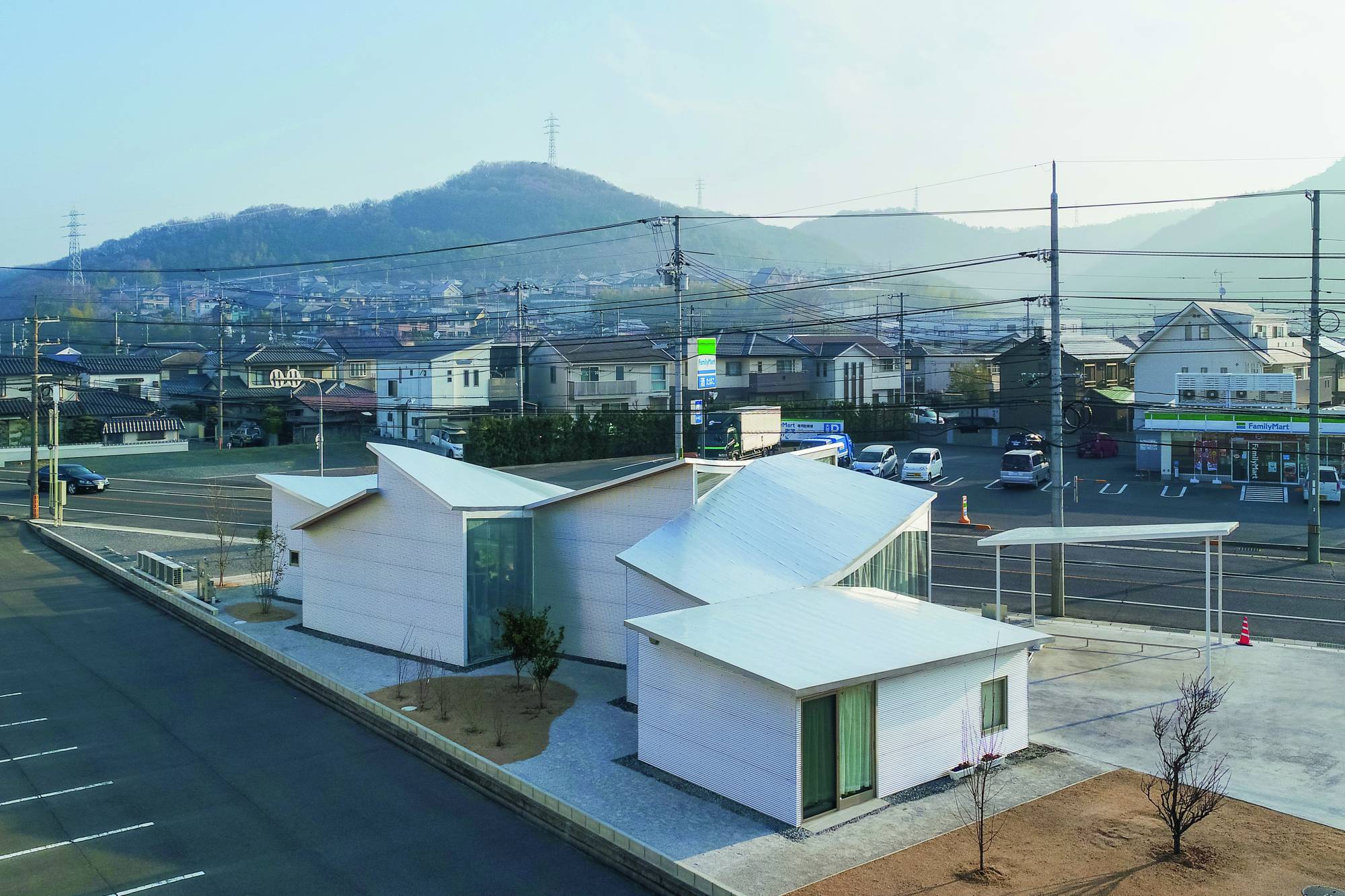
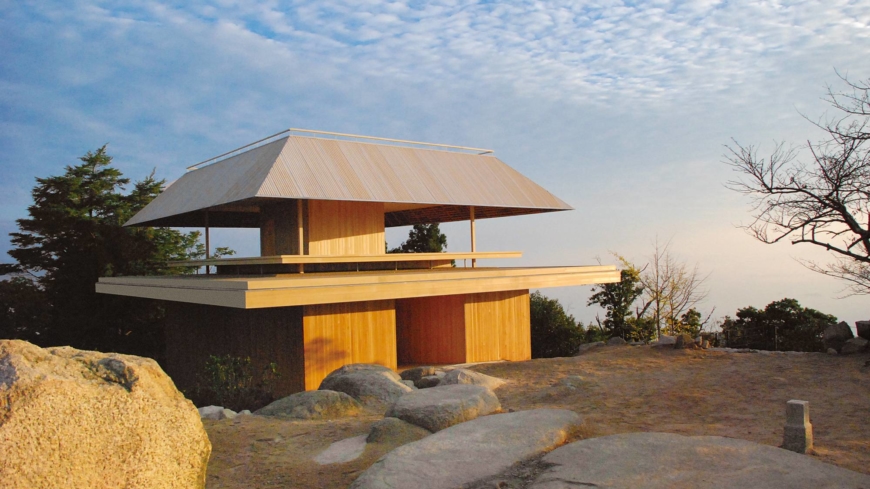
This has to do with the personality of the architects themselves as well as with international trends. Interest in Japanese architecture goes back at least to Kenzo Tange and the Yoyogi National Gymnasium, which he built for the 1964 Tokyo Olympics. His influence then continued through younger architects who worked in his office, people such as Arata Isozaki. Another important reason is related to a very interesting combination in Japanese architecture, one that in many ways is unique to Japan, which blends respect for tradition with a sense of humor, a willingness to transgress and a desire to be extremely innovative.
Also key are Japanese clients, many of whom have been willing to accept the combination just described, especially at a smaller scale such as with private houses. All these things have contributed to the success of Japanese architecture.
You point out in your book that many Japanese offices have been effective at developing talent. Indeed, working in the studio of a well-known architect appears to be an important path to success: Norihiko Dan worked with Fumihiko Maki; Hiroshi Nakamura and Masahiro Harada with Kengo Kuma; Kazuyo Sejima with Toyo Ito; Jun Aoki and Shigeru Ban with Isozaki.


In a time of both misinformation and too much information, quality journalism is more crucial than ever.
By subscribing, you can help us get the story right.
With your current subscription plan you can comment on stories. However, before writing your first comment, please create a display name in the Profile section of your subscriber account page.