


“Dr. Brain” has not received the launch that you might expect for a miniseries made by a significant South Korean filmmaker, one that’s an important building block in Apple TV+’s attempt to upgrade its international content. The show’s Thursday debut was announced less than two weeks ago, and even then, there was confusion about the actual date it would premiere in the United States. The ritual press day with cast and crew, just announced Tuesday, is taking place a week after the premiere.
That seeming lack of planning could be a result of Apple focusing its attention on the show’s release in South Korea; “Dr. Brain,” created by Kim Jee-woon, is the service’s first original series from that country. But it’s hard not to suspect another culprit: Netflix’s “Squid Game,” and the sudden avalanche of attention it has brought to South Korean television drama. Maybe someone at Apple woke up and said, “Hey, we’ve got one of those, too!”
And the one they have is, in its relatively quiet and only slightly sensational way, better. Quiet and unsensational are not qualities always associated with Kim, who was happy to engage in excesses of gore or hyperbolic action in movies like “I Saw the Devil” and “The Good, the Bad, the Weird.” In “Dr. Brain,” he’s operating in a calmer, subtler mode reminiscent of his best work, the polished horror film “A Tale of Two Sisters.”
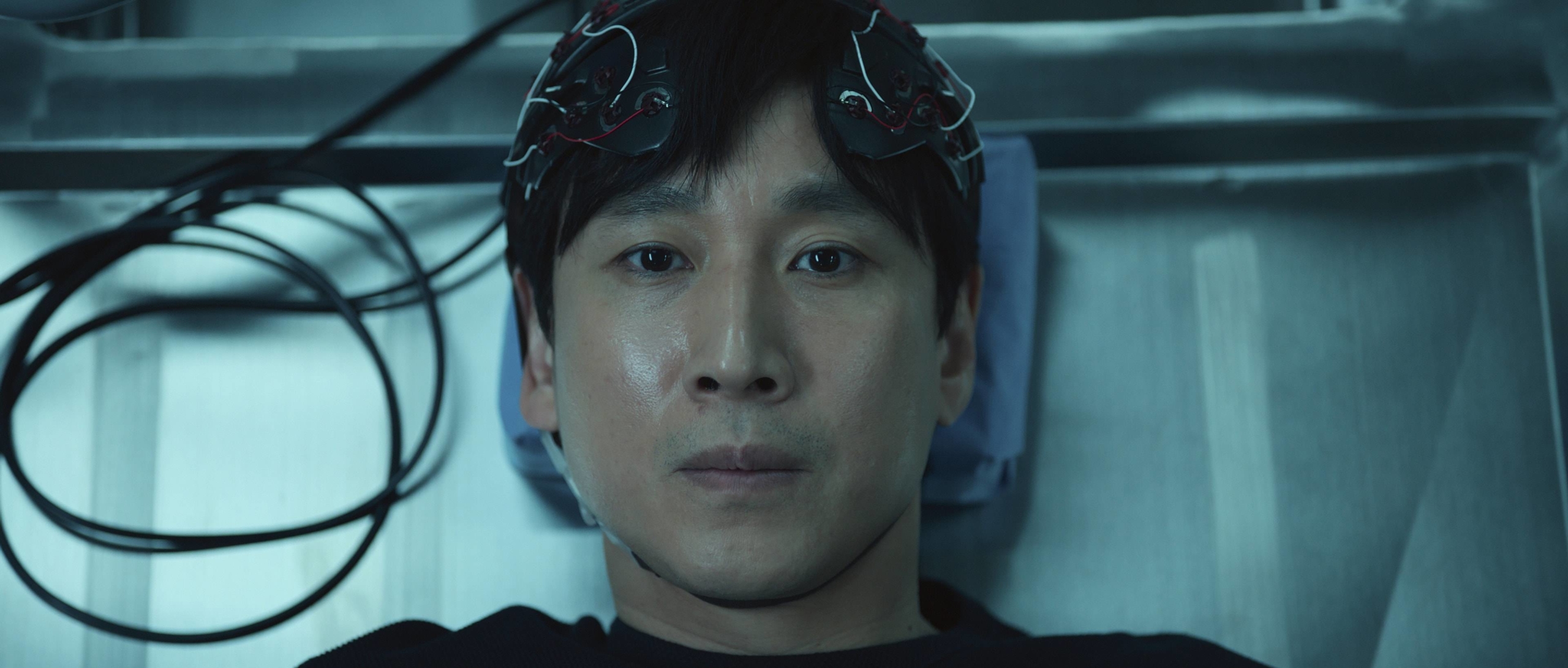
Kim has been a genre-hopper in his career, and the six-episode “Dr. Brain,” his first TV series, blends formats that he’s worked in before. In outline, it’s a straightforward mystery, as brain scientist Sewon Koh (Lee Sun-kyun) searches for the son he thought he buried but who may be alive; he’s helped by a police officer, Lt. Choi (Seo Ji-hye), who’s initially skeptical but comes around to his side.
But it’s also a science-fiction story: Koh has developed a process for “syncing brain waves,” allowing him to tap into the memories of the recently dead. The fate of his son is wrapped up with a conspiracy involving this technology, and there’s a hubris-of-science theme that ties “Dr. Brain” to Dr. Frankenstein, at the high end, and the mid-1980s helmets-and-electrodes thrillers “Brainstorm” and “Dreamscape,” at the lower end.
In a time of both misinformation and too much information, quality journalism is more crucial than ever.
By subscribing, you can help us get the story right.
With your current subscription plan you can comment on stories. However, before writing your first comment, please create a display name in the Profile section of your subscriber account page.