


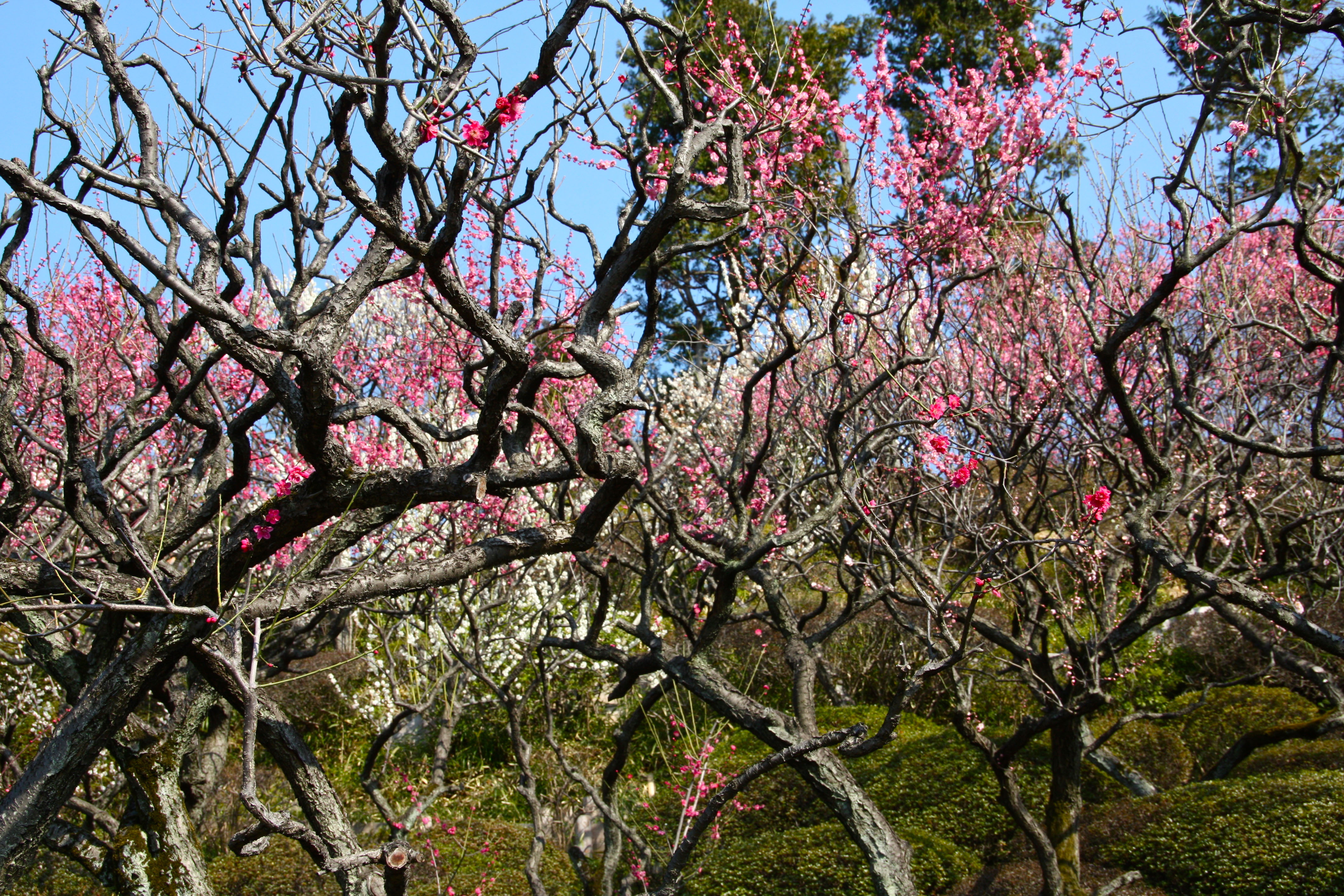
Whether you call the Prunus mume a plum or an apricot (it is related to both), the flowers are plum elegant on their leafless, shiny branches and help cheer us through winter’s finale. To enjoy them to the full, I seek out Ikegami Baien Garden in southern Tokyo’s Ota Ward, having hopped the Tokyu Ikegami Line to Ikegami Station and taken the only exit.
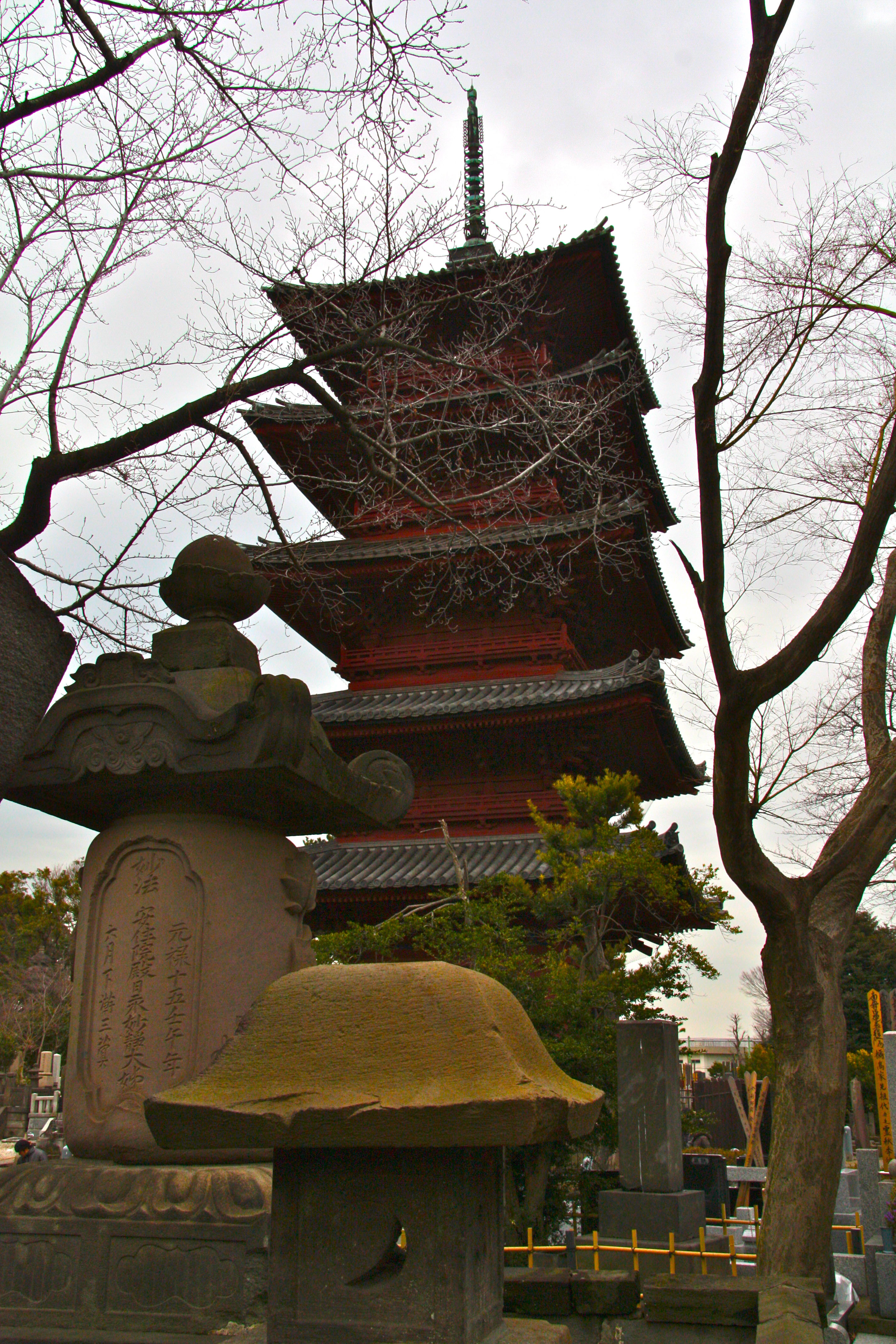
I follow signs to Ikegami’s other claim to fame, Honmonji Temple, one of Japan’s seminal Nichiren sites. A revolutionary monk, Nichiren (1222-82) was repeatedly exiled and persecuted for his staunch opposition to the dominant Buddhist doctrines of his day, and at age 61 his health was failing.
En route to hot springs in present-day Ibaraki Prefecture for relief, he stopped to visit a disciple, the feudal lord Munenaka Ikegami, for whom this area was named. While there, however, Nichiren died — but not before sanctioning the establishment of a temple on Ikegami’s land.
With your current subscription plan you can comment on stories. However, before writing your first comment, please create a display name in the Profile section of your subscriber account page.