


“That’s where they’re going to spray.”
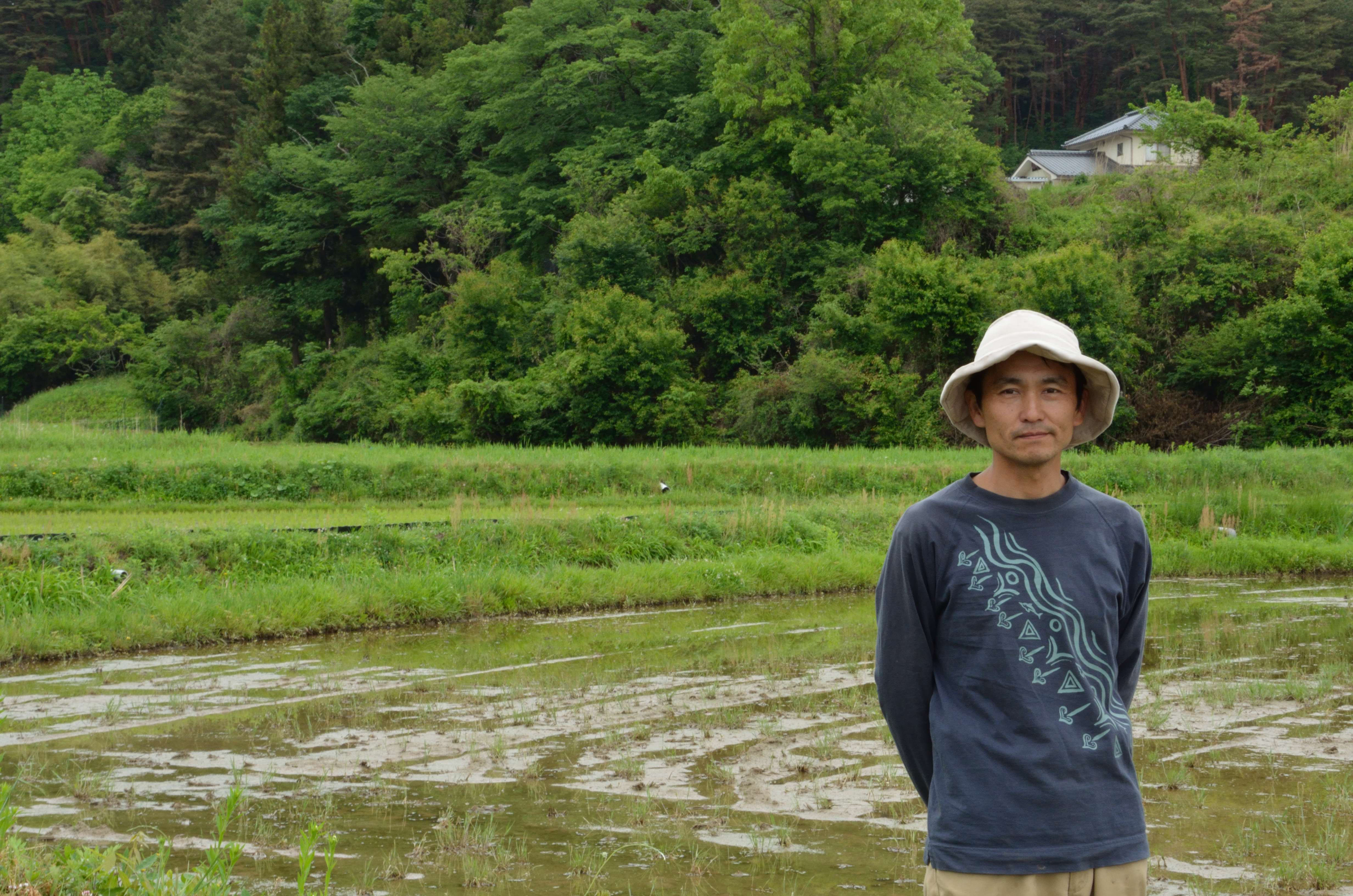
Organic farmer Naoki Tachikawa, 43, is standing on the edge of one of his tiny rice fields in the Shiga district of Matsumoto, central Nagano Prefecture, pointing at two low hills that embrace the upper reaches of the terraced valley floor. The hills, which taper off about 200 meters from the field, are clothed in Japanese red pines. With their russet trunks and deep-green foliage, the trees look like a classic woodblock print come to life.
A second glance reveals a problem: On several trees the needles are red, not green. In fact, those trees are dead, and soon the whole stand may be, too — the latest victim of a pine-wilt disease that has marched east from Kyushu over the past century. Though it peaked in 1979, it has continued to wipe out trees in new regions ever since.
With your current subscription plan you can comment on stories. However, before writing your first comment, please create a display name in the Profile section of your subscriber account page.