


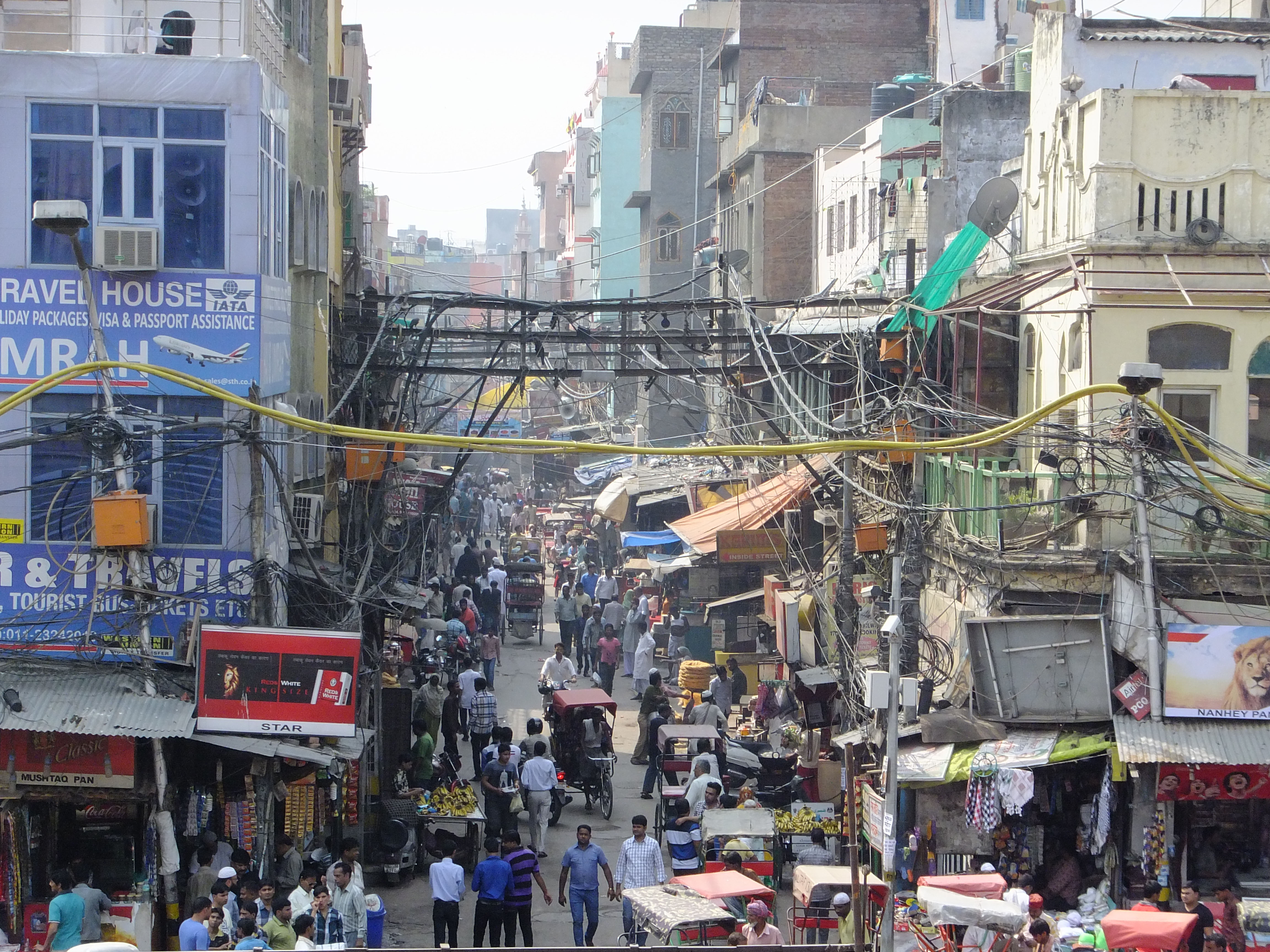
Careening through the winding streets of Chennai, India, in the back of black and yellow auto-rickshaws, I am always amazed by the drivers’ audacity — or perhaps a better term would be “death wish.” These are the subcontinent’s equivalent of New York’s exuberant cabbies, but these drivers are much more likely to be found traveling the wrong direction on one-way streets.
I’m nearly a veteran of these stubby, oblong vehicles, having been in India each summer for the past eight years with university students visiting NGOs, rural development projects and Japanese working in the public and private sectors. Nevertheless, I still feel a mixture of excitement and foreboding every time I climb into one of these sputtering, soft-top tricycles that zigzag through traffic with their two-stroke engines spewing oily smoke.
Today India is home to about 1.27 billion people, approximately 18 percent of the world’s population, second only to China. With India’s growth rate hovering around 1.6 percent, the UN’s 2012 World Population Prospects report predicts that it will outpace China by 2028. By then, India and China will each have around 1.45 billion citizens.
With your current subscription plan you can comment on stories. However, before writing your first comment, please create a display name in the Profile section of your subscriber account page.