


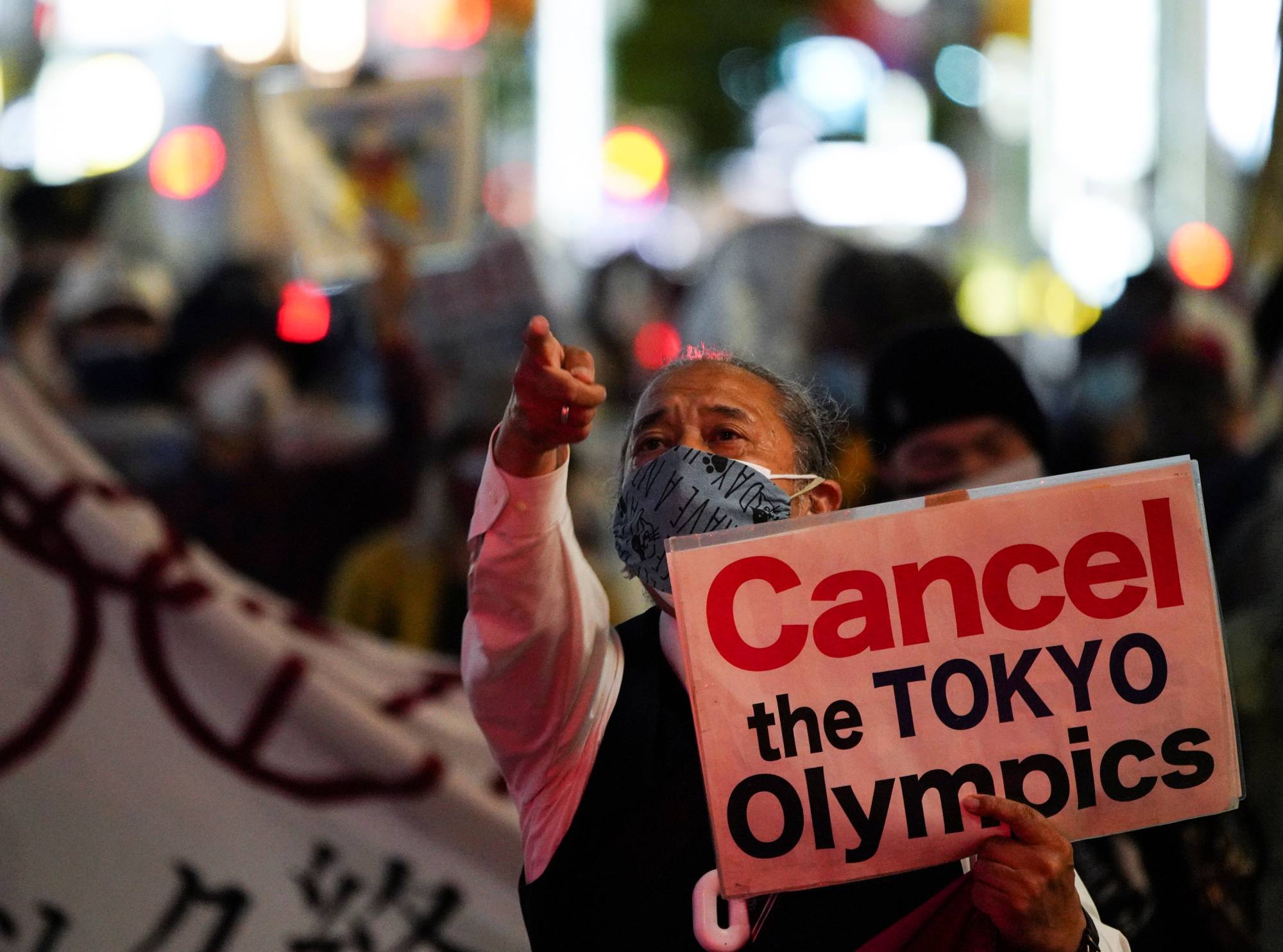
Osaka – Japan is experiencing a resurgence of COVID-19 infections — the dreaded 第4派 (dai yon-pa, fourth wave) — and the country’s vaccine rollout has been criticized for being too slow. With the opening ceremony of the Tokyo Olympics almost two months away, a lot of people may be thinking, 今年、オリンピックを開催できるわけがない (kotoshi, Orinpikku o kaisai dekiru wake ga nai, there is no way that the Olympics can be held this year).
And yet, there is little evidence to suggest a change in course. You can almost hear the collective bewilderment of critics: いったいどういうわけ? (Ittai dō iu wake?, What’s going on?)
Just as confusing as this current state of affairs is the myriad ways in which the term わけ (wake) can be used in Japanese. In English, わけ can be directly translated as “reason” or “cause,” as in, ここに来たわけは言えません (koko ni kita wake wa iemasen, I cannot tell you the reason why I came here). However, わけ is used in various grammatical structures, each with different nuances.
The most basic of these structures is わけだ (wake da), which comes at the end of a sentence. The speaker uses わけだ — or any of its conjugations: わけです (wake desu), わけで (wake de) and so on — to indicate a conclusion based on what they have heard or read.
昨日、恵子ちゃんは三時間しか寝ていないのか。どうりで眠いわけだ (Kinō, Keiko-chan wa san-jikan shika nete-inai no ka. Dōri de nemui wake da, Yesterday, little Keiko slept only three hours? It’s no wonder she is sleepy).
In a time of both misinformation and too much information, quality journalism is more crucial than ever.
By subscribing, you can help us get the story right.
With your current subscription plan you can comment on stories. However, before writing your first comment, please create a display name in the Profile section of your subscriber account page.