


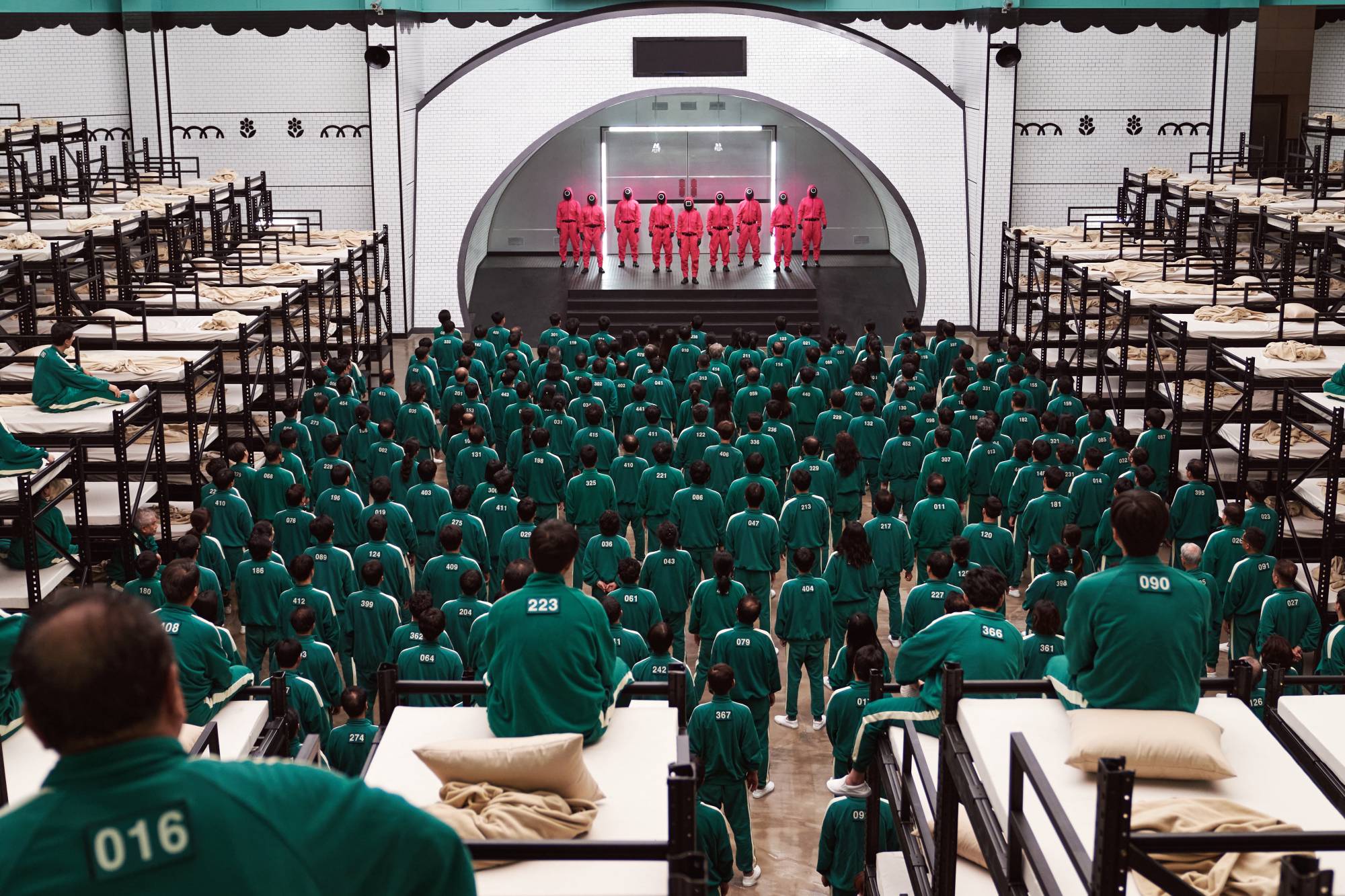
“Squid Game” is a thrilling South Korean drama about desperate individuals who compete in a life-or-death game for cash, and it has become Netflix’s most-watched show ever. It has also received a few criticisms for its translation.
These criticisms began when American Korean speaker Youngmi Mayer took to social media claiming the English was mistranslated.
As a translator, I can think of two reasons for Mayer’s critique. The first is that she is not assessing the translation itself, but an adaptation of the translation. The second is that, from a translator’s perspective, the “Squid Game” translation was not mistranslated or botched at all.
Viewer criticisms mostly focus on how the same wording is not used in the English translation, and that certain cultural concepts are lost altogether in translation. Criticisms like these often come up in Japanese-to-English audio-visual translation, too — especially with regard to anime. These kinds of critiques are sometimes made with a lack of understanding of how translation, and audio-visual translation in particular, works.
First, there is a big difference between presenting a translation via subtitles or via a dubbed overlay. When working with subtitles, the translator must convey the original meaning and intent of the script in a very compact space — the bottom of your screen. Netflix limits its subtitles to two lines at 42 characters per line and Crunchyroll at about 25. Each line can only appear on screen for a few seconds.
KEYWORDS
In a time of both misinformation and too much information, quality journalism is more crucial than ever.
By subscribing, you can help us get the story right.
With your current subscription plan you can comment on stories. However, before writing your first comment, please create a display name in the Profile section of your subscriber account page.