


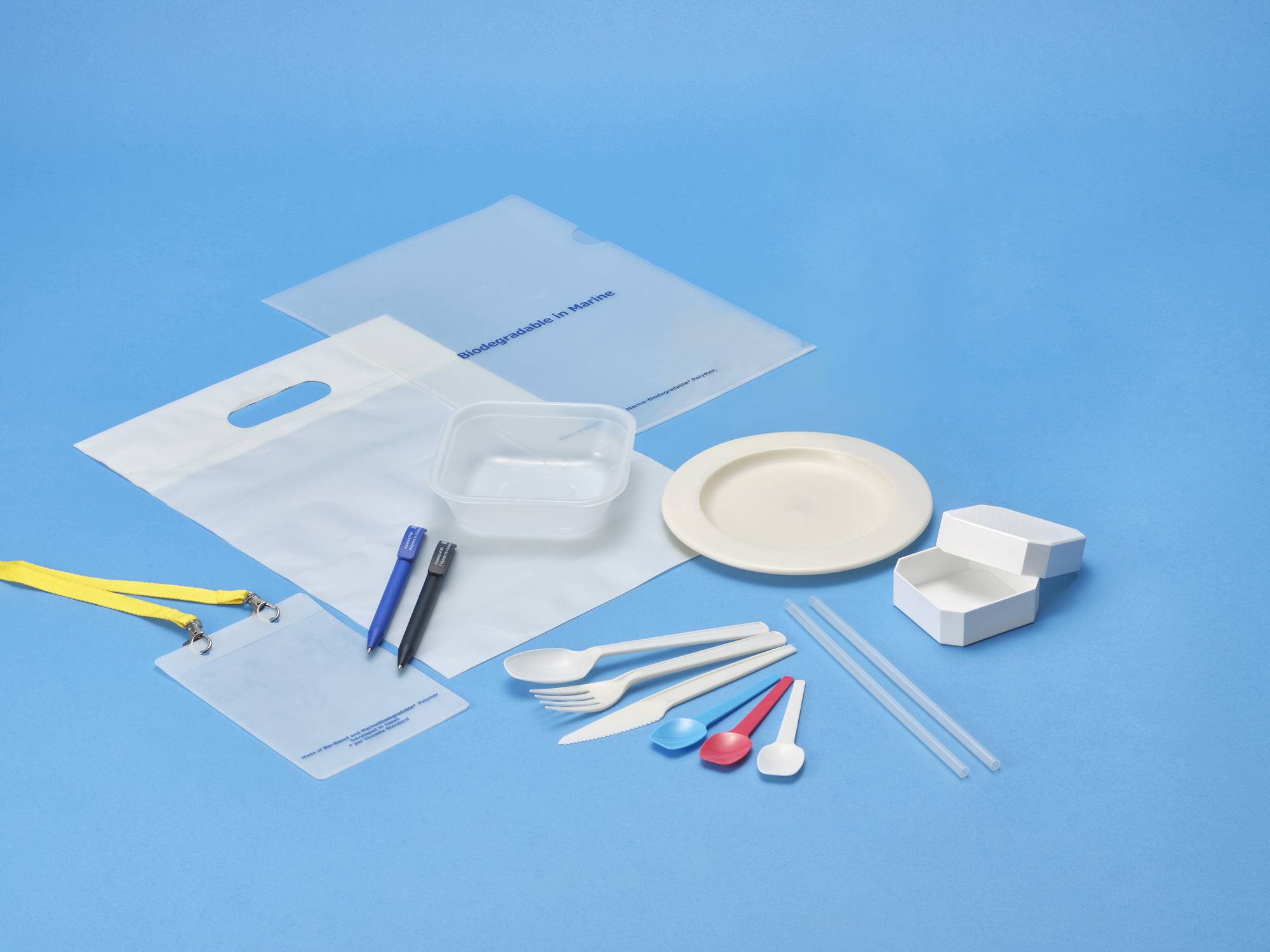
It’s official: In March, the United Nations Environmental Assembly endorsed a global pact on the life cycle of plastic. It has been declared a seismic shift in the battle against marine pollution, but what will happen to the oceans before those potential positive effects come?
Japan’s coasts and seas are awash with plastic waste. More PET bottles and plastic cups and take-out containers were found on the country’s beaches than any other litter except cigarette butts, according to a 2020 study by Statista. And that’s not set to change soon: Japan continues to produce 9.4 million tons of plastic waste annually according to the Environmental Investigation Agency, a London-based nongovernmental organization.
In deeper waters, the Great Pacific Garbage Patch of floating plastic is an estimated 1.6 million square kilometers, and the amount of plastic waste entering the ocean annually could rise to 29 million tons by 2040 without action, according to a 2020 Pew report. This phenomenon has contributed to the 35,000 tons of microplastics already in the oceans globally, as noted by the Scottish nonprofit Fidra.
March saw Japan provisionally agree to sign the United Nations Environmental Assembly’s global pact to eliminate plastic pollution by addressing the life cycle of plastic, (the agreement is due for completion in 2024). In April, Japan enacted its own attempt to address the plastic issue from creation to disposal. The Plastic Resource Circulation Act aims to reduce the use of petroleum-based plastics and promote recycling, contributing to the Osaka Blue Vision set out at the 2019 G20 meeting, which is “to reduce additional pollution by marine plastic litter to zero by 2050.”
Fighting the tide
KEYWORDS


In a time of both misinformation and too much information, quality journalism is more crucial than ever.
By subscribing, you can help us get the story right.
With your current subscription plan you can comment on stories. However, before writing your first comment, please create a display name in the Profile section of your subscriber account page.