


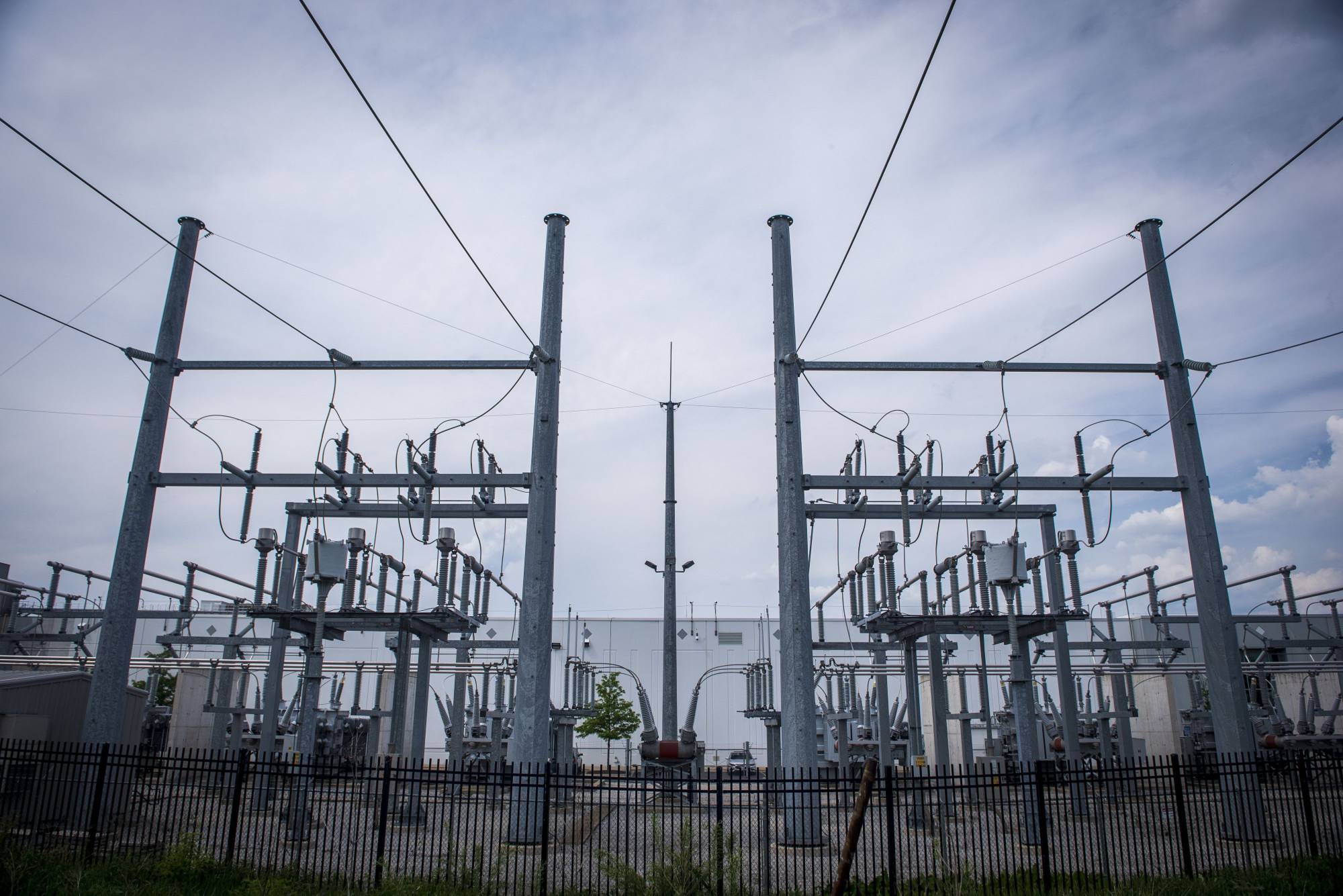
More than five years after massive cyberattacks left a quarter of a million Ukrainians without electricity, the world’s power grids have become even more vulnerable to hackers.
As utilities turn to sources of renewable energy and add millions of other components like smart meters, they’re rapidly multiplying the number of connections and sensors along their networks, widening the potential for intrusions.
“Power grids are getting increasingly vulnerable because of digitalization and the use of more smart applications,” said Daine Loh, a Singapore-based power and renewables analyst at Fitch Solutions.
It’s a threat highlighted in an initial probe in India that found an October blackout in Mumbai may have been caused by cyber sabotage. That outage impacted stock markets, trains and thousands of households in the nation’s financial hub. The disruptive potential of grid failures — as seen in Texas last month due to a sudden deep freeze — makes the sector a key target, particularly for state-based hostile actors.
Over the past four decades, power plants and substations have been moving from manual to automatic controls, and are increasingly being connected to public and private networks for remote access, leaving them exposed to attacks. Producers and distributors have also often been reluctant to spend on protecting themselves against low-probability attacks.
KEYWORDS
In a time of both misinformation and too much information, quality journalism is more crucial than ever.
By subscribing, you can help us get the story right.

With your current subscription plan you can comment on stories. However, before writing your first comment, please create a display name in the Profile section of your subscriber account page.