


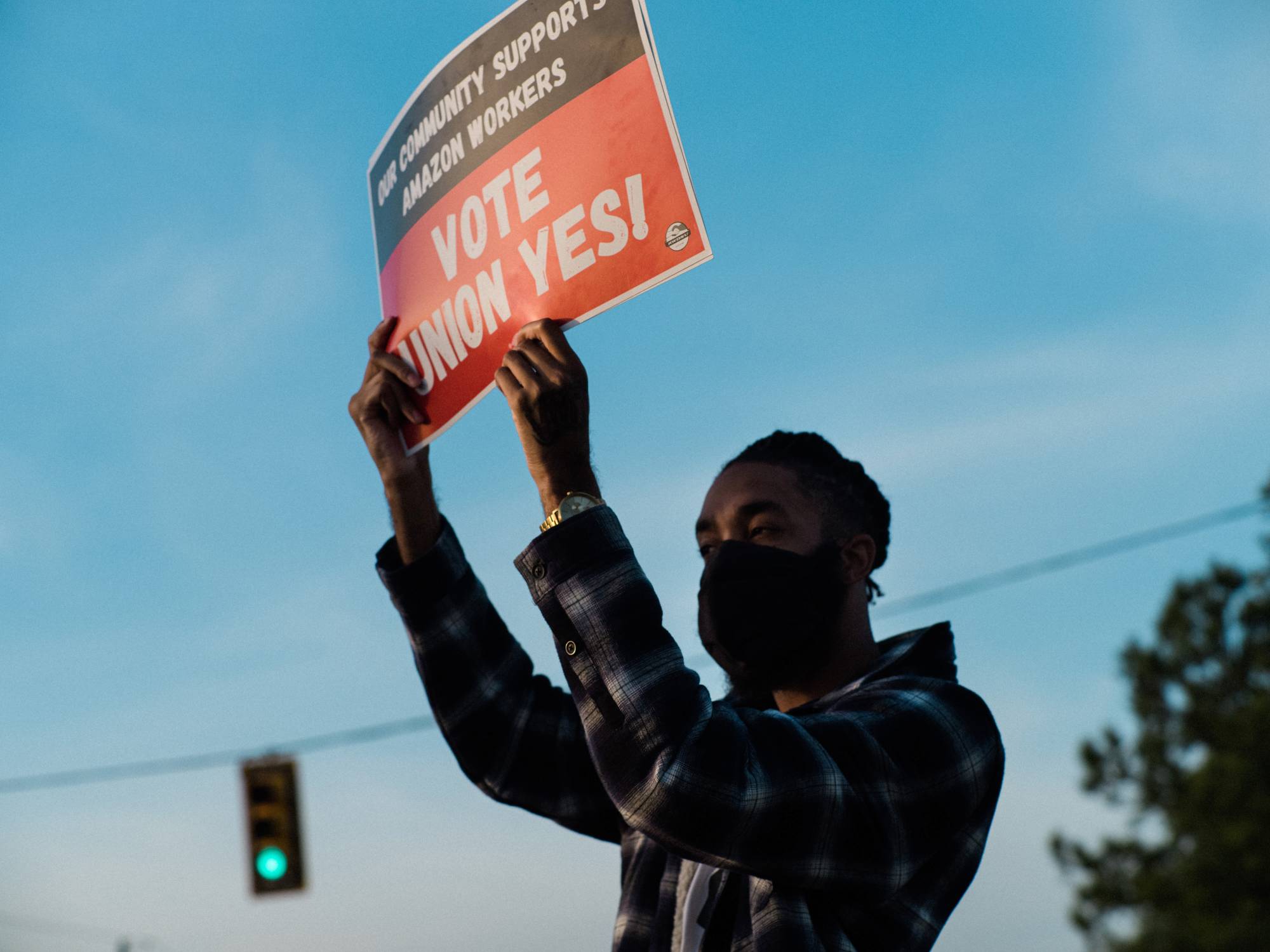
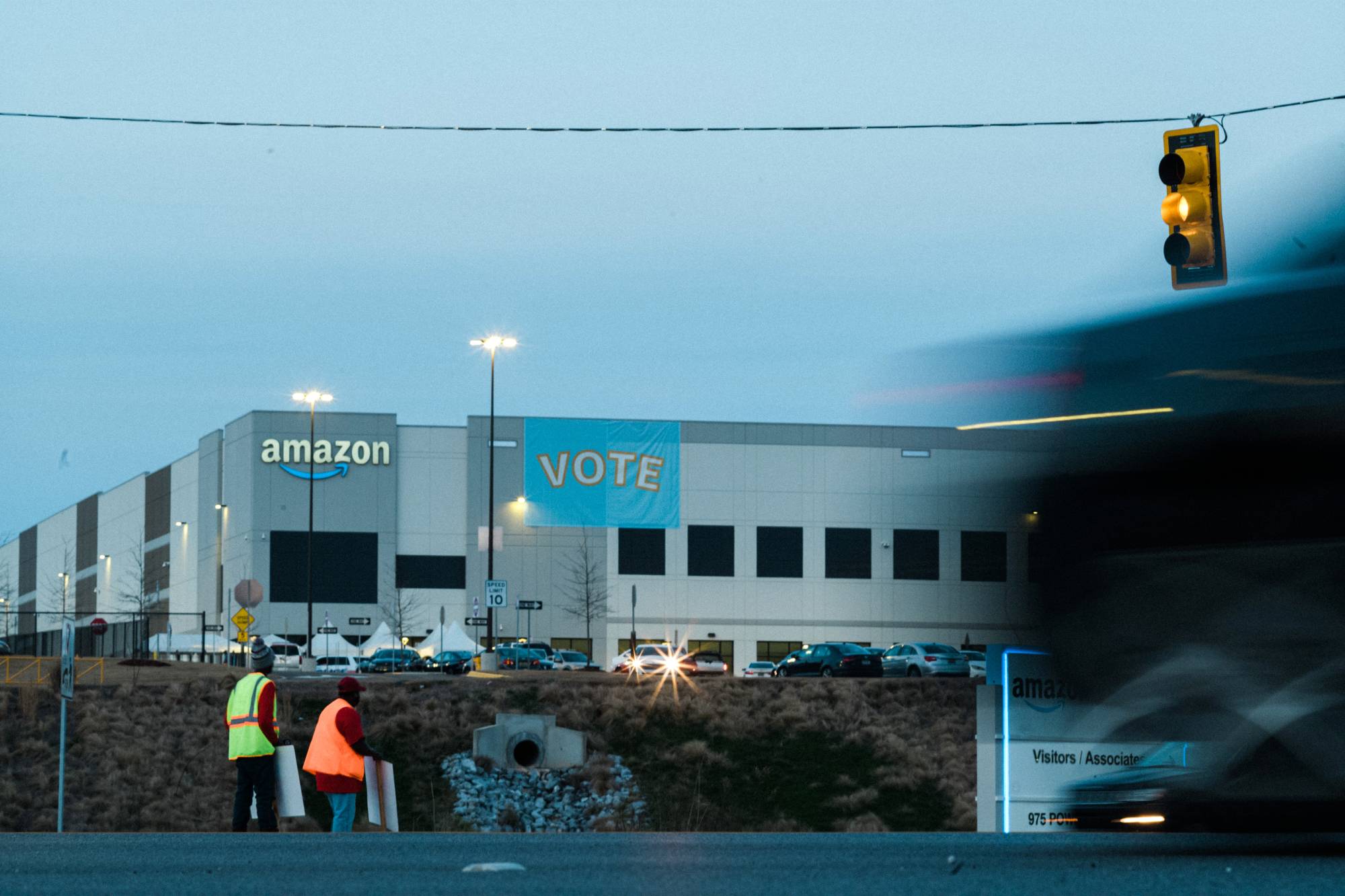
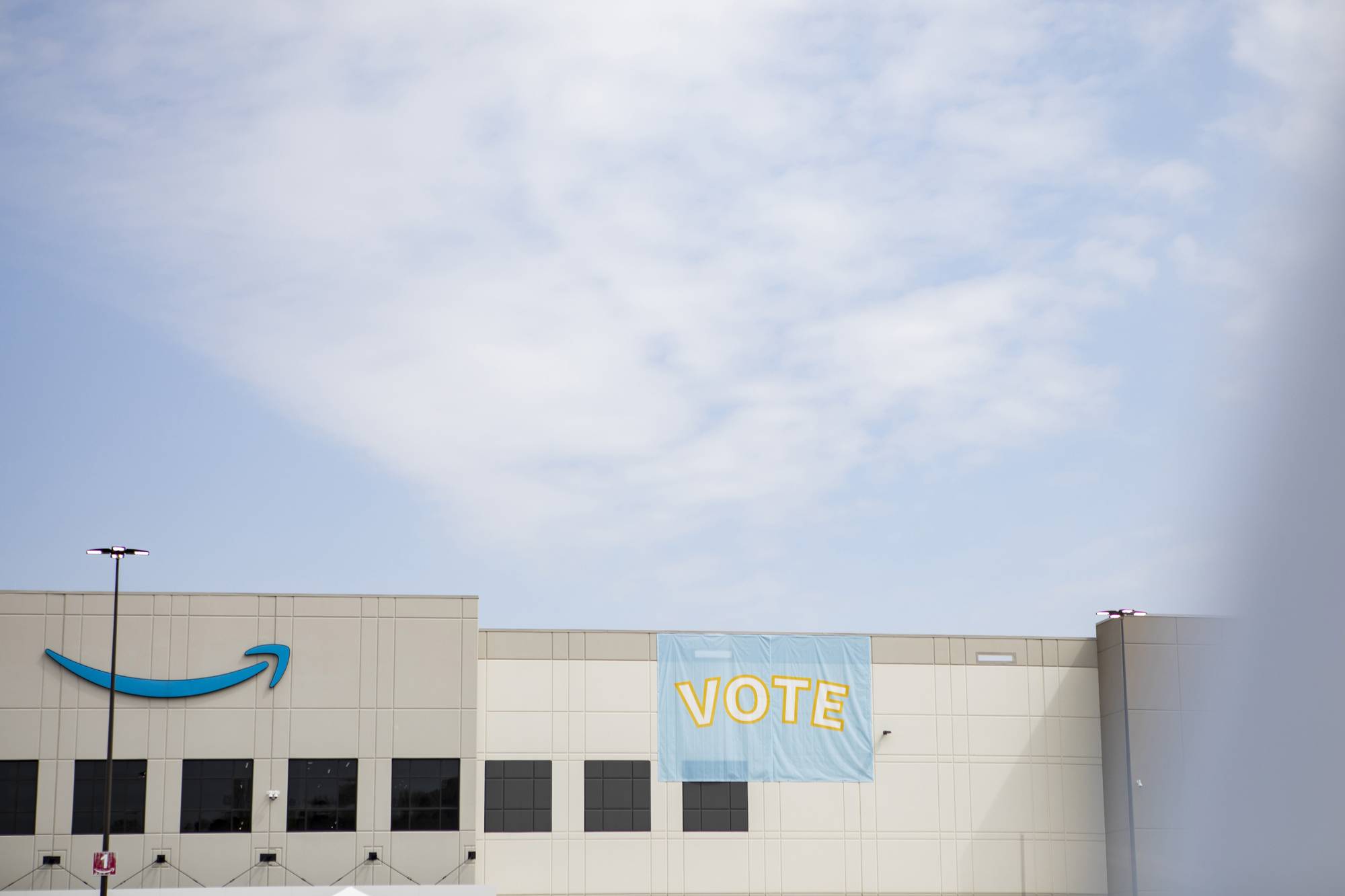
The lopsided vote against a union at Amazon’s warehouse in Bessemer, Alabama, was a major disappointment to organized labor, which regards the fight with Amazon as central to labor’s survival. Yet the defeat doesn’t mark the end of the campaign against Amazon so much as a shift in strategy.
In interviews, labor leaders said they would step up their informal efforts to highlight and resist the company’s business and labor practices rather than seek elections at individual job sites, as in Bessemer. The approach includes everything from walkouts and protests to public relations campaigns that draw attention to Amazon’s leverage over its customers and competitors.
“We’re focused on building a new type of labor movement where we don’t rely on the election process to raise standards,” said Jesse Case, secretary-treasurer of a Teamsters local in Iowa that is seeking to rally the state’s Amazon drivers and warehouse workers to pressure the company.
The strategy reflects a paradox of the labor movement: While the Gallup Poll has found that roughly two-thirds of Americans approve of unions — up from one-half at the low point in 2009 — it has rarely been more difficult to unionize a large company.
One reason is that labor law gives employers sizable advantages. The law typically forces workers to win elections at individual work sites of a company like Amazon, which would mean hundreds of separate campaigns. It allows employers to campaign aggressively against unions and does little to punish employers that threaten or retaliate against workers who try to organize.
KEYWORDS
In a time of both misinformation and too much information, quality journalism is more crucial than ever.
By subscribing, you can help us get the story right.
With your current subscription plan you can comment on stories. However, before writing your first comment, please create a display name in the Profile section of your subscriber account page.