


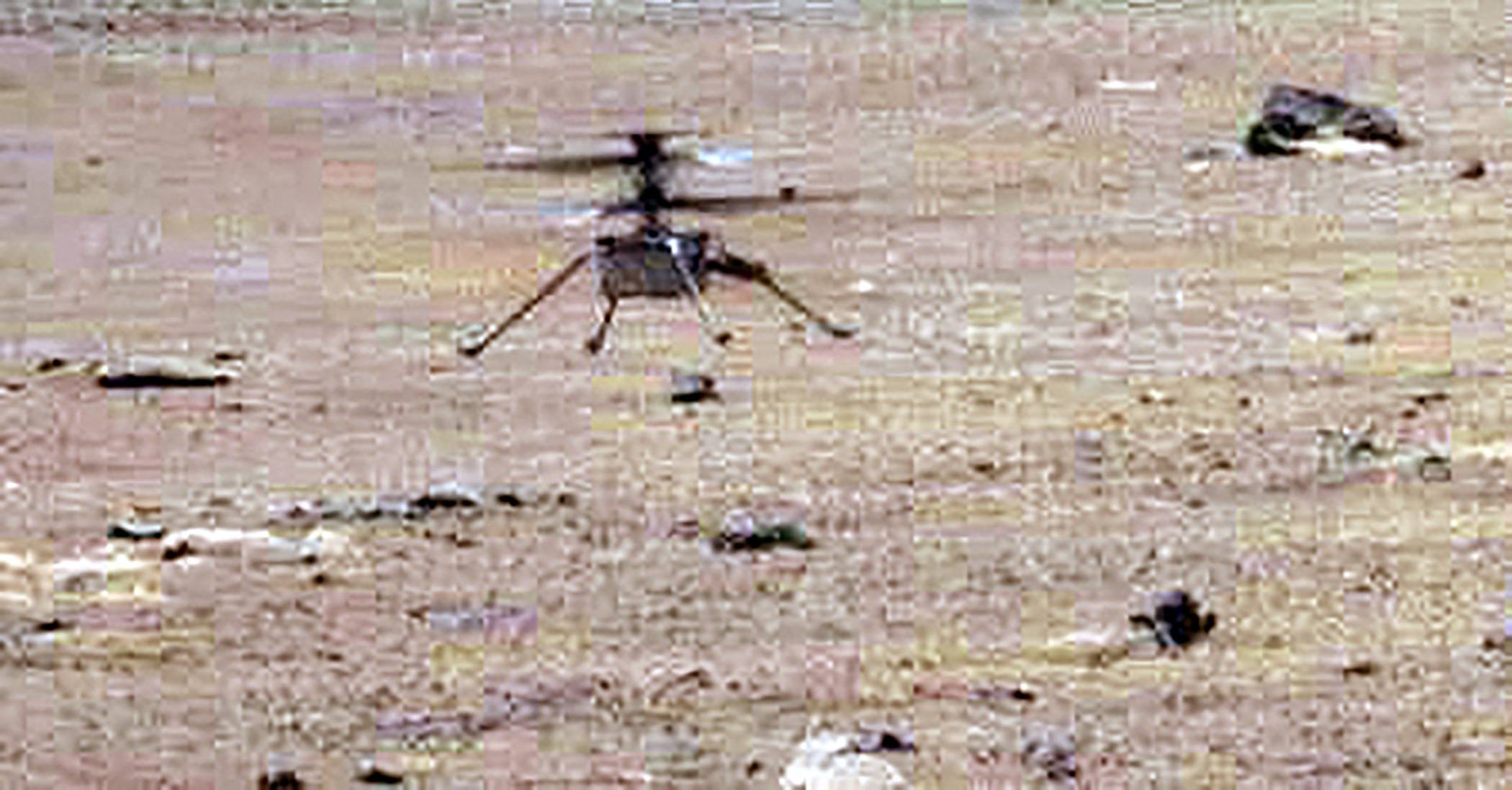
More than half a century after Neil Armstrong took mankind’s giant leap on the moon, another space race is heating up. This time, the promising new frontier for Earthlings is Mars, the planet next door.
A spate of robotic missions to the red planet, including NASA’s Perseverance rover this year and China’s Zhurong this month, have led to the inevitable question: When can humans follow? Unmanned missions over the decades have beamed a trove of information, including the presence of water ice on Mars, fueling expectations a human landing is possible. But how soon? And, are we ready?
NASA wants to send astronauts to Mars, perhaps at some point in the 2030s. The United Arab Emirates — which now has a spacecraft orbiting the planet — is promoting a 100-year plan to create a colony there. While China has said sending humans to Mars is its long-term goal, those eager for a taste of Martian life can visit a simulation site in the Gobi desert for now.
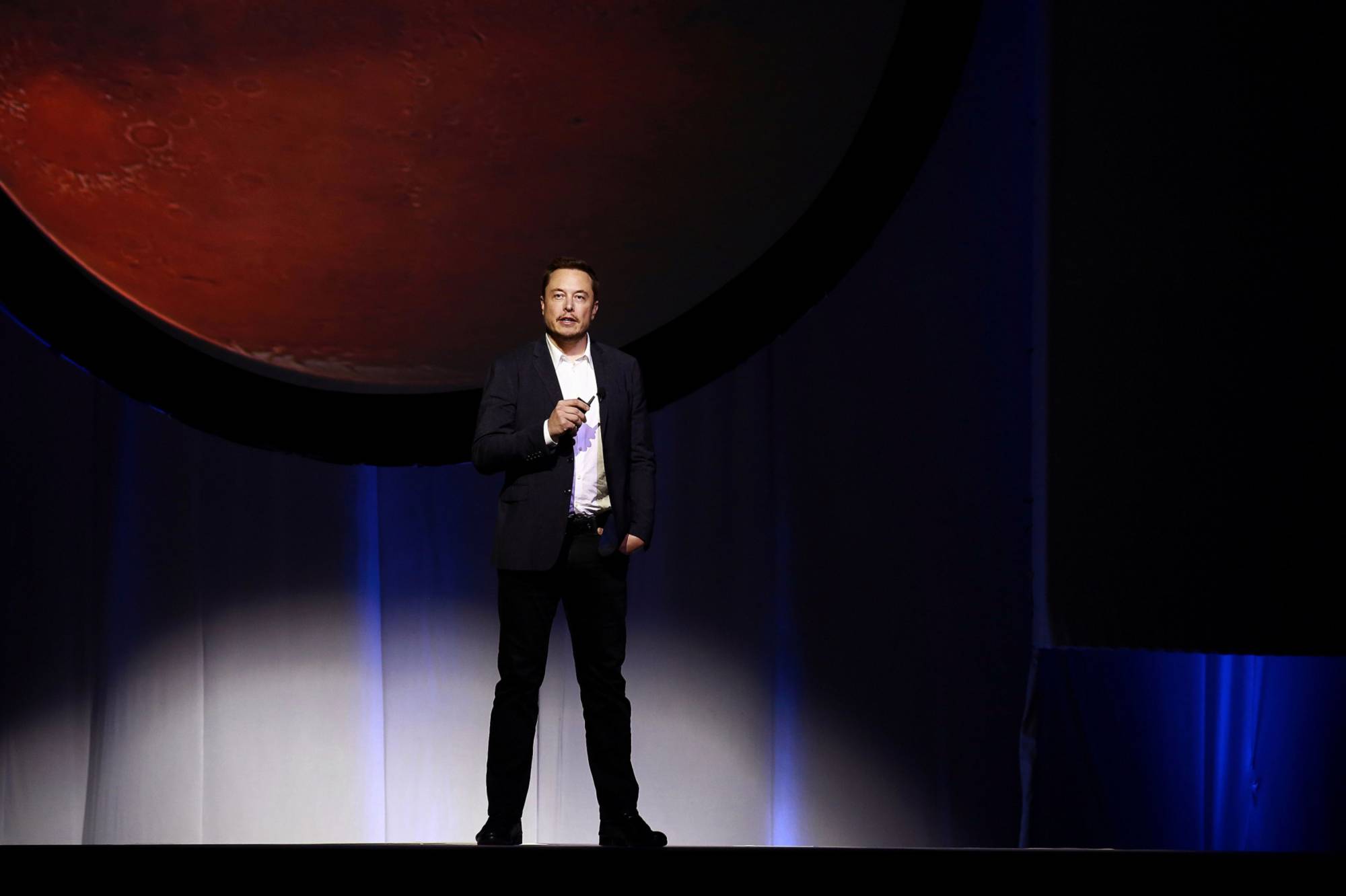
The most ambitious of them all is billionaire Elon Musk. The founder of Space Exploration Technologies Corp. wants to send humans this decade, saying in an interview last year that he was confident a crewed mission could take place in 2026. Many scientists, however, warn of too many unanswered questions confronting deep-space travel. Musk has also acknowledged the risks, saying “it’s tough sledding over there.”
“Honestly, a bunch of people probably will die at the beginning,” the tycoon said in an interview with X Prize Foundation founder Peter Diamandis.
In a time of both misinformation and too much information, quality journalism is more crucial than ever.
By subscribing, you can help us get the story right.
With your current subscription plan you can comment on stories. However, before writing your first comment, please create a display name in the Profile section of your subscriber account page.