


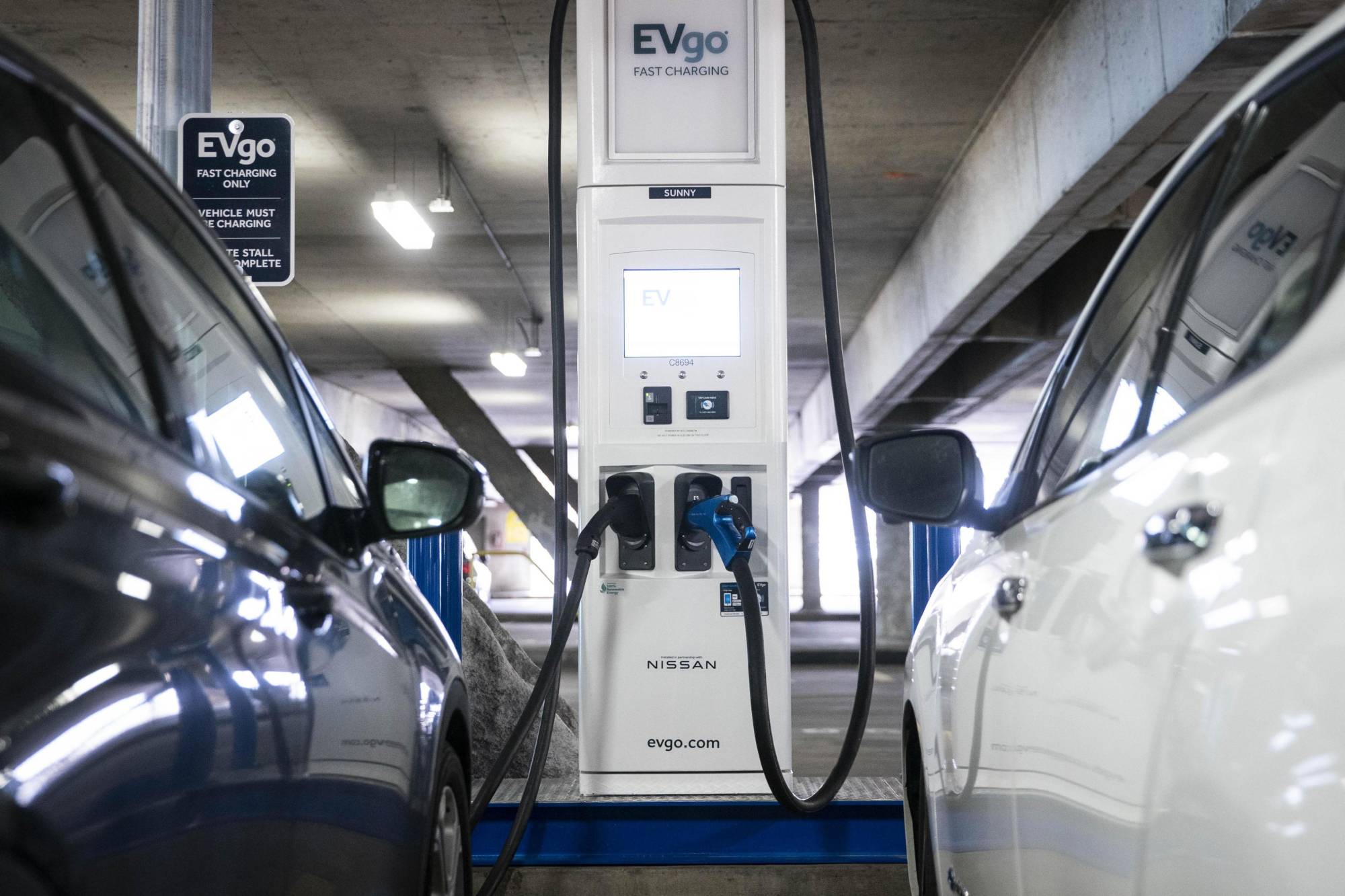
Gone are the days when Japan was dominant in semiconductor and battery production, industries that are increasingly relevant in the modern world.
The need to decarbonize the economy in line with global climate change efforts is serving as a wake-up call to Japanese manufacturers — as well as the government — forcing them to rise to the challenge of bolstering sectors that will be critically important to Japan meeting its emissions commitments while finding a competitive edge.
Losing the race would deal a serious blow to Japan at a time when automakers, the backbone of the country’s manufacturing base, are putting more electrified vehicles on the market, which will require more semiconductors and high-performing batteries.
The global chip shortage seen since late 2020 is a reminder that robust supply chains and longer-term procurement strategies hold the key to success in what is set to become an even more competitive market over the longer term, analysts say.
“Japan is far behind China and South Korea in the field of batteries for car use. I’m concerned that we will see a repeat of what happened to the domestic semiconductor and solar panel industries,” said a member of a government panel on carbon neutrality in the auto sector.
KEYWORDS
In a time of both misinformation and too much information, quality journalism is more crucial than ever.
By subscribing, you can help us get the story right.


With your current subscription plan you can comment on stories. However, before writing your first comment, please create a display name in the Profile section of your subscriber account page.