


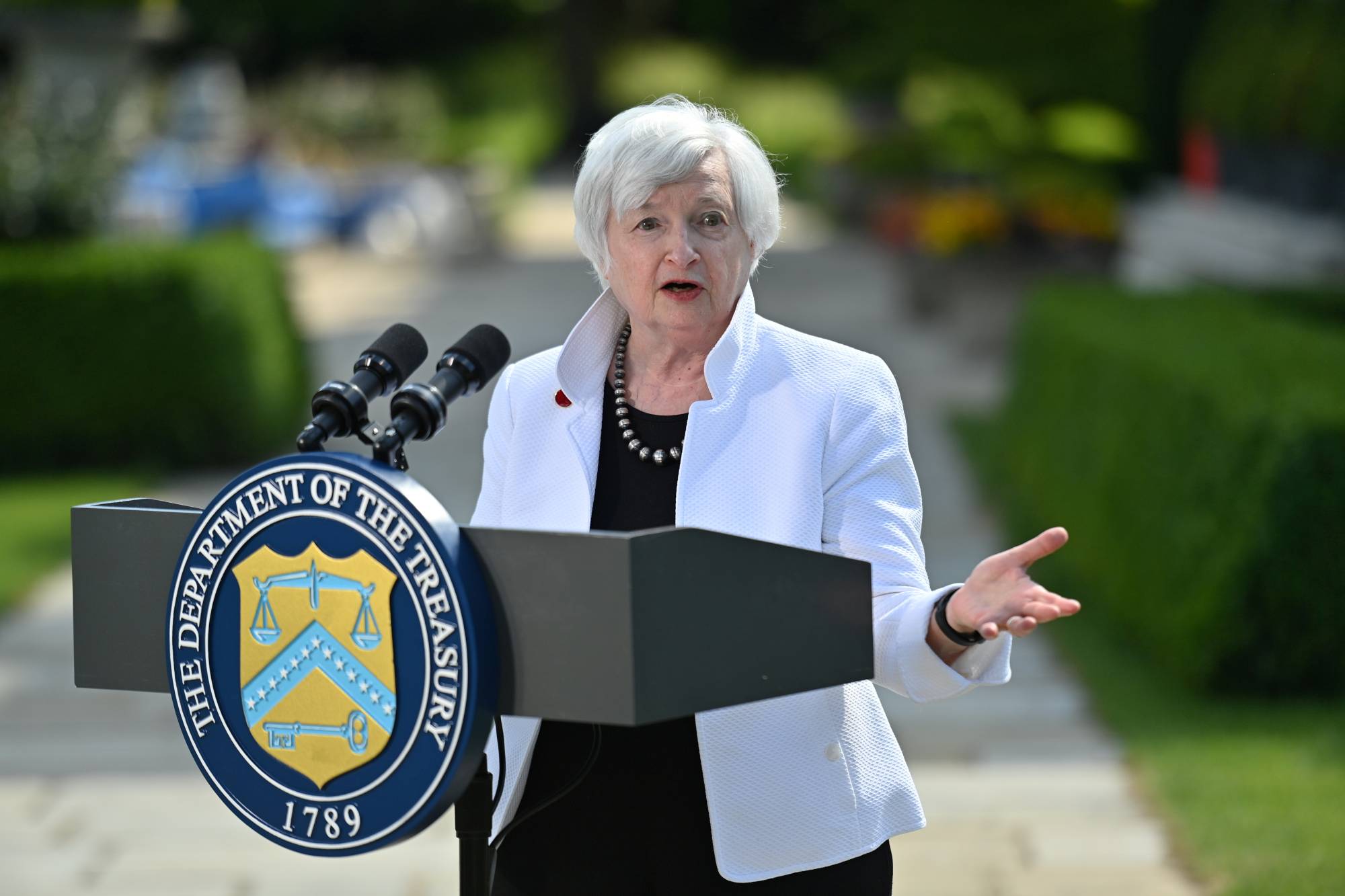
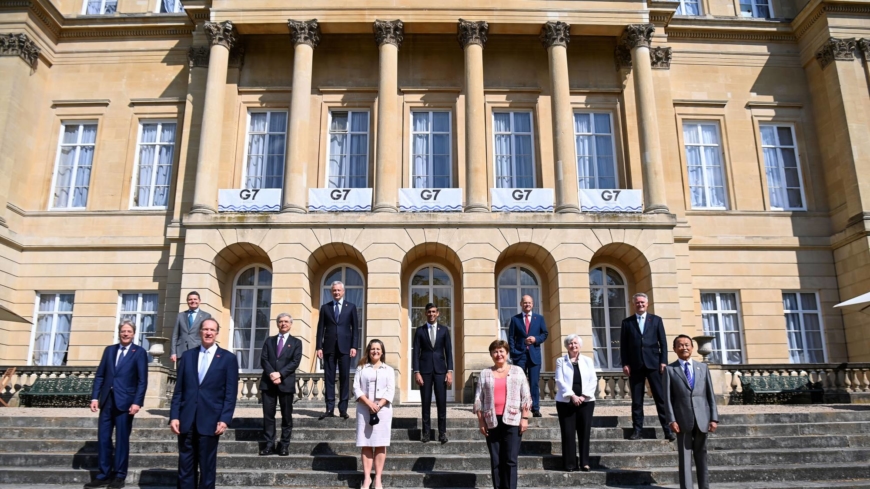
A tax deal between the world’s richest countries brings global governments a step closer to clawing back some power from technology giants that have used century-old regimes to build up wealth eclipsing the economies of most nations.
While a weekend accord struck by Group of Seven finance ministers aims to close the net around all major multinationals, the tech industry is particularly adept at taking advantage of the current system. That’s because its main assets — software code, patents and other intellectual property — are relatively easy to maneuver compared to physical assets.
The result has been that the likes of Facebook Inc., Amazon.com Inc. and Alphabet Inc.’s Google have paid effective tax rates which appeared on a long, steady march toward zero, much to the consternation of European governments in particular.
The pandemic has reinforced those concerns as nations propped up workers and bricks-and-mortar firms, while Big Tech’s reach and wealth expanded with people in lockdowns turning to their services for shopping, entertainment, work and socializing. Without power to tax, governments may not only lack revenues to rebuild, but also the capacity to influence investment flows and economic development.
Analysis by Bloomberg Economics last month showed that the median tax rate for the world’s top 50 firms slumped from 35.5% in 1990 to 17.4% last year. Facebook (12.2%) and Amazon (11.8%) both paid below that rate in 2020.
In a time of both misinformation and too much information, quality journalism is more crucial than ever.
By subscribing, you can help us get the story right.


With your current subscription plan you can comment on stories. However, before writing your first comment, please create a display name in the Profile section of your subscriber account page.