


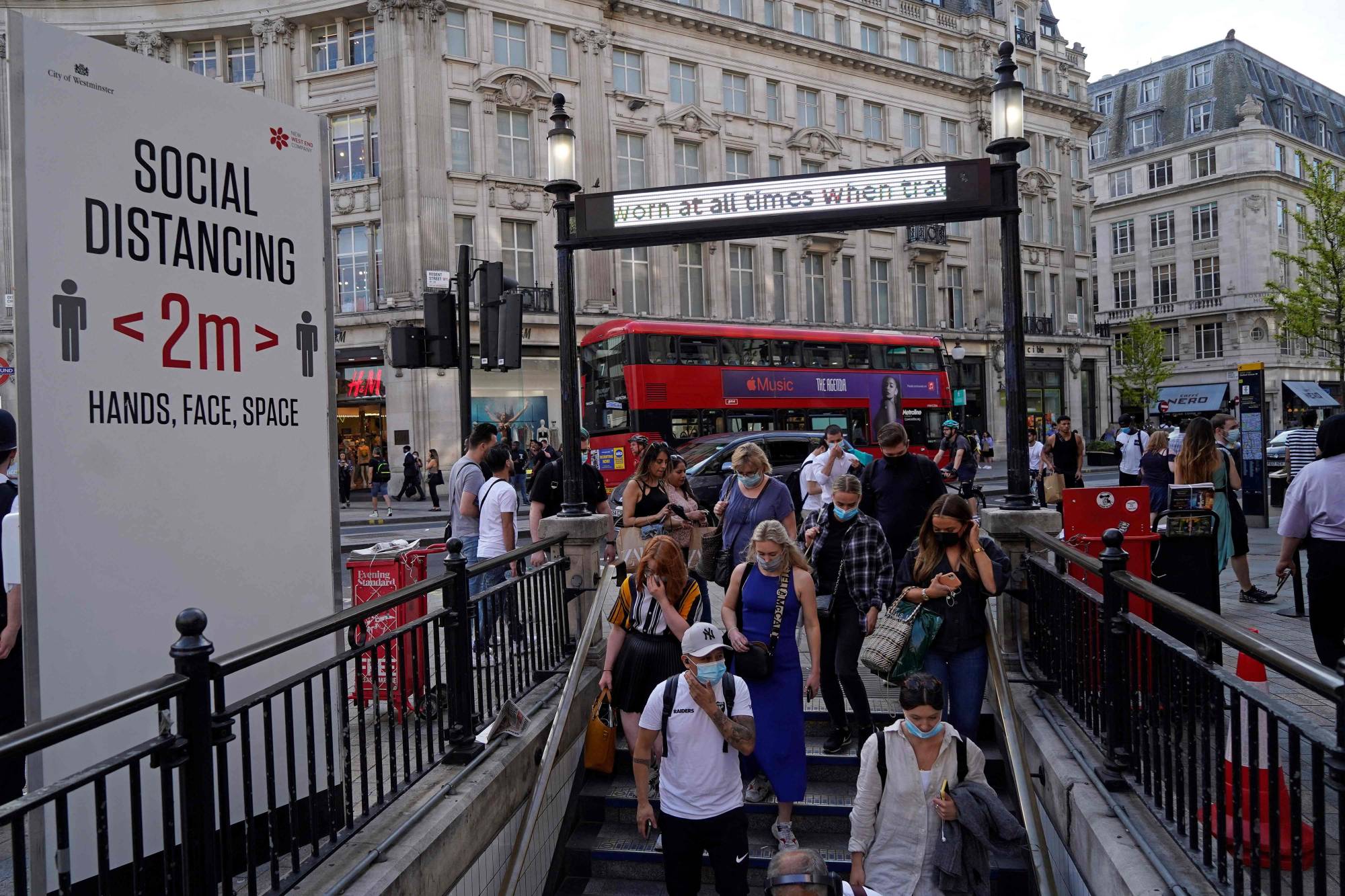
The coronavirus variant driving India’s devastating COVID-19 second wave is the most infectious to emerge so far. Doctors now want to know if it’s also more severe.
Hearing impairment, severe gastric upsets and blood clots leading to gangrene, symptoms not typically seen in COVID-19 patients, have been linked by doctors in India to the so-called delta variant. In England and Scotland, early evidence suggests the strain — which is also now dominant there — carries a higher risk of hospitalization.
Delta, also known as B.1.617.2, has spread to more than 60 countries over the past six months and triggered travel curbs from Australia to the U.S. A spike in infections, fueled by the delta variant, has forced the U.K. to reconsider its plans for reopening later this month, with a local report saying it may be pushed back by two weeks. Higher rates of transmission and a reduction in the effectiveness of vaccines have made understanding the strain’s effects especially critical.
“We need more scientific research to analyze if these newer clinical presentations are linked to B.1.617 or not,” said Abdul Ghafur, an infectious disease physician at the Apollo Hospital in Chennai, southern India’s largest city. Ghafur said he is seeing more COVID-19 patients with diarrhea now than in the initial wave of the pandemic.
‘New enemy’
KEYWORDS
In a time of both misinformation and too much information, quality journalism is more crucial than ever.
By subscribing, you can help us get the story right.
With your current subscription plan you can comment on stories. However, before writing your first comment, please create a display name in the Profile section of your subscriber account page.