


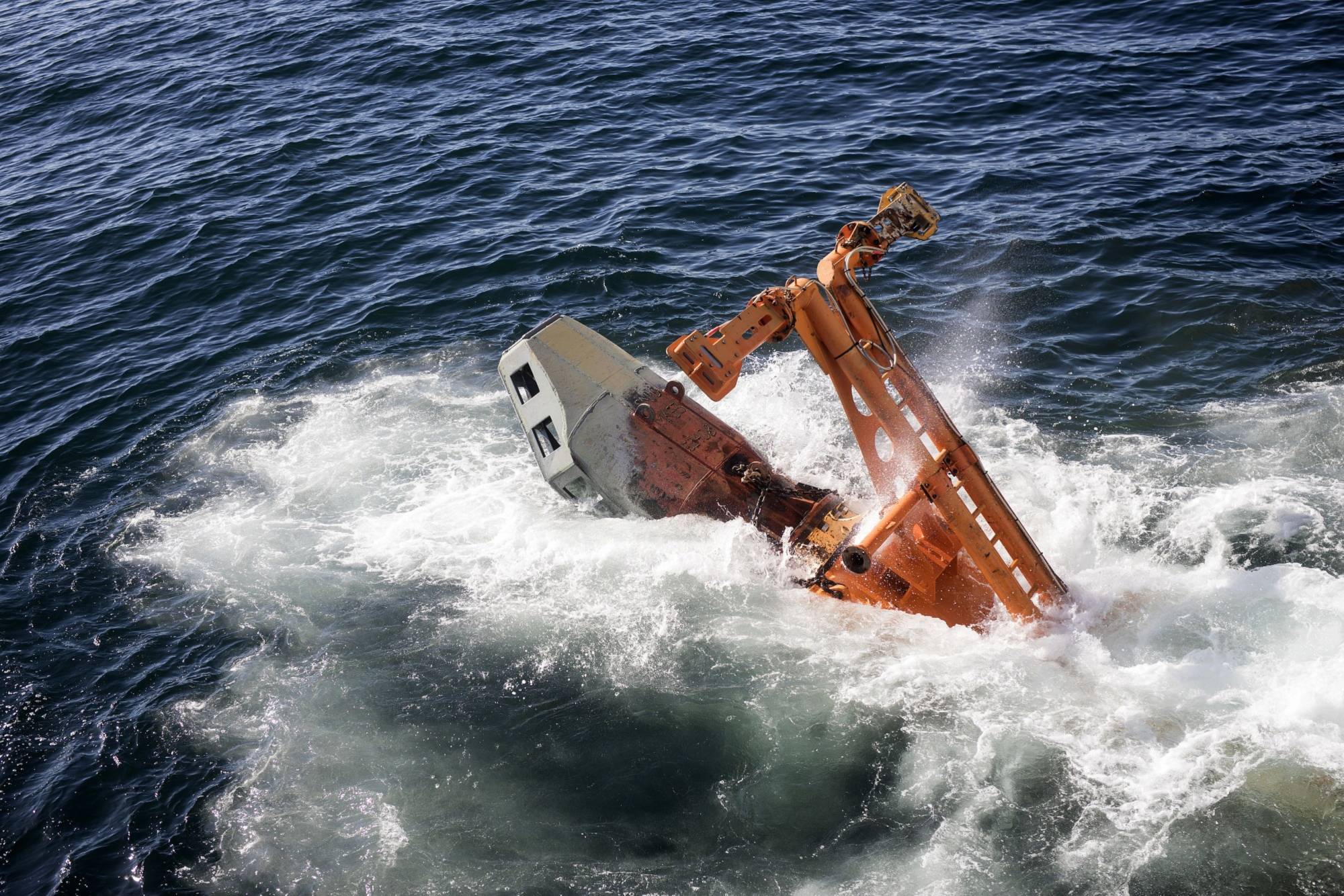
A seabed mining startup, DeepGreen Metals Inc., has successfully sold itself to investors as a game-changing source of minerals to make electric car batteries that can be obtained in abundance-and at great profit — while minimizing the environmental destruction of mining on land.
But there’s strong scientific evidence that the seabed targeted for mining is in fact one of the most biodiverse places on the planet — and increasing reason to worry about DeepGreen’s tantalizing promises. Bloomberg Green’s examination of corporate and legal filings, regulatory records and other documents raises questions about DeepGreen’s business plans. Previously undisclosed agreements with developing island states in the South Pacific show the company’s political and financial leverage over its partners, who are dependent on its expertise to exploit their seabed resources and obligated to ensure DeepGreen’s compliance with international environmental regulations.
For years, the Canadian-registered startup has been pitching a solution to climate change that can be found more than 3,900 meters below the sea. That’s where potato-sized polymetallic nodules rich in cobalt, nickel and copper cover the ocean floor by the billions. DeepGreen Chief Executive Officer Gerard Barron calls these nodules "a battery in a rock.”
The deep ocean holds the world’s largest estimated reserves of minerals, potentially worth trillions of dollars. While seabed mining remains technologically and commercially unproven, rising demand and prices for metals crucial to decarbonization are already unleashing a gold rush to the bottom of the sea. The minerals can be gently extracted, at least according to DeepGreen’s public relations campaign, thus avoiding the toll of terrestrial mining and powering the transition to a clean-energy future.
In a statement, DeepGreen said it doesn’t view mining on land or underwater as sustainable. "The only path to sustainable metals is to build up enough metal stock to shift away from mined to recycled metals,” says Dan Porras, the company’s head of communications and brand. He added: "Our stated objective is to inject enough primary metal stock into the system to enable this shift … and exit primary extraction as soon as possible.”
KEYWORDS


In a time of both misinformation and too much information, quality journalism is more crucial than ever.
By subscribing, you can help us get the story right.
With your current subscription plan you can comment on stories. However, before writing your first comment, please create a display name in the Profile section of your subscriber account page.