


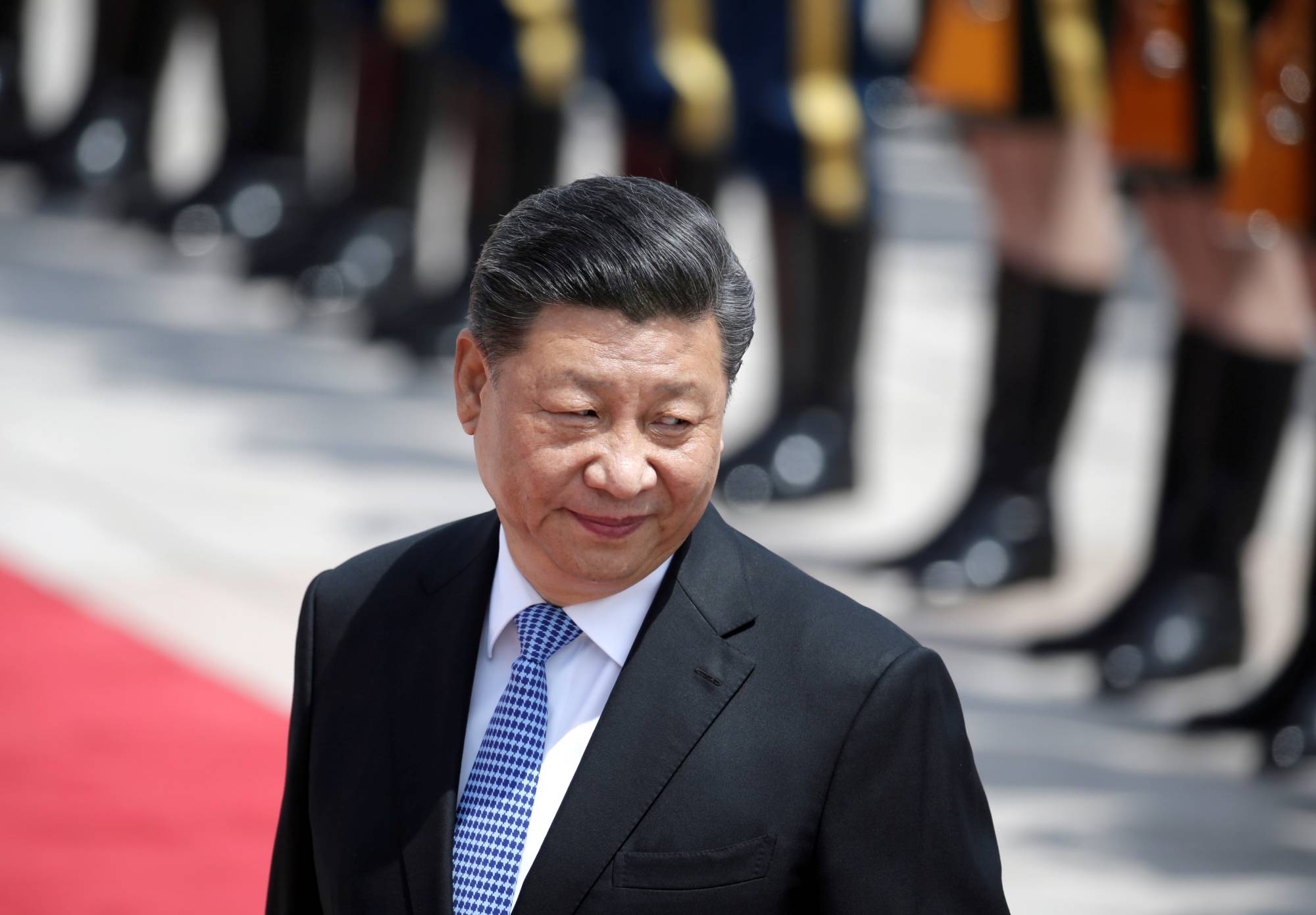
Xi Jinping smiled and hinted at a policy bombshell that would soon roil stock markets from Shanghai to New York.
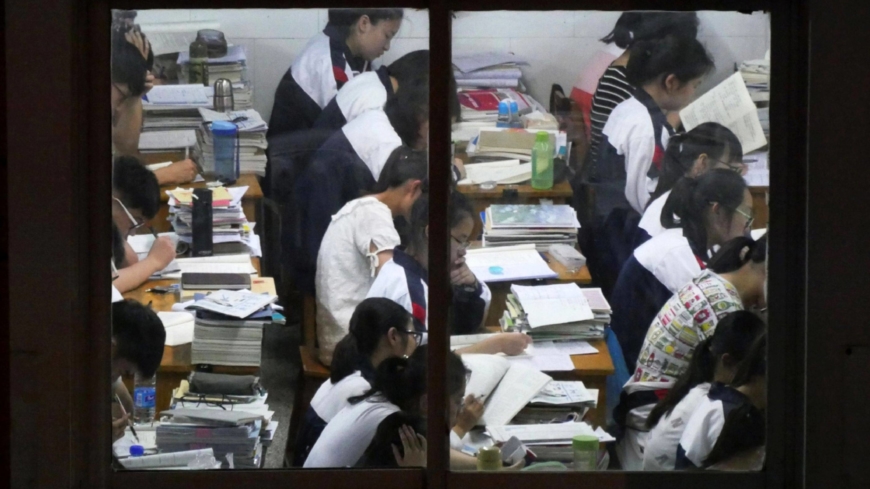
It was mid-June, and the most powerful Chinese Communist Party leader since Mao Zedong was holding court at an after-school club for elementary students in the remote city of Xining. Acknowledging the growing pressure on students and their parents to spend time and money on private tutoring, Xi promised to ease their burden.
“We must not have out-of-school tutors doing things in place of teachers,” he said. “Now, the education departments are rectifying this.”
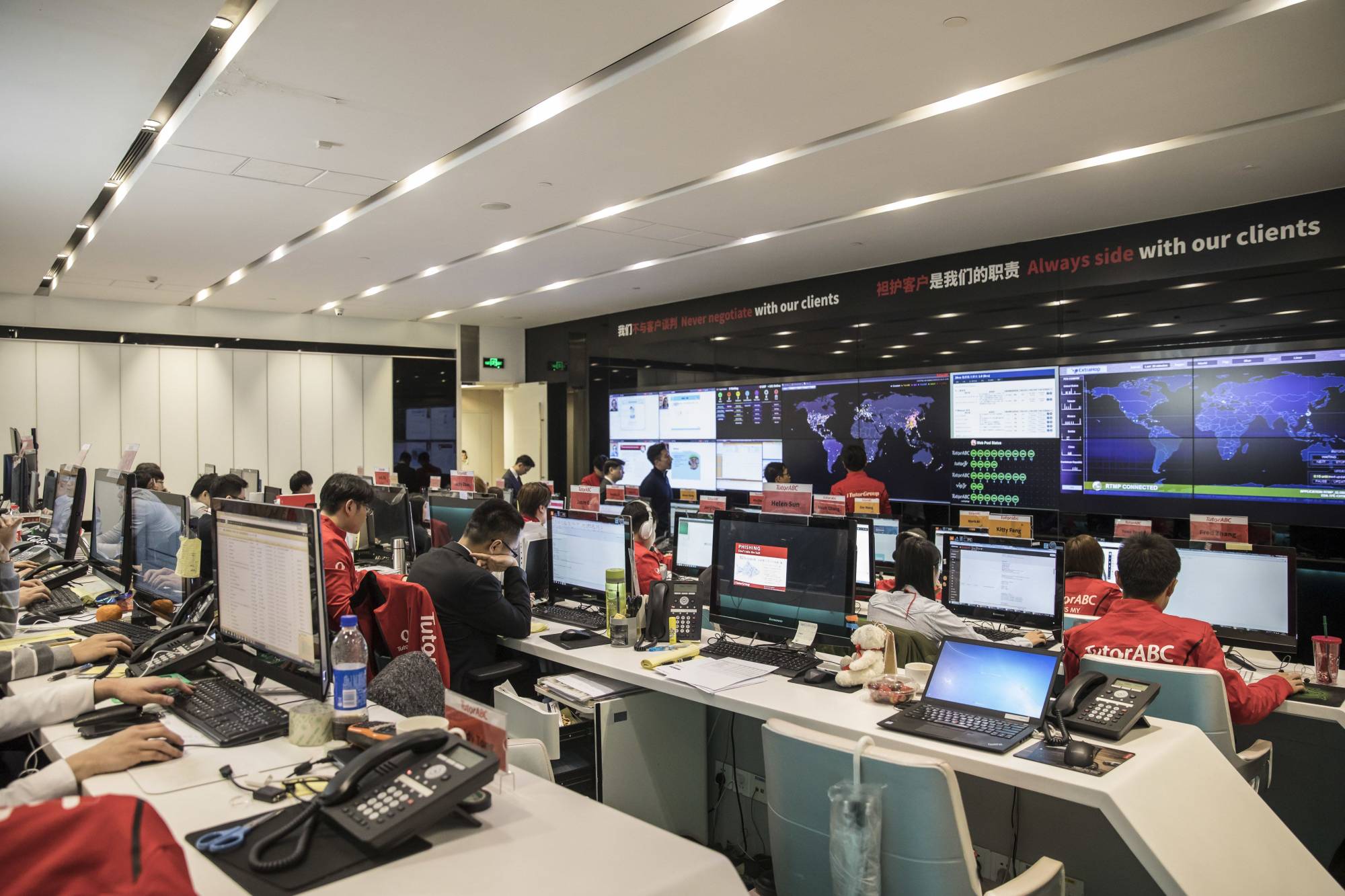
While Xi’s comments went largely unnoticed by global investors at the time, the crackdown on tutoring companies that followed has become the starkest illustration yet of the Chinese president’s commitment to a sweeping new vision for the world’s second-largest economy — one where the interests of investors take a distant third place to ensuring social stability and national security.
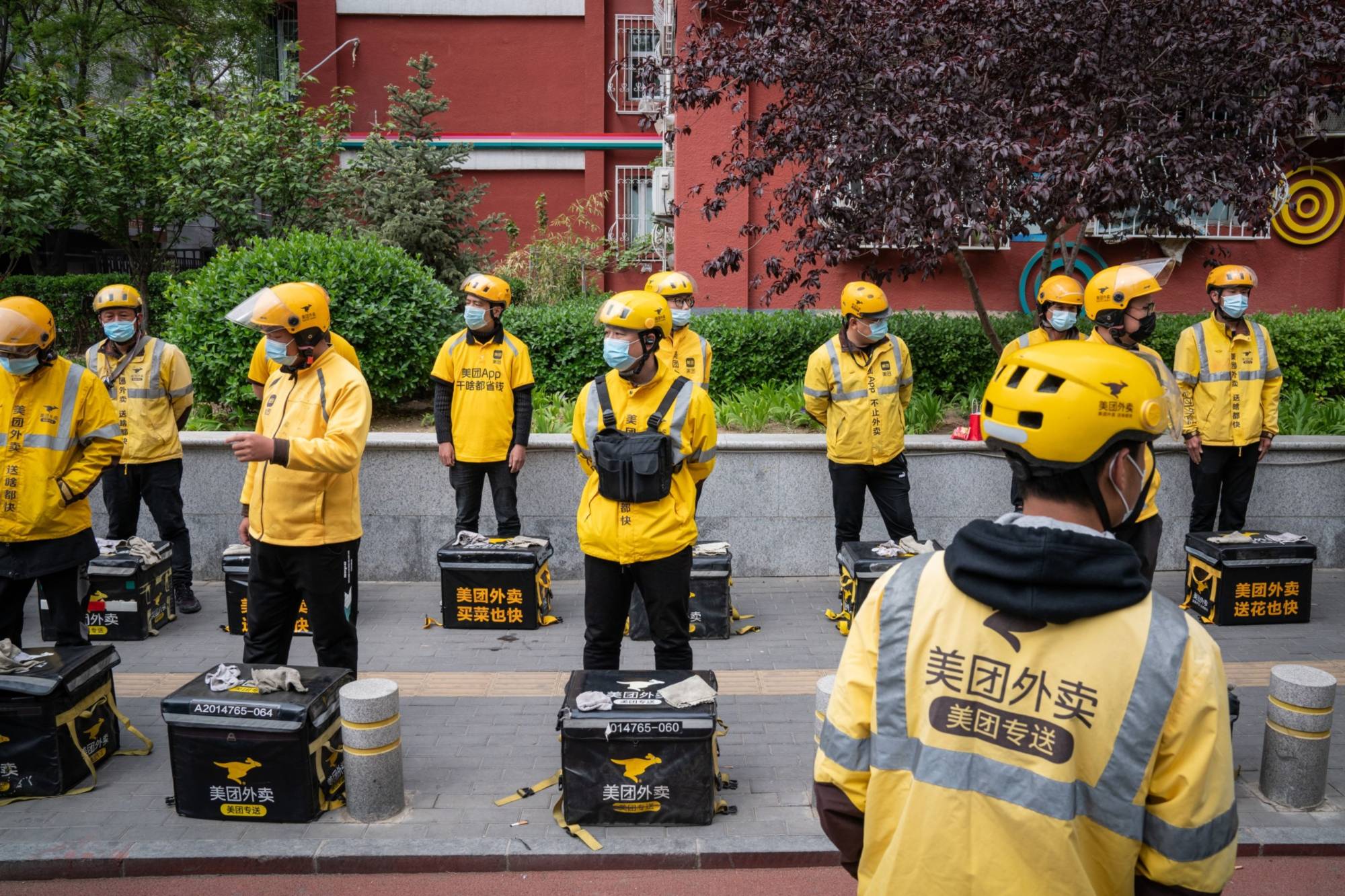
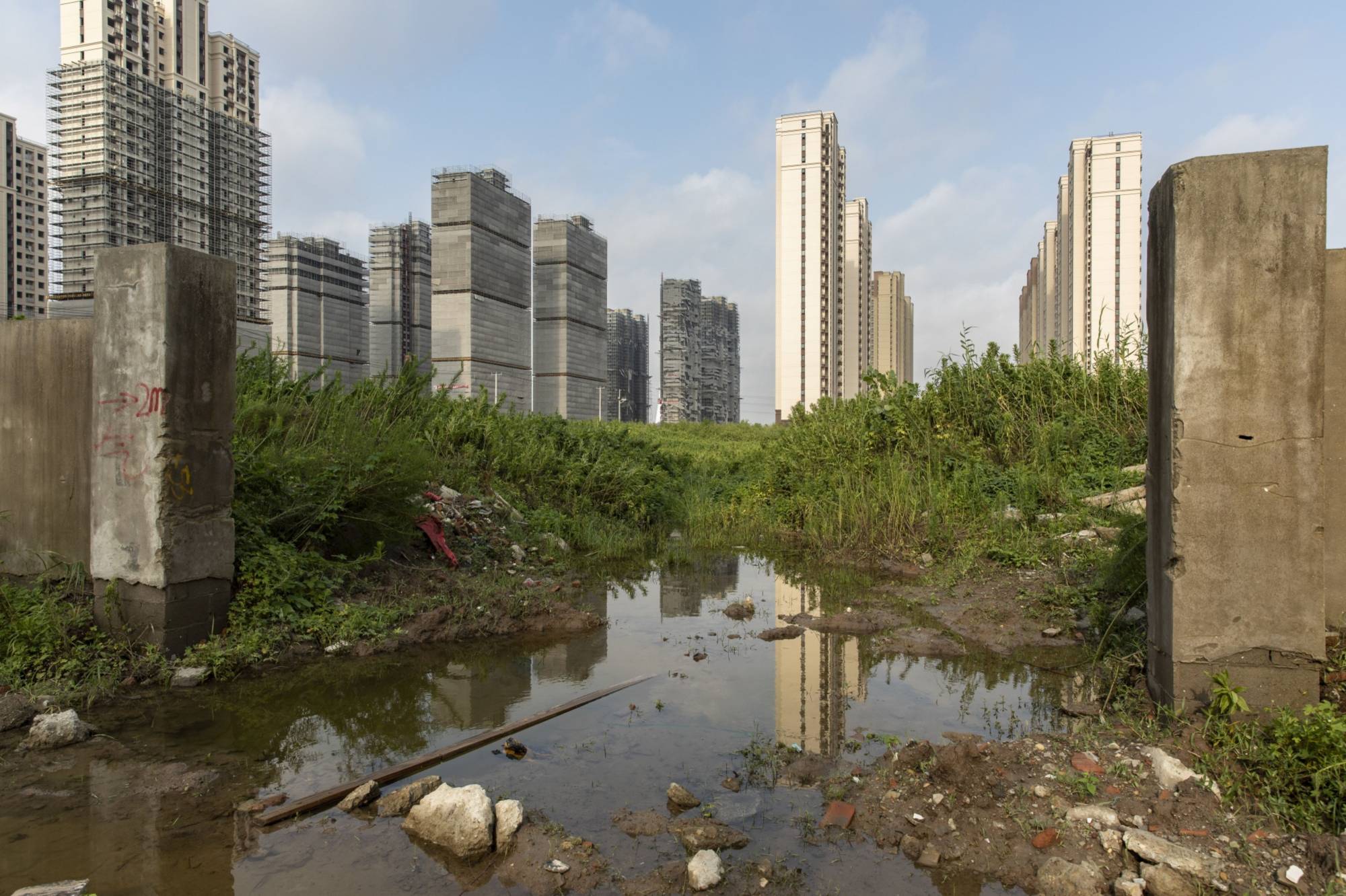
Call it progressive authoritarianism. From exhausted couriers in the gig economy, to stressed parents struggling with ever-rising housing prices and tuition fees, to small businesses battling tech monopolies, Xi is swinging the cudgel of state power in support of the squeezed middle class. These challenges aren’t unique to China, but the policy response has been.
KEYWORDS
In a time of both misinformation and too much information, quality journalism is more crucial than ever.
By subscribing, you can help us get the story right.
With your current subscription plan you can comment on stories. However, before writing your first comment, please create a display name in the Profile section of your subscriber account page.