


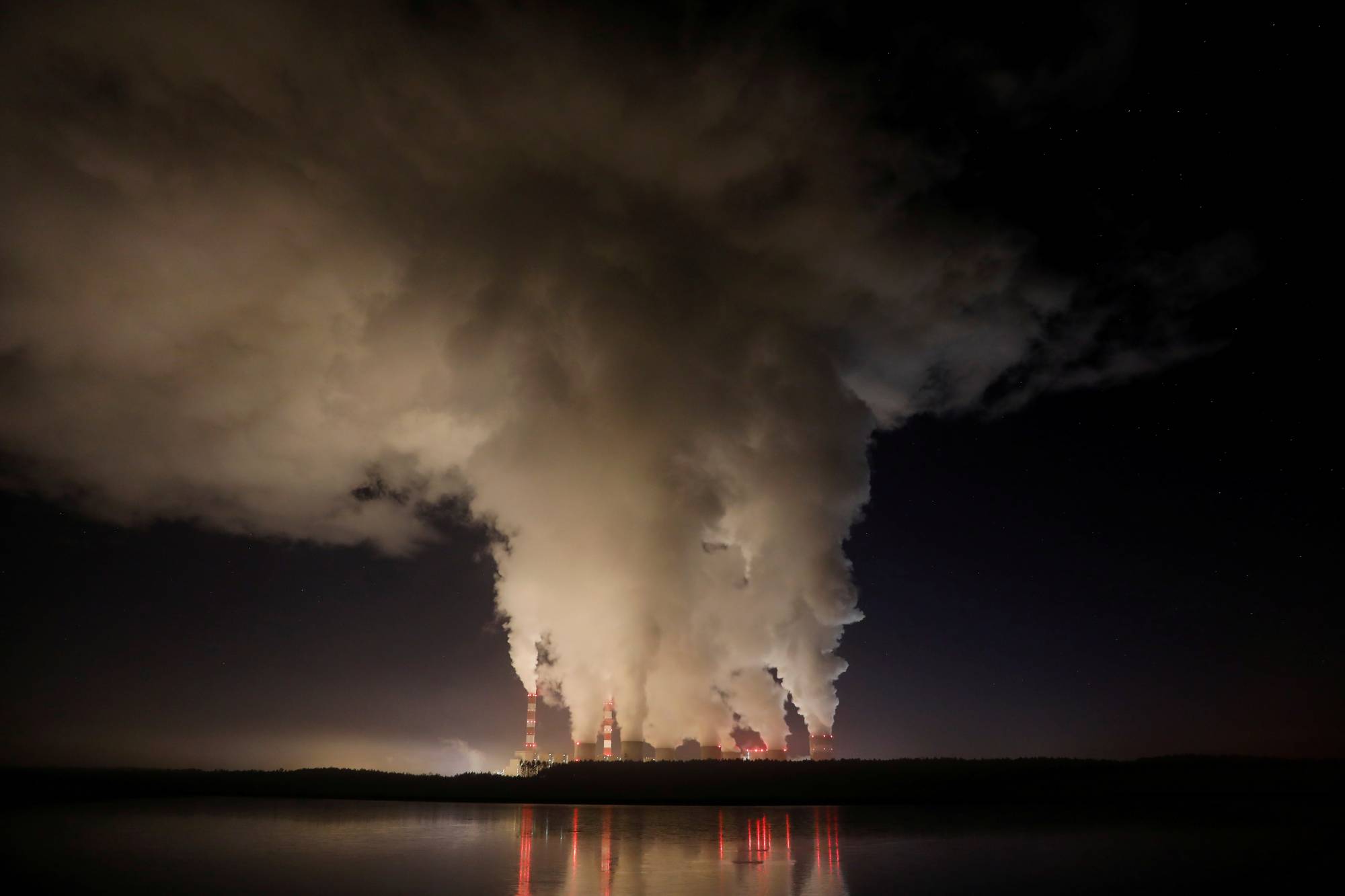
A landmark report by climate scientists released Monday will ratchet up the pressure on world leaders to rapidly end the use of polluting fossil fuels. The authors warned that time is fast running out to stop global warming from exceeding 1.5 degrees Celsius, the lower end of the temperature targets agreed to in the 2015 Paris Agreement.
The report was signed off on by representatives from United Nations Intergovernmental Panel on Climate Change’s nearly 200 member countries, a roster that includes climate laggards who haven’t yet set targets for lowering emissions that are in line with Paris goals. Few diplomats or leaders from these countries, however, have so far responded publicly to the IPCC’s findings.
One of the few that has spoken up is India, the world’s third-largest emitter. Bhupendra Yadav, India’s environment minister, took to Twitter on Monday to press the case that countries with the greatest historical emissions — mostly wealthier economies in North America and Europe — should carry the largest share of the burden now. The report, he said, should add force to calls for rich countries to shrink their carbon footprints.
India’s government also reiterated its argument that emissions should be measured on a per capita basis. As India is the second-most populous nation, its emissions per head are extremely low.
Some of the most important readers of the IPCC’s 3,949-page report — or at least the more manageable “summary for policymakers” — will soon be headed to Glasgow, Scotland, for COP26 climate talks, also organized by the U.N. In less than three months’ time, U.K. Prime Minister Boris Johnson will host negotiations aimed at limiting global temperature rise, which is already causing wildfires and flooding around the world.
KEYWORDS

In a time of both misinformation and too much information, quality journalism is more crucial than ever.
By subscribing, you can help us get the story right.
With your current subscription plan you can comment on stories. However, before writing your first comment, please create a display name in the Profile section of your subscriber account page.