


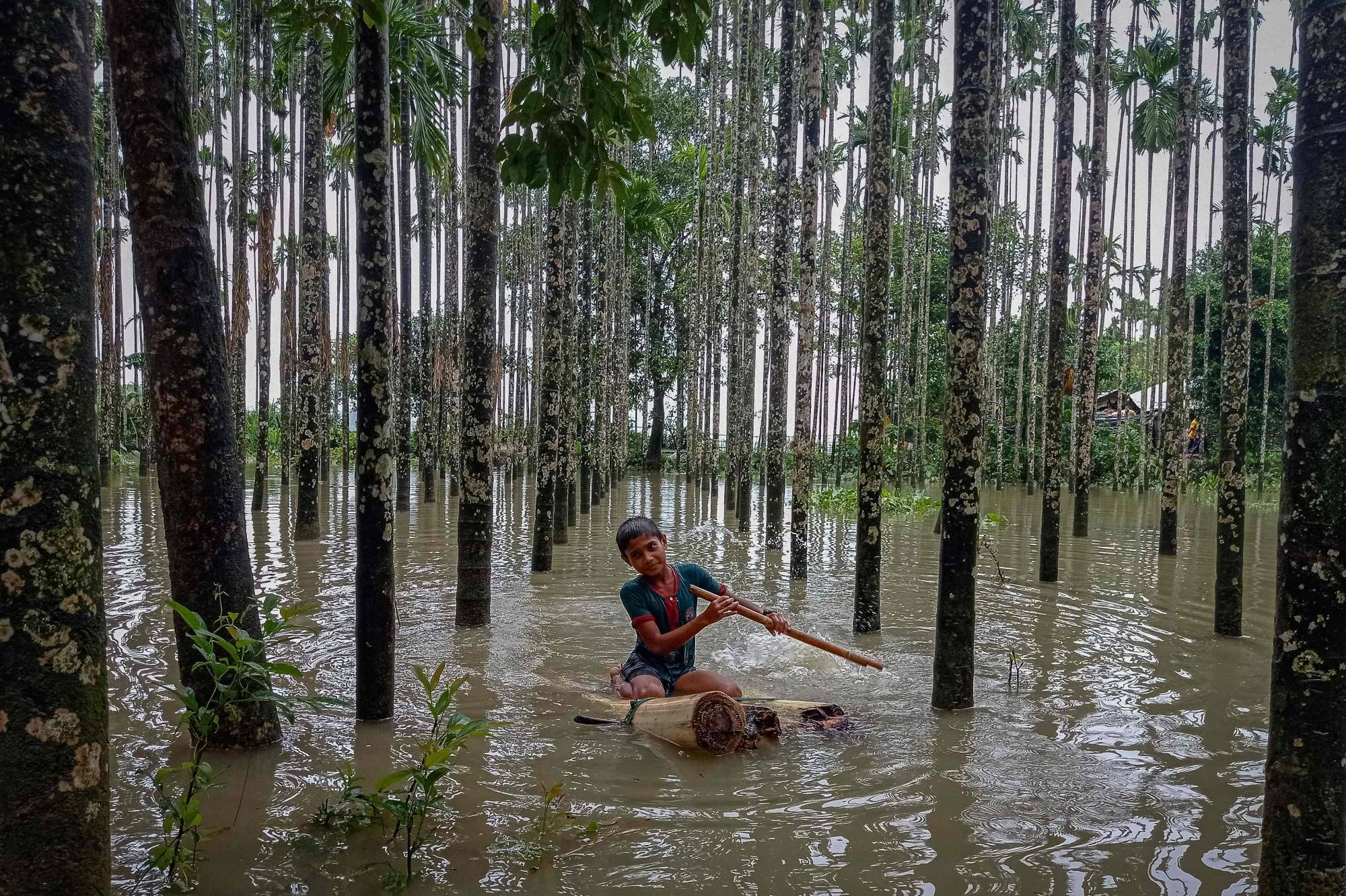
BEIRUT – This month’s hard-hitting report from the U.N. climate science panel sounded the alarm on the surging impacts of global warming — but its authors and independent researchers said it did not provide enough insight on threats in poorer parts of the world.
Despite progress in recent years, the Intergovernmental Panel on Climate Change (IPCC) still relies primarily on lead authors and research from Europe, North America and Oceania, making its findings less relevant to developing nations.
“It is by far the biggest and the best collaborative global scientific enterprise that mankind has done — but it still has certain blind spots,” said Saleemul Huq, head of the Bangladesh-based International Center for Climate Change and Development.
One of those blind spots is reflected in the composition of the latest report’s 234 authors, who come from 66 countries but are mostly based in rich nations including the United States, Britain, Germany and Australia.
Only 35% of the authors working on the sixth assessment report — the current series that will culminate in a synthesis due to be finalized in September next year — hail from developing countries, according to a study published in the MDPI journal Climate, up from 31% for the fifth assessment report.
KEYWORDS
In a time of both misinformation and too much information, quality journalism is more crucial than ever.
By subscribing, you can help us get the story right.

With your current subscription plan you can comment on stories. However, before writing your first comment, please create a display name in the Profile section of your subscriber account page.