


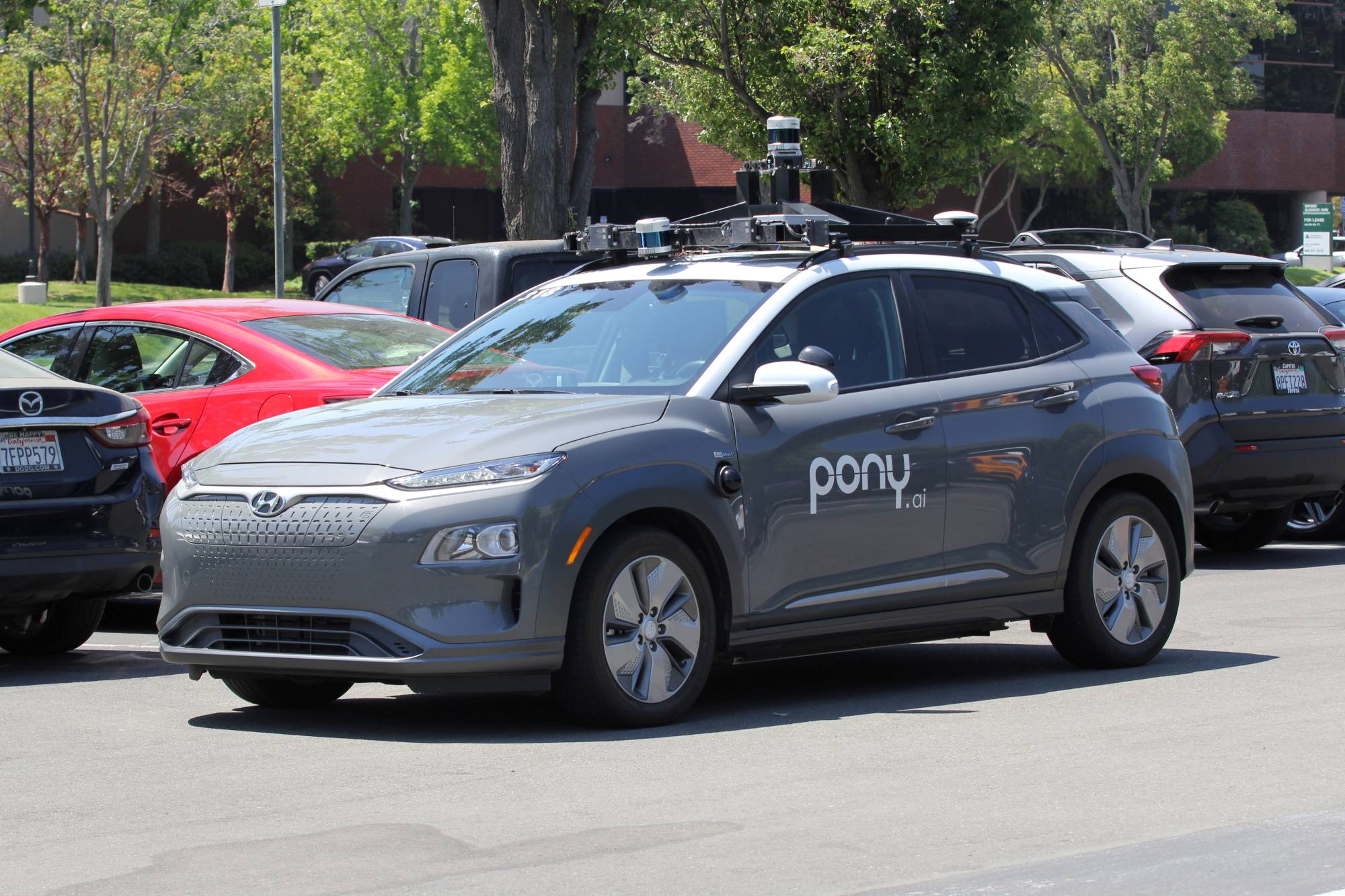
FREMONT, California – Self-driving startups like Cruise and Pony.ai have begun testing their driverless cars in some parts of California in the past year with an additional feature: human operators.
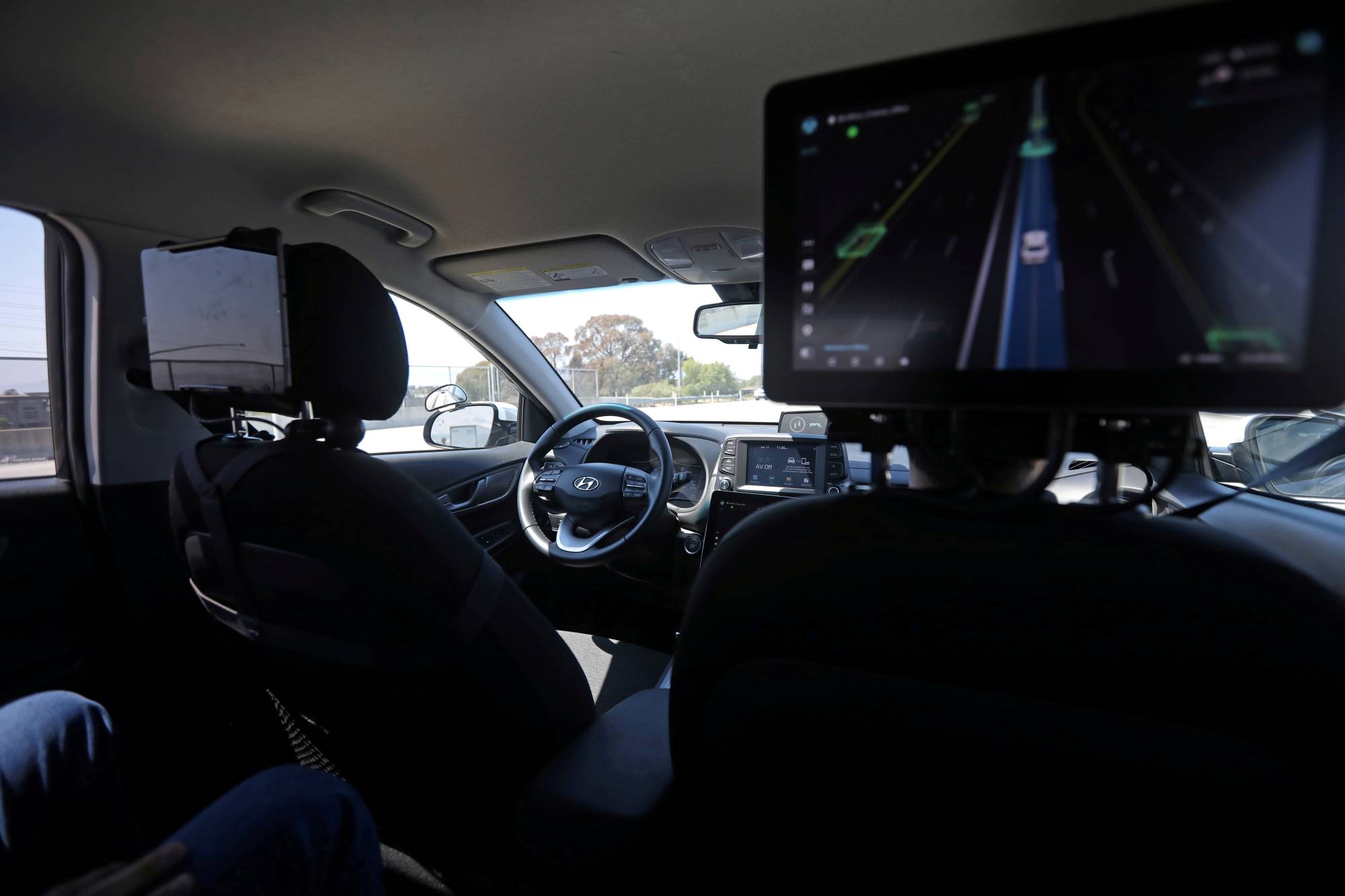
While there is no driver behind the wheel, the passenger seat is occupied by a safety operator who “has a red button that can stop the vehicle just in case anything happens,” Pony.ai CEO James Peng said.
The operator will be removed next year when Pony.ai, whose investors include Toyota Motor Corp., plans to deploy its driverless ride-hailing vehicles in certain areas of California. Still, a remote operator will monitor vehicles and provide guidance when the vehicles run into trouble, Peng said.
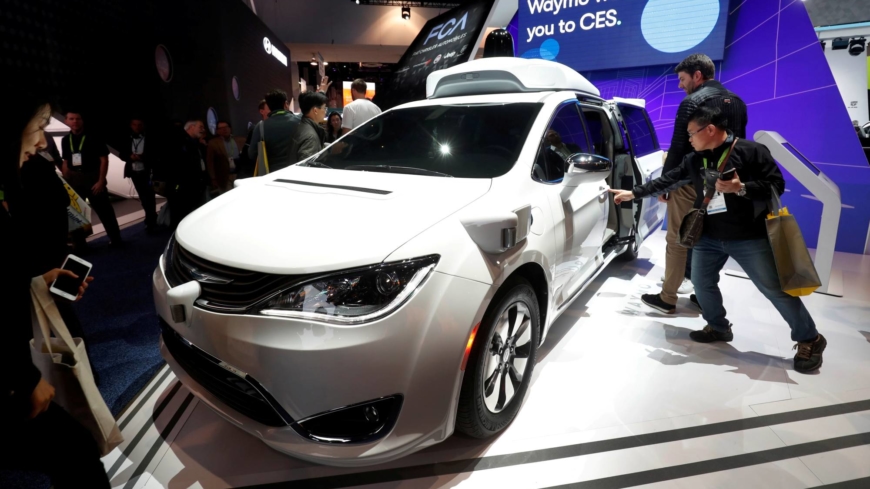
Alphabet Inc.’s Waymo keeps personnel wearing fluorescent yellow vests at the ready to provide roadside assistance for its automated minivans in Phoenix, according to videos and to one of its avid riders, Joel Johnson, who has witnessed this.
Cruise, majority-owned by General Motors Co., started operating five driverless vehicles in San Francisco at night in October 2020 with a human in the front seat. The minder has “the ability to stop the vehicle at any point during the ride,” a Cruise spokesman said.
KEYWORDS
In a time of both misinformation and too much information, quality journalism is more crucial than ever.
By subscribing, you can help us get the story right.

With your current subscription plan you can comment on stories. However, before writing your first comment, please create a display name in the Profile section of your subscriber account page.