


GENEVA – The number of disasters, such as floods and heat waves, driven by climate change have increased fivefold over the past 50 years, killing more than 2 million people and costing $3.64 trillion in total losses, a U.N. agency said on Wednesday.
The World Meteorological Organization (WMO) says its “Atlas” is the most comprehensive review of mortality and economic losses from weather, water and climate extremes ever produced.
It surveys some 11,000 disasters occurring between 1970 and 2019, including major catastrophes such as Ethiopia’s 1983 drought, which was the single most fatal event with 300,000 deaths, and Hurricane Katrina in 2005 that was the most costly, with losses of $163.6 billion.
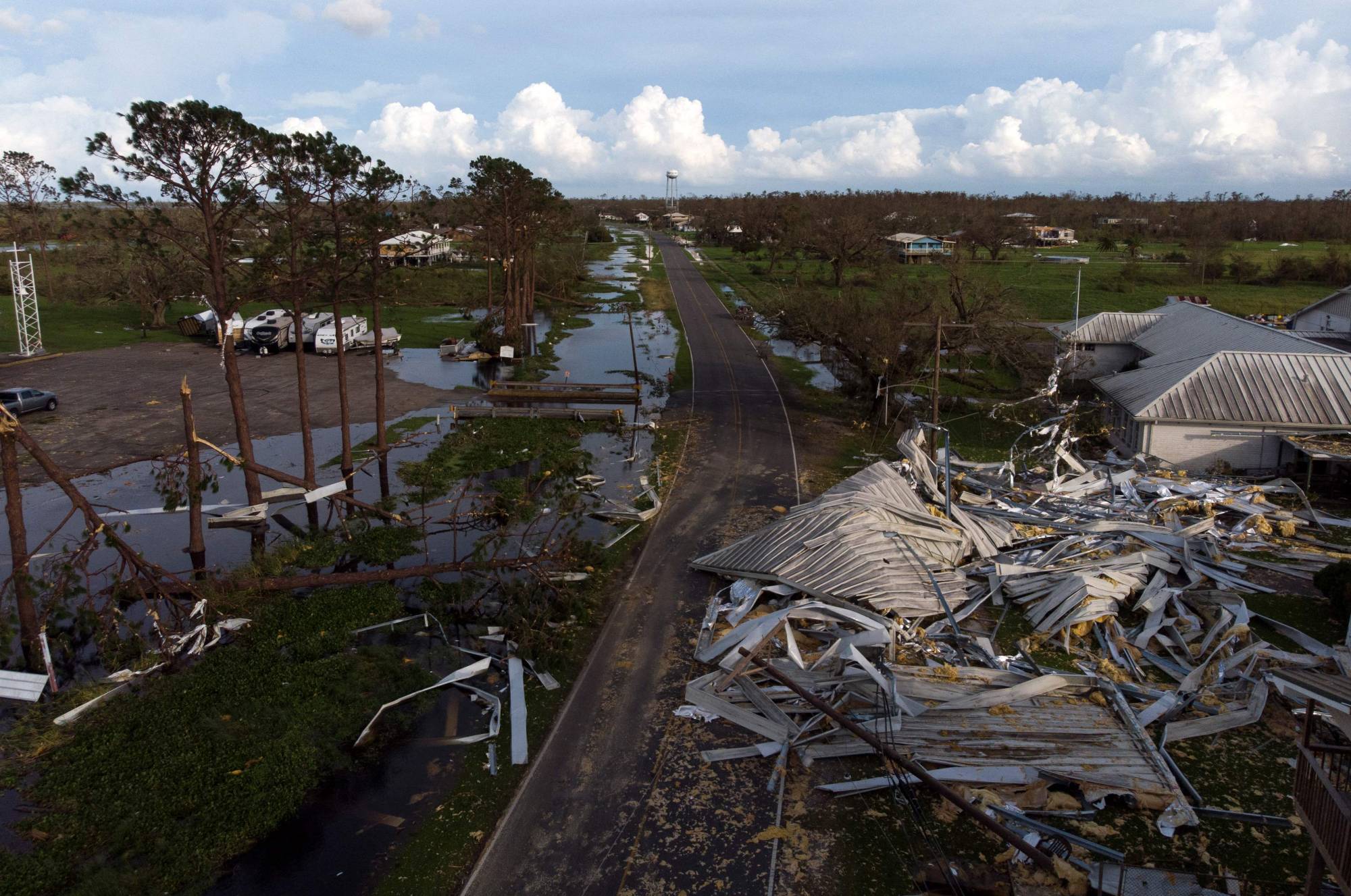
The WMO, whose report was issued days after Category 4 hurricane Ida hammered southern Louisiana, attributed the growing frequency to both climate change and improved disaster reporting.
“Thanks to our early warning service improvement we have been able to have a decrease of the casualties at these kind of events, but the bad news is that the economic losses have been growing very rapidly and this growth is supposed to continue,” WMO Secretary-General Petteri Taalas told a news conference.
KEYWORDS
In a time of both misinformation and too much information, quality journalism is more crucial than ever.
By subscribing, you can help us get the story right.
With your current subscription plan you can comment on stories. However, before writing your first comment, please create a display name in the Profile section of your subscriber account page.