


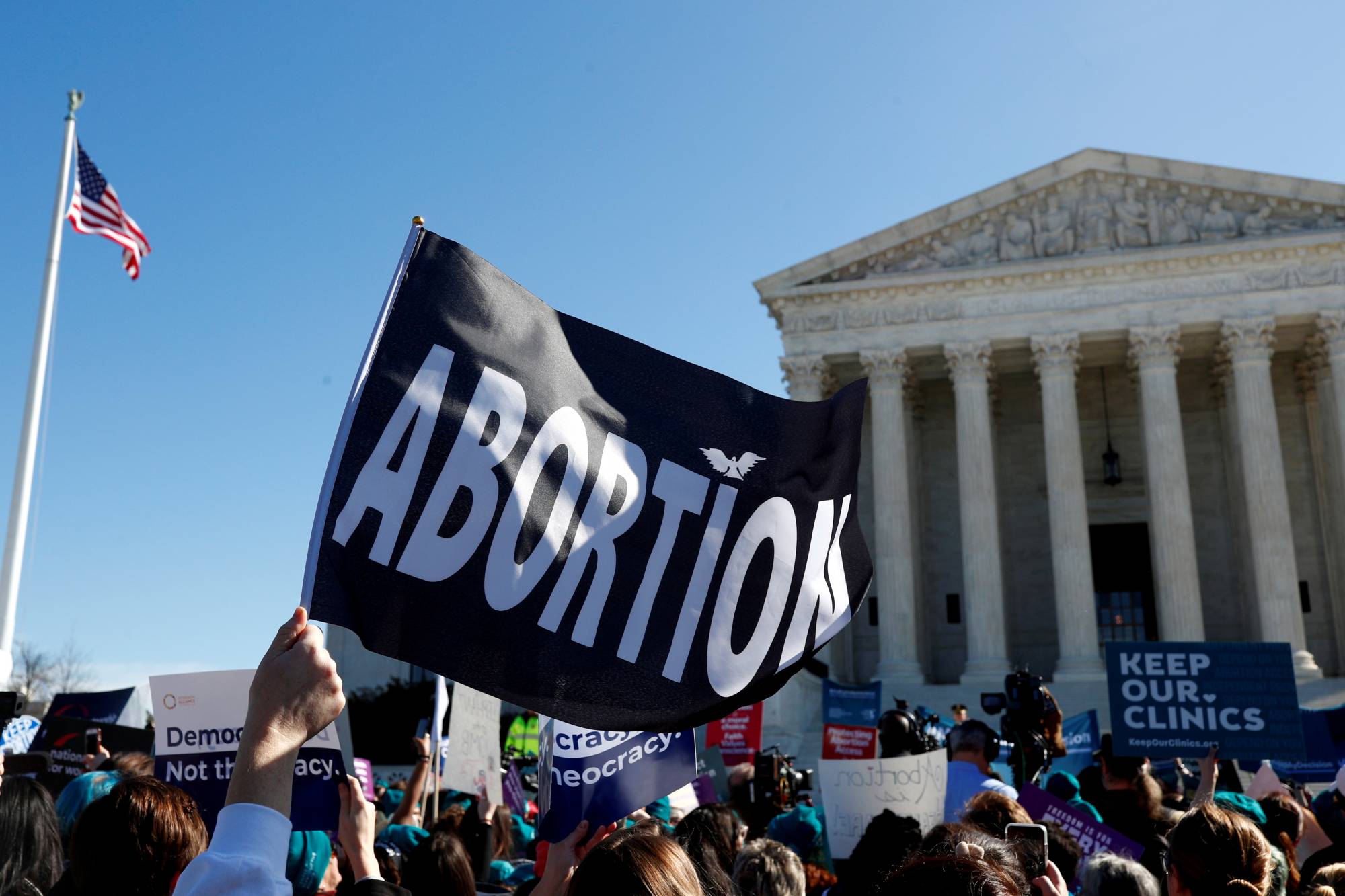
The U.S. Supreme Court majority insisted it was merely issuing a procedural order late Wednesday night when it let Texas ban most abortions after six weeks.
But with the court set to consider overturning the landmark Roe v. Wade case in the coming months, the 5-4 decision stands as an ominous sign for the fate of constitutional abortion rights.
The one-paragraph order brushed aside arguments that the law is a clear violation of the court’s long-standing precedents protecting abortion rights until much later into pregnancy. The majority included Justices Brett Kavanaugh and Amy Coney Barrett, who in other types of cases haven’t been as quick to overturn precedents as their fellow conservatives.
Some legal scholars question whether the court will explicitly overturn Roe, the 1973 ruling that legalized abortion nationwide. But few question which way the court, with its 6-3 conservative majority, is headed.
“The writing still seems to be on the wall for abortion rights,” said Mary Ziegler, a Florida State University College of Law professor who wrote a book on the history of abortion law. “It’s really a question of how, when and how clearly they are eliminated.”
KEYWORDS
In a time of both misinformation and too much information, quality journalism is more crucial than ever.
By subscribing, you can help us get the story right.
With your current subscription plan you can comment on stories. However, before writing your first comment, please create a display name in the Profile section of your subscriber account page.