


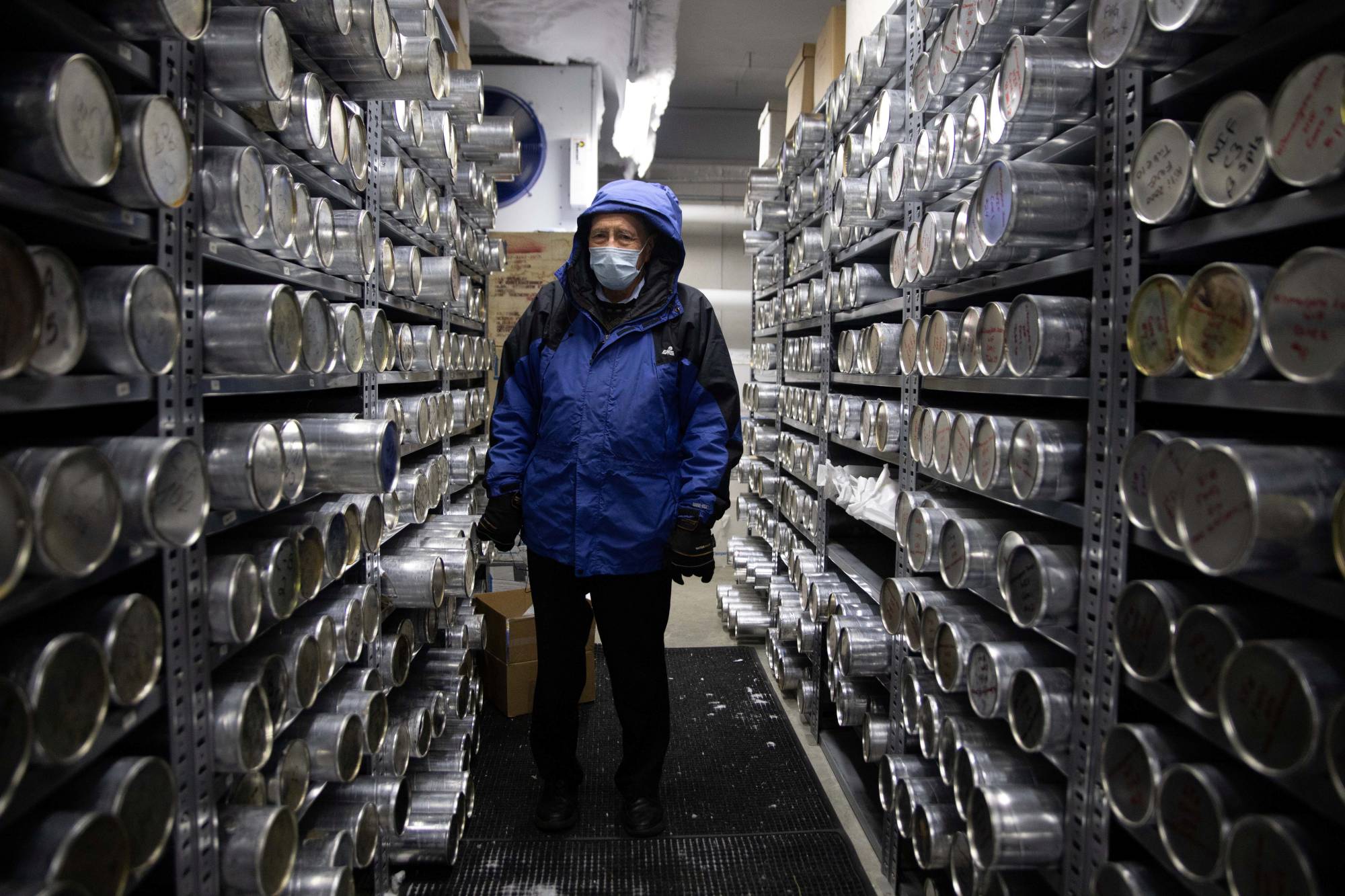
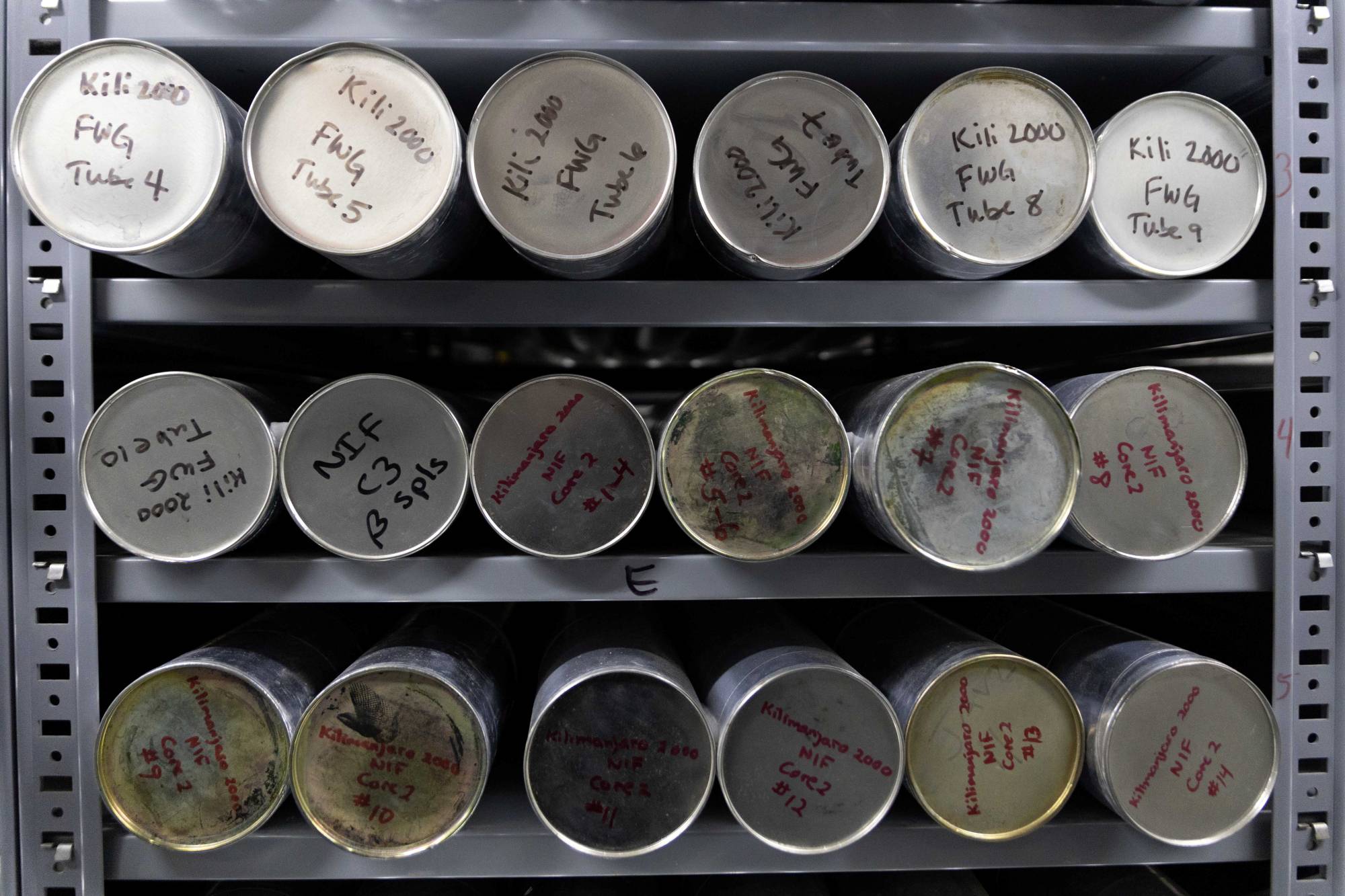
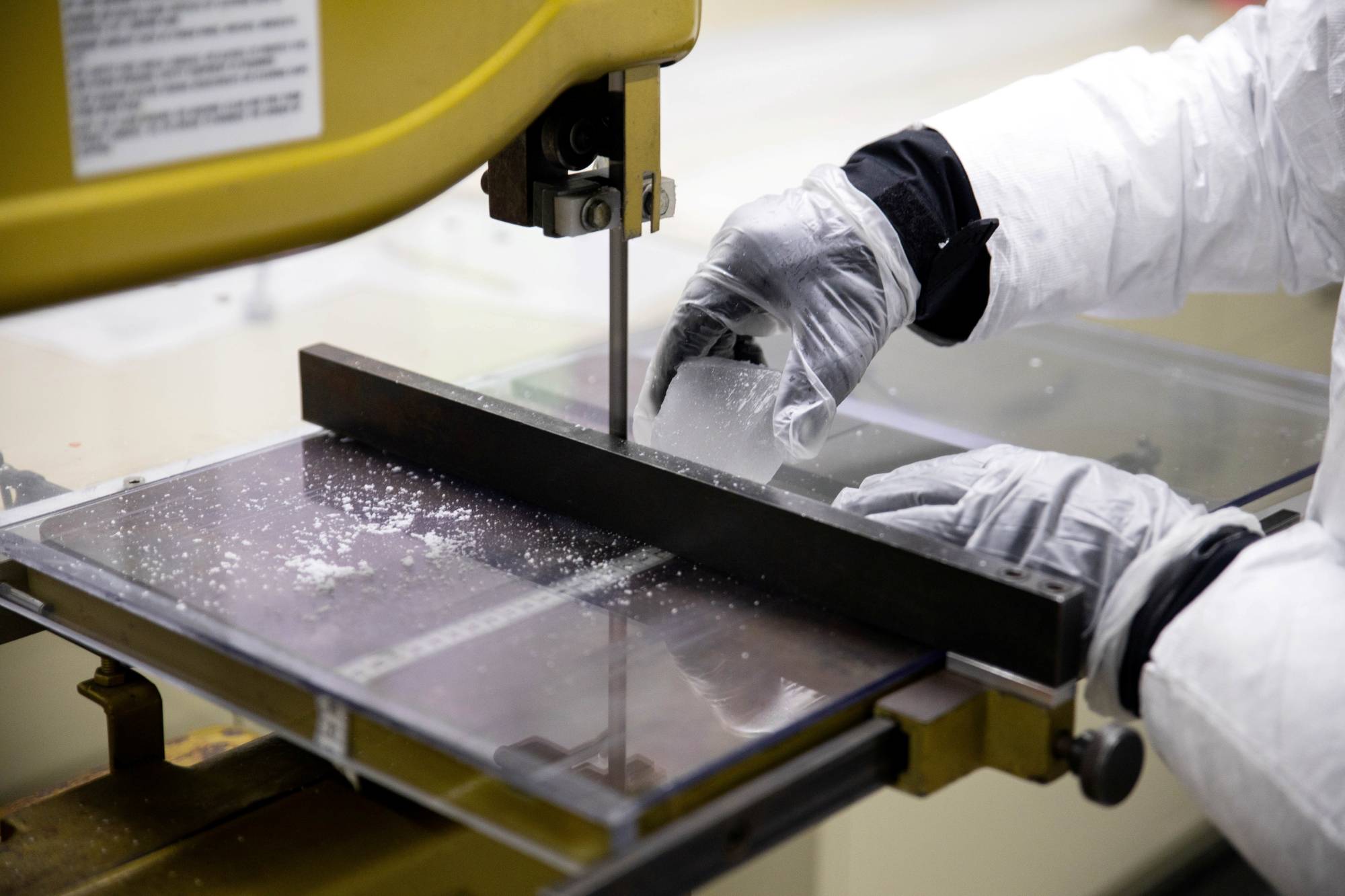
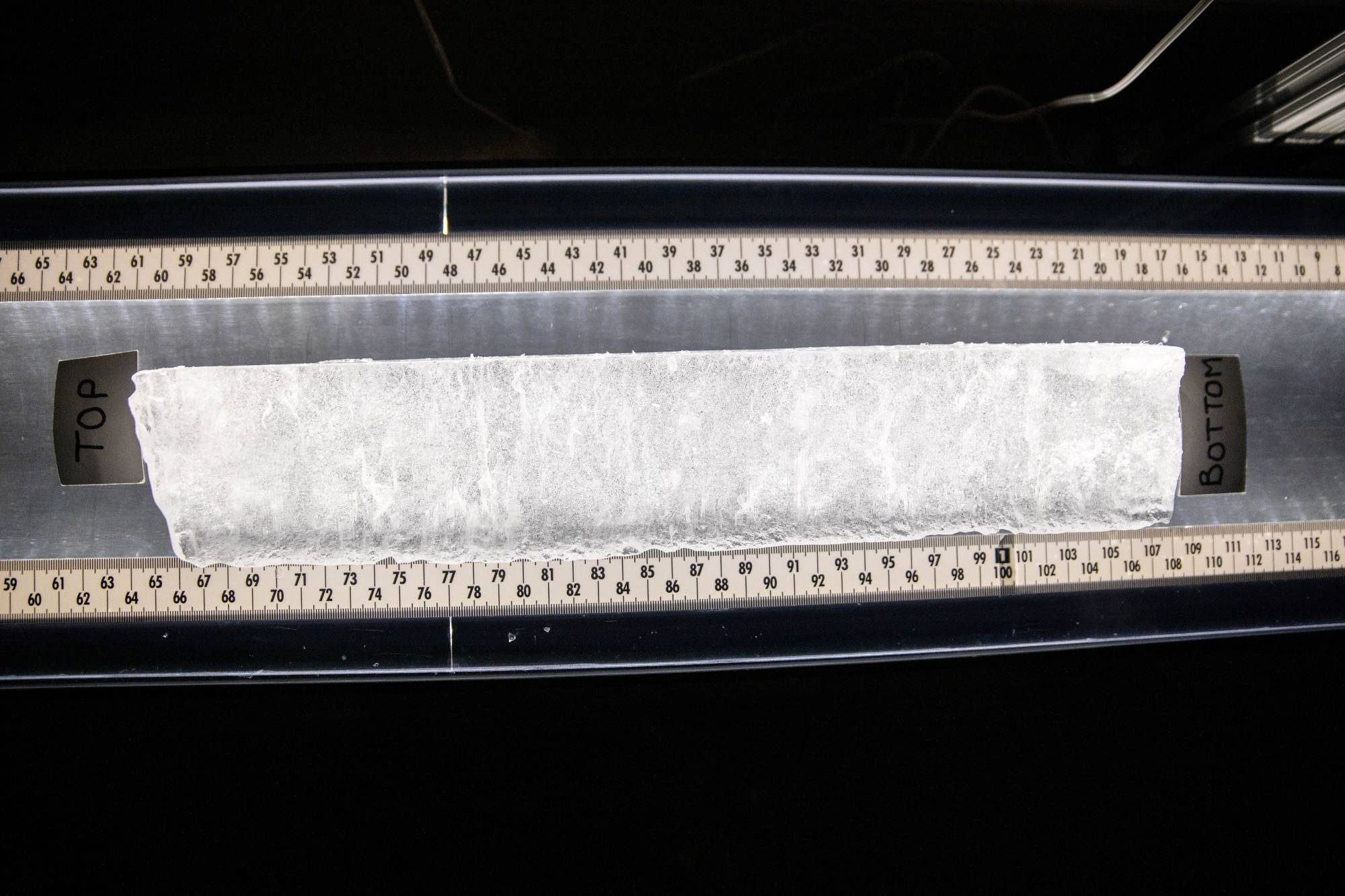
Scientists are racing to collect ice cores — along with the long-frozen records they hold of climate cycles — as global warming melts glaciers and ice sheets. Some say they are running out of time. And, in some cases, it’s already too late.
Late last year, German-born chemist Margit Schwikowski and a team of international scientists attempted to gather ice cores from the Grand Combin glacier, high on the Swiss-Italian border, for a United Nations-backed climate monitoring effort.
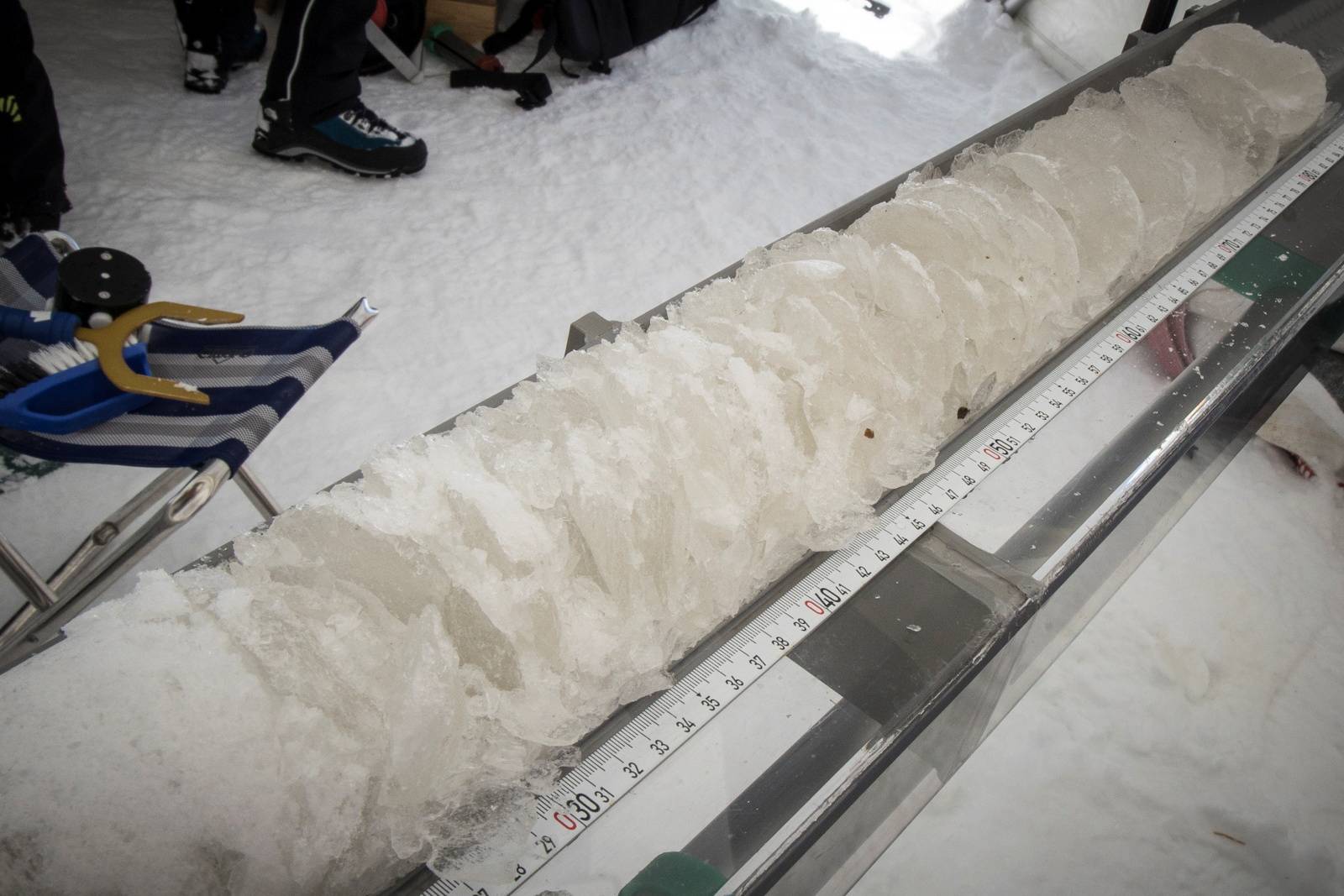
In 2018, they had scouted the site by helicopter and drilled a shallow test core. The core was in good shape, said Schwikowski: It had well-preserved atmospheric gases and chemical evidence of past climates, and ground-penetrating radar showed a deep glacier. Not all glaciers in the Alps preserve both summer and winter snowfall — if all went as planned, these cores would have been the oldest to date that did, she said.
But in the two years it took for the scientists to return with a full drilling set-up, some of the information that had been trapped in the ice had vanished. Freeze-thaw cycles had created icy layers and meltwater pools throughout the glacier — what another team member described as a water-laden sponge — rendering the core useless for basic climate science.
The sudden deterioration “tells us exactly how sensitive these glaciers are,” said Schwikowski, head of the analytical chemistry group at the Paul Scherrer Institute in Villigen, Switzerland. “We were just two years too late.”
KEYWORDS
In a time of both misinformation and too much information, quality journalism is more crucial than ever.
By subscribing, you can help us get the story right.
With your current subscription plan you can comment on stories. However, before writing your first comment, please create a display name in the Profile section of your subscriber account page.