


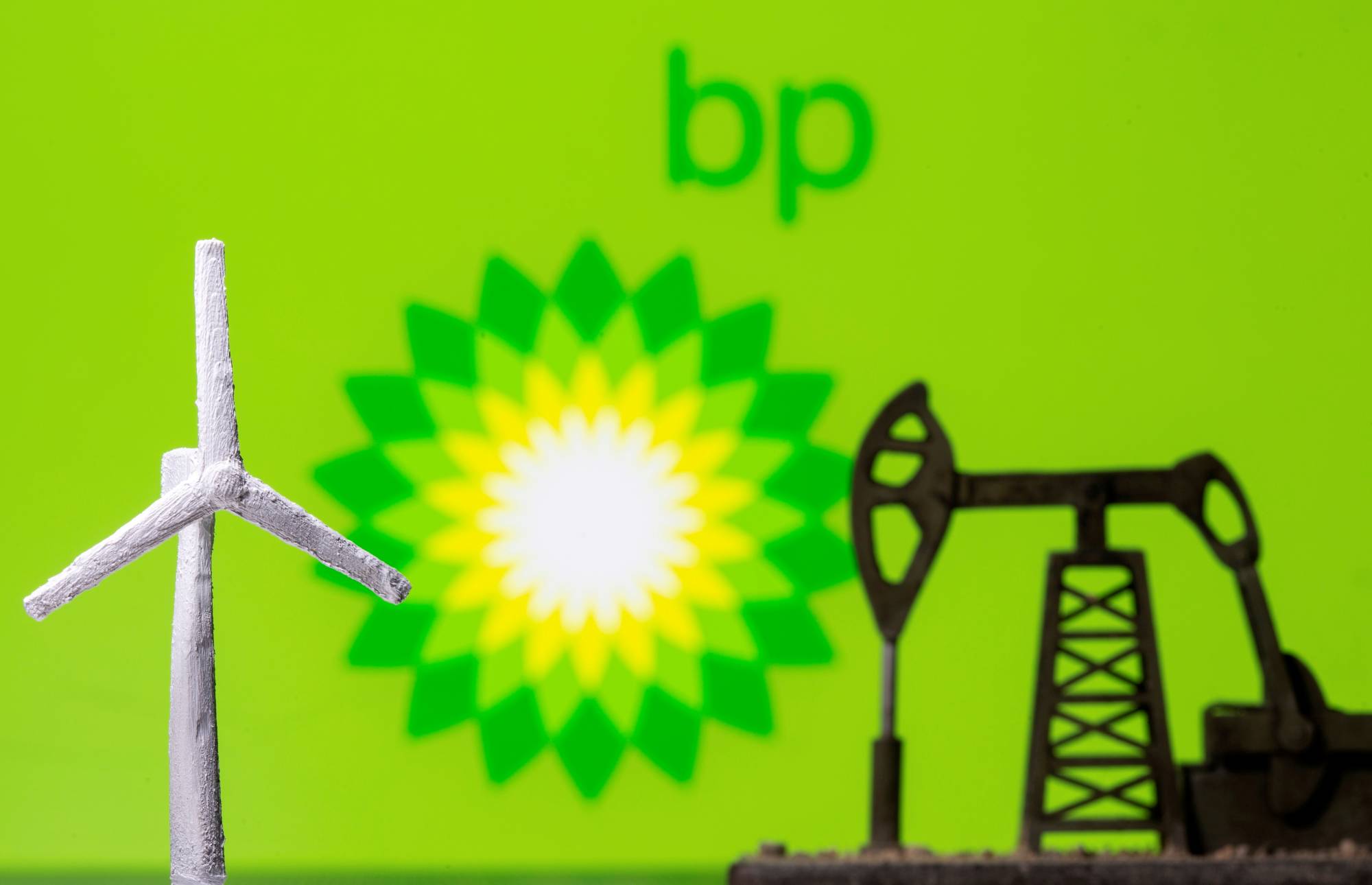
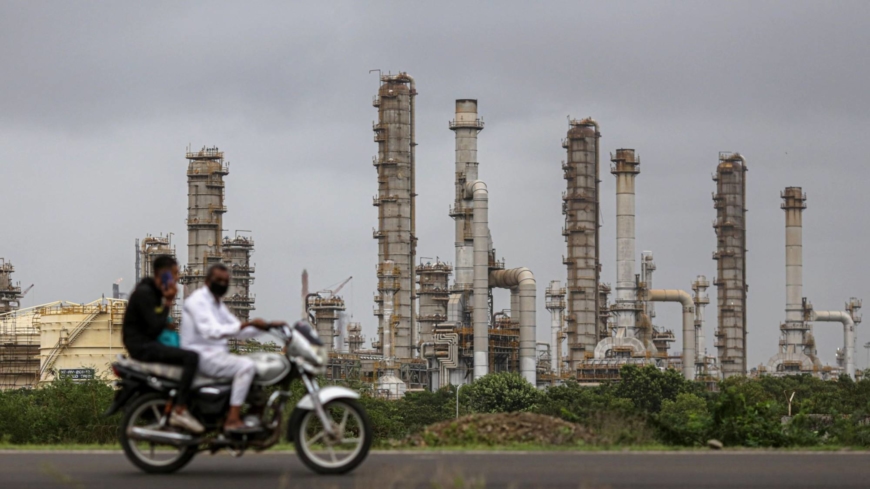
LONDON – Deep in the Oman desert lies one of BP’s more lucrative projects, a mass of steel pipes and cooling towers that showcases the British energy giant’s pioneering natural gas extraction technology.
The facility earned BP PLC more than $650 million in profits in 2019, according to financial filings. Yet the oil major agreed to sell a third of its majority stake in the project earlier this year. The deal exemplifies a larger strategy to liquidate fossil-fuel assets to raise cash for investments in renewable energy projects that BP concedes won’t make money for years.
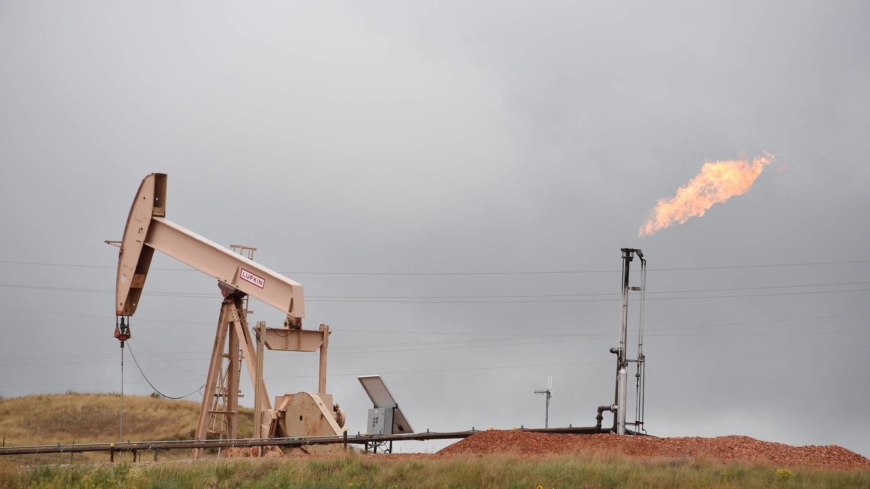
BP’s big bet is emblematic of the hard choices confronting Big Oil. All oil majors face mounting pressure from regulators and investors worldwide to develop cleaner energy and divest from fossil fuels, a primary source of greenhouse-gas emissions that cause global warming. That scrutiny has increased since early August, when the United Nations panel on climate change warned in a landmark report that rising temperatures could soon spiral out of control.
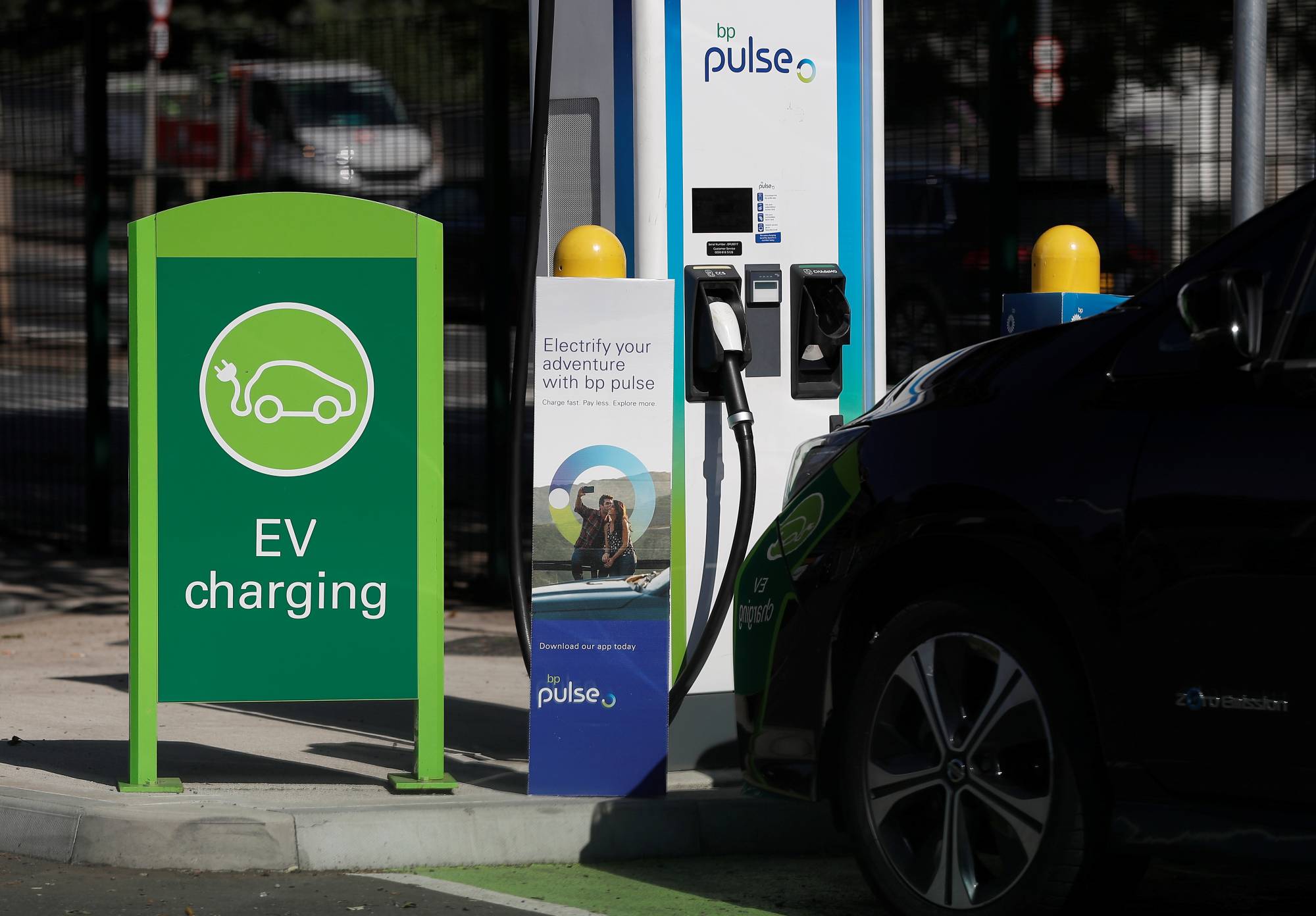
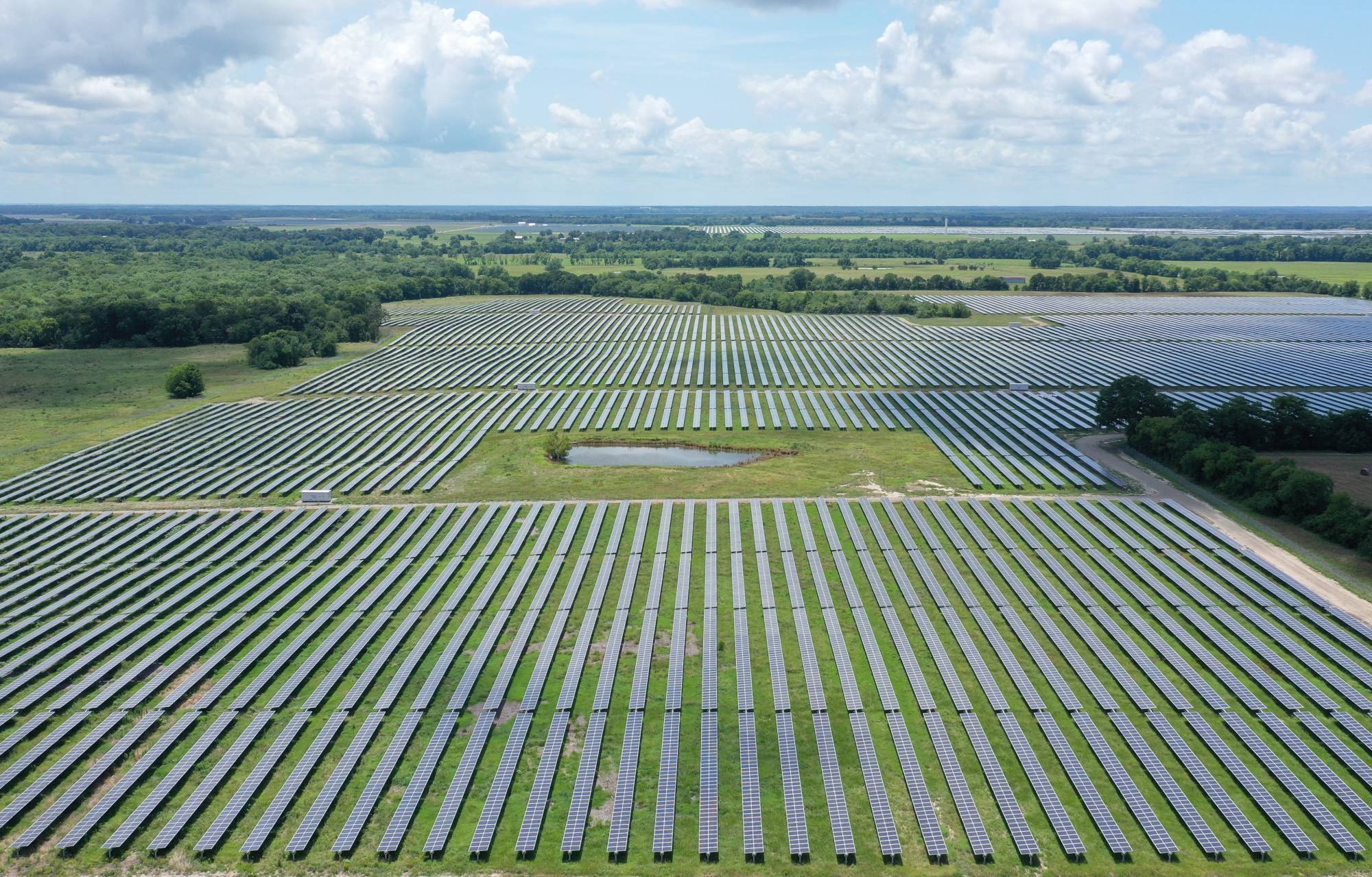
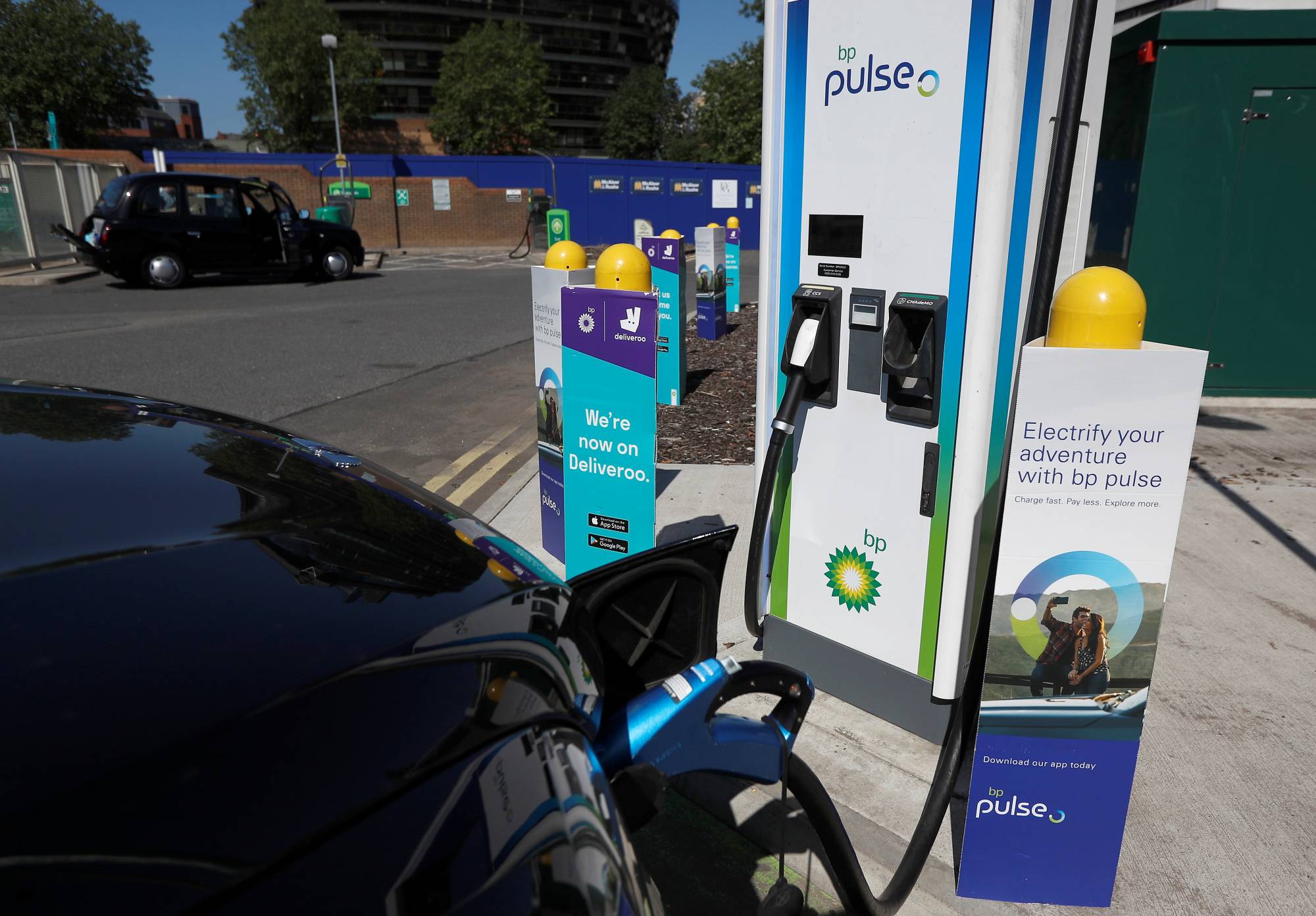
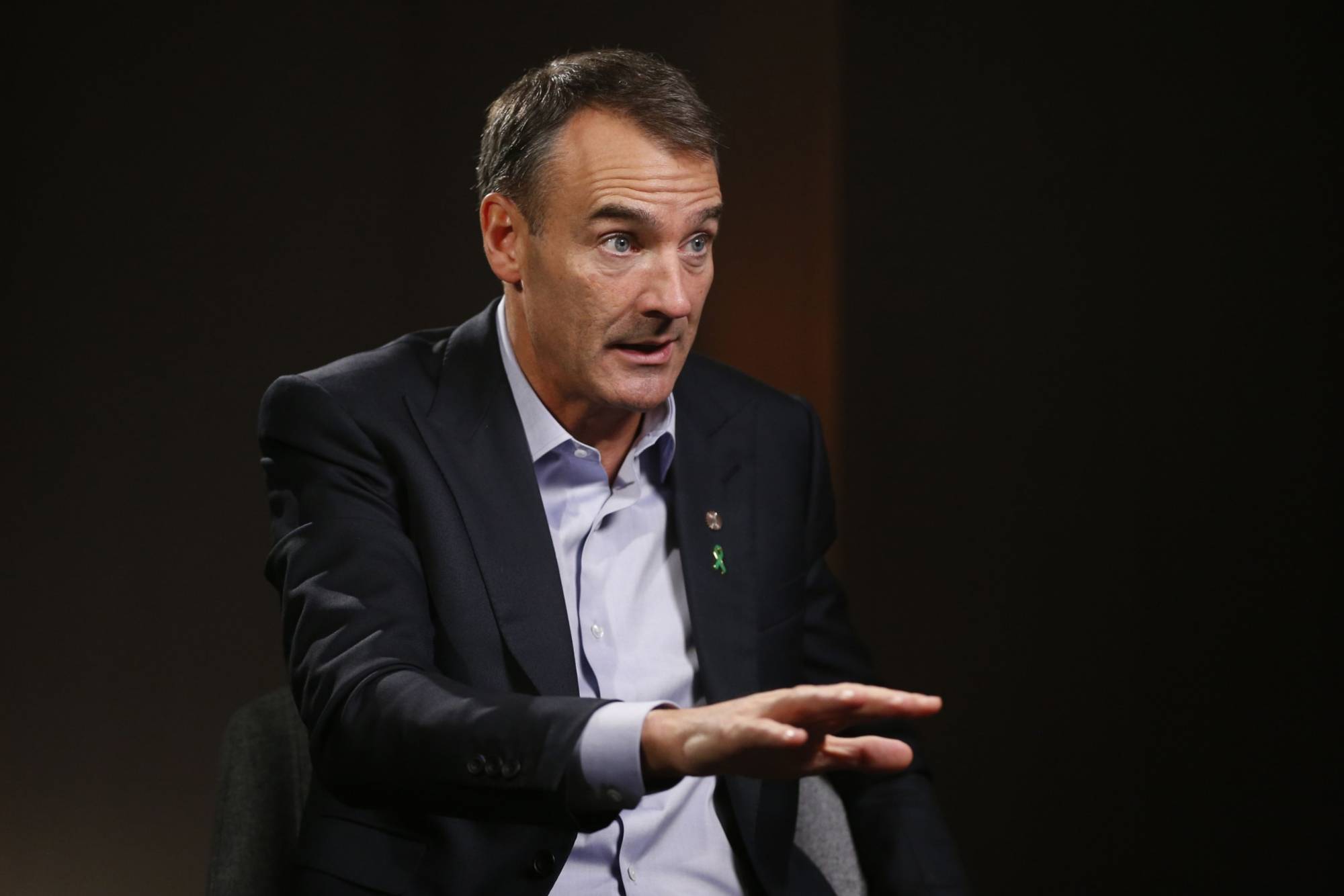
BP Chief Executive Bernard Looney, who took over in February 2020, is gambling that BP can make the clean energy transition much faster than its peers. Last year, he became the first major oil CEO to announce that he would purposely cut future production. He aims to slash BP’s output by 40%, or about 1 million barrels per day, an amount equal to the U.K.’s entire daily output in 2019. At the same time, BP would boost its capacity to generate electricity from renewable sources to 50 gigawatts, a twentyfold increase and equivalent to the power produced by 50 U.S. nuclear plants.
To hit those targets, Looney plans $25 billion in fossil fuel asset sales by 2025. That’s equivalent to about 13% of the company’s total fixed assets at the end of 2019. Under his watch, BP has already sold legacy projects worth about $15 billion. In addition to the Oman deal, Looney unloaded oil and gas fields in Alaska and the North Sea and sold off BP’s entire petrochemical operation, which produced a $402 million profit in 2019.
KEYWORDS
In a time of both misinformation and too much information, quality journalism is more crucial than ever.
By subscribing, you can help us get the story right.
With your current subscription plan you can comment on stories. However, before writing your first comment, please create a display name in the Profile section of your subscriber account page.