


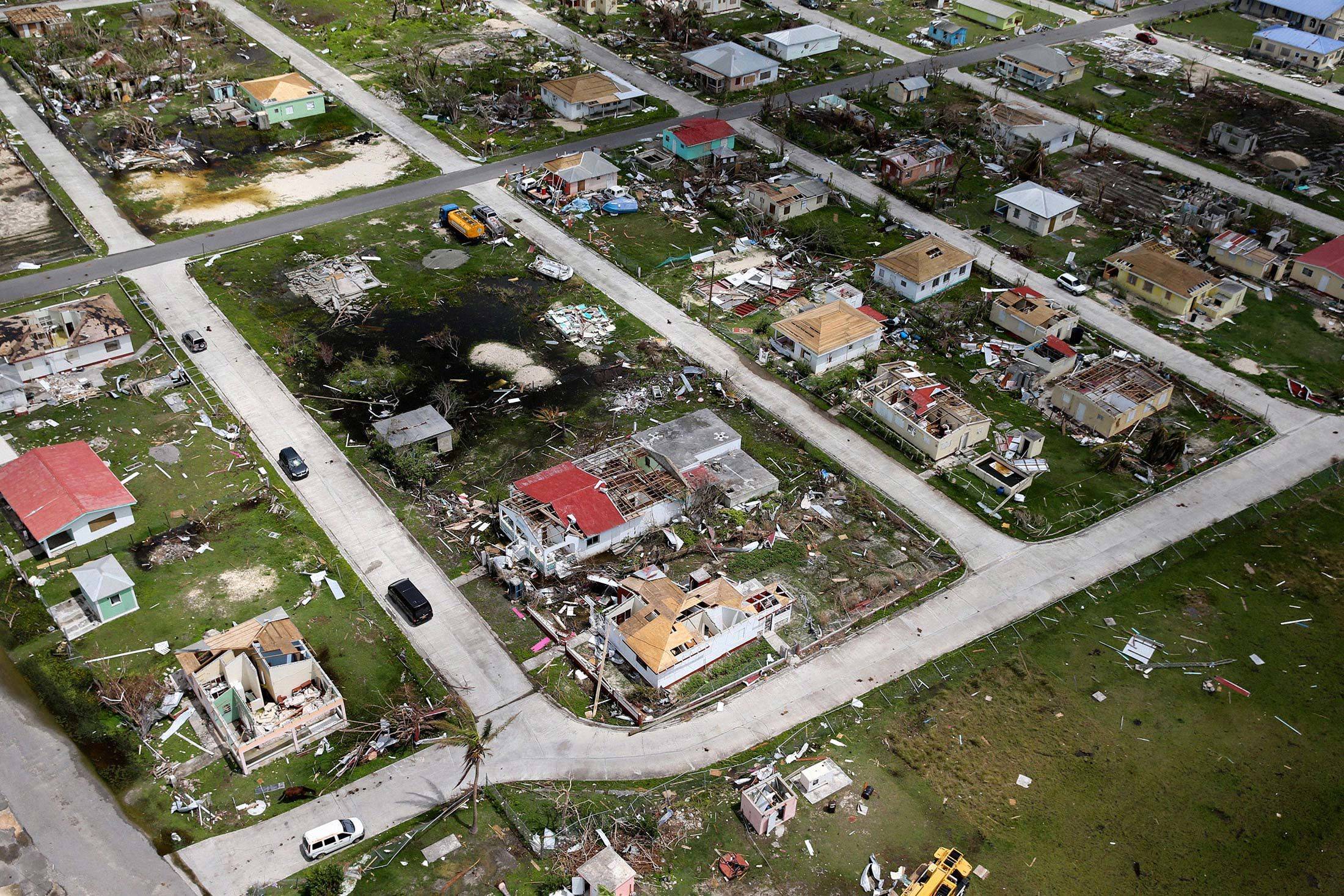
The aftermath of Hurricane Irma has left deep scars in the tiny island nations that were in the path of the Category 5 storm just before it slammed into Florida.
The toll in Antigua and Barbuda added up to more than $220 million, according to one assessment backed by the United Nations — more than a quarter of the annual tax revenue collected for 2017. The island of Barbuda lost nearly half of its houses. And the island has nothing like the economic might of the U.S. to alleviate the damage.
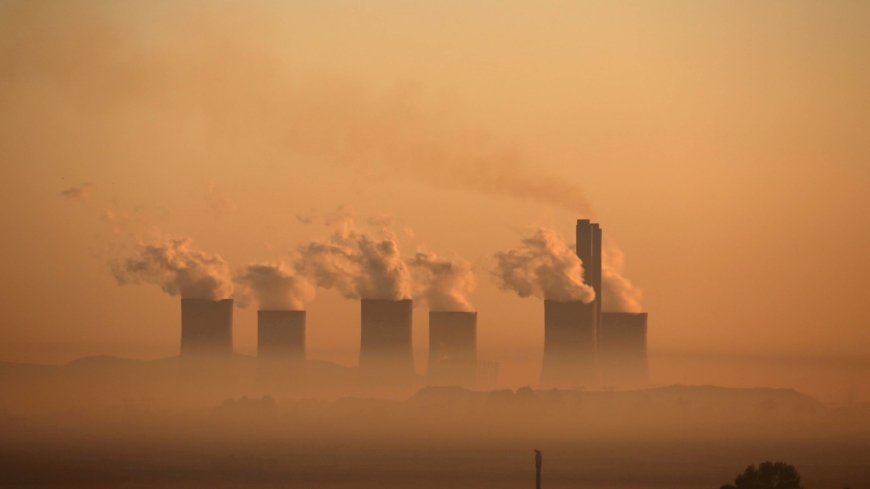
Scientists have sharpened their analytical tools in the four years since Irma and now are able to quickly establish direct links between extreme weather and warming temperatures. If they did a study that attributed the supercharged storm’s power to climate change, who should pay the bill? Antigua and Barbuda, with fewer than 100,000 citizens, has contributed a minuscule portion of the greenhouse gases that are heating the planet. Yet developing nations often bear the brunt of climate impact.
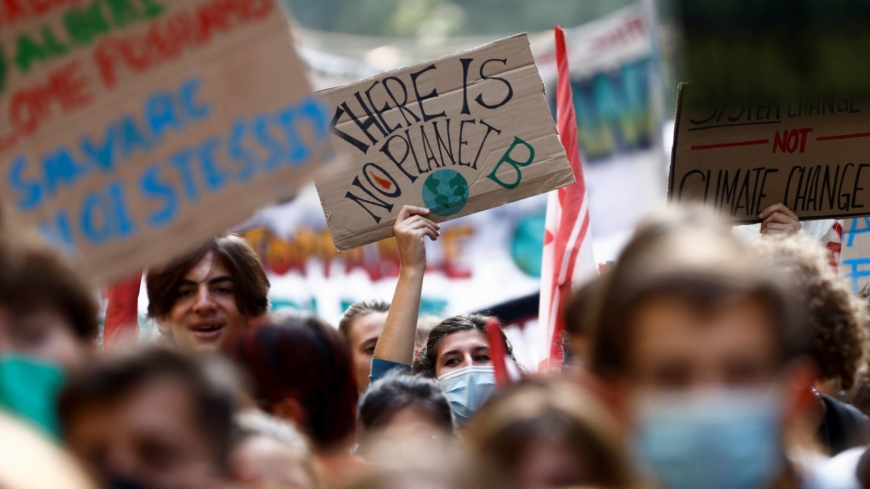
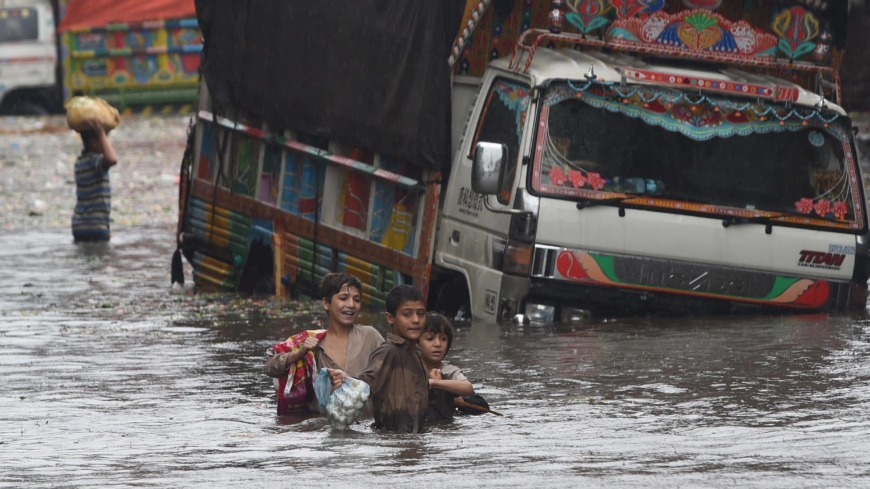
That’s why activists are pushing the world leaders gathering for COP26 talks in Glasgow, Scotland, to prioritize what climate diplomats call “loss and damage.” It’s a polite way to describe the difficult process of getting rich nations, with responsibility for the vast majority of historic carbon emissions, to compensate poorer countries wrecked by storms, floods, droughts and fires.
The landmark 2015 Paris Agreement left unanswered questions around liability and redress, says Simon Addison, principal researcher at the International Institute for Environment and Development. “There’s a massive financial hole that needs to be filled but no one who’s stepping up to do that.”
KEYWORDS
In a time of both misinformation and too much information, quality journalism is more crucial than ever.
By subscribing, you can help us get the story right.
With your current subscription plan you can comment on stories. However, before writing your first comment, please create a display name in the Profile section of your subscriber account page.