


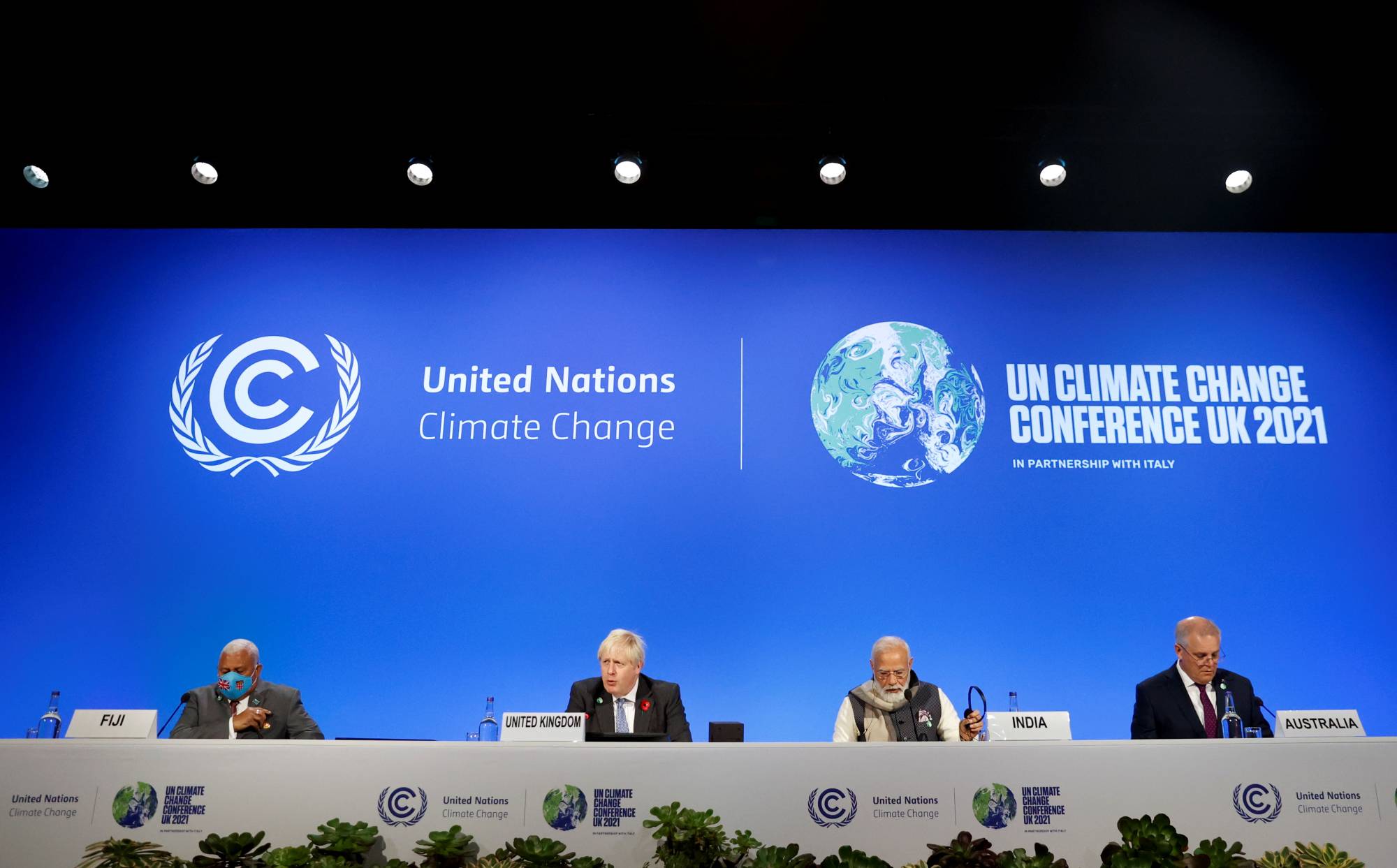
As leaders at the United Nations climate summit in Glasgow, Scotland, thrash out how to rein in catastrophic levels of global warming, one of the most important deals is taking place on the sidelines.
The Global Methane Pledge — a collective commitment to cut emissions of the potent greenhouse gas 30% by 2030 — is signed by more than 80 countries so far, representing more than two-thirds of the global economy. It’s perhaps the biggest single thing governments can do to keep alive the goal of limiting global warming to 1.5 degrees Celsius above pre-industrial levels.
Methane traps more than 80 times the heat that the same amount of carbon dioxide does in its first two decades in the atmosphere. But it degrades rapidly, meaning that action taken now can have an almost-immediate cooling effect on the Earth’s temperature.
The pledge, put forward by the U.S. and the European Union, targets a 30% reduction relative to 2020 levels. U.S. President Joe Biden is expected to mention the pledge Monday when he speaks before other heads of state at the COP26 summit. Fulfilling that goal could shave 0.2 C off global warming by midcentury. That may sound small, but it could make a huge difference in the severity and frequency of extreme weather events.
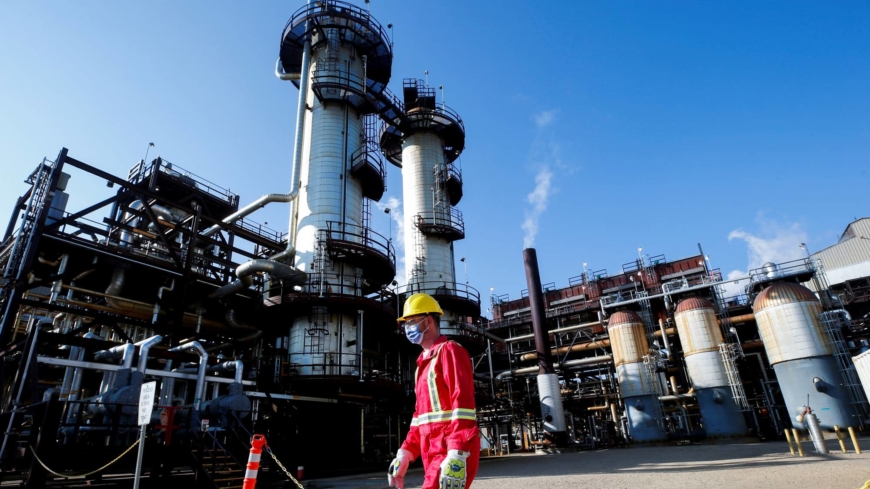
Methane, according to the Intergovernmental Panel on Climate Change (IPCC), accounts for about a quarter of all the heat trapped in the atmosphere since the pre-industrial era. That makes reducing its emission an essential component of energy sector decarbonization.
KEYWORDS
In a time of both misinformation and too much information, quality journalism is more crucial than ever.
By subscribing, you can help us get the story right.
With your current subscription plan you can comment on stories. However, before writing your first comment, please create a display name in the Profile section of your subscriber account page.