


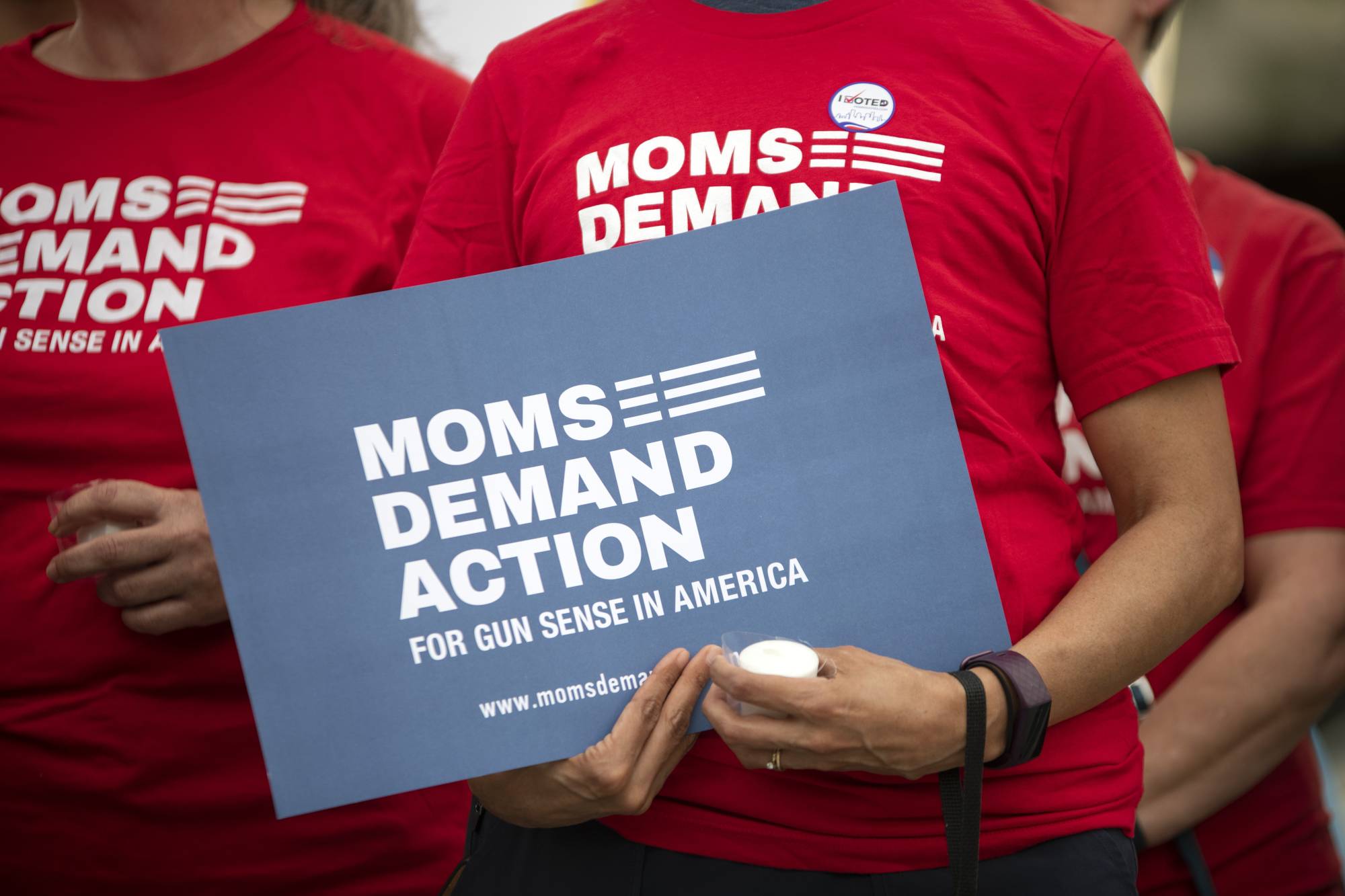
The world over, mass shootings are frequently met with a common response: Officials impose new restrictions on gun ownership. Mass shootings become rarer. Homicides and suicides tend to decrease, too.
After a British gunman killed 16 people in 1987, the country banned semi-automatic weapons like those he had used. It did the same with most handguns after a 1996 school shooting. It now has one of the lowest gun-related death rates in the developed world.
In Australia, a 1996 massacre prompted mandatory gun buybacks that saw, according to some estimates, as many as 1 million firearms melted into slag. The rate of mass shootings plummeted from once every 18 months to, so far, only one in the 26 years since.
Canada also tightened gun laws after a 1989 mass shooting. So did Germany in 2002, New Zealand in 2019 and Norway last year.
Only the United States, whose rate and severity of mass shootings is without parallel outside of conflict zones, has so consistently refused to answer those events with tightened gun laws.
KEYWORDS


In a time of both misinformation and too much information, quality journalism is more crucial than ever.
By subscribing, you can help us get the story right.
With your current subscription plan you can comment on stories. However, before writing your first comment, please create a display name in the Profile section of your subscriber account page.